As Detroit enters a new phase of its economic and cultural evolution, the criteria for choosing where to live in the city are shifting rapidly. For decades, the narrative of Detroit real estate focused heavily on the revitalization of Downtown and Midtown. However, emerging data and community trends in late 2024 and heading into 2025 suggest a broader migration into the city’s diverse residential pockets. Prospective homebuyers and renters are increasingly looking beyond the central business district, driving demand in historic areas and newly stabilized corridors.
Finding the best neighborhoods in Detroit is no longer just about proximity to the QLine or the central business district; it is about accessing community hubs, green spaces, and corridors supported by the Strategic Neighborhood Fund. As the city continues to invest in infrastructure outside the urban core, the map of desirable living in Detroit is being redrawn, offering a complex mix of historic preservation and modern development.
The Shift to Neighborhood-Centric Living
Recent housing market analyses indicate a stabilization in areas that were previously considered transition zones. According to reports from the City of Detroit’s Planning and Development Department, investment has successfully catalyzed growth in areas like the Livernois-McNichols corridor and Southwest Detroit. This shift represents a maturation of the local market, where long-term livability is prioritized over short-term speculation.
“We are seeing a distinct change in what new residents are asking for,” said local real estate analyst Sarah Jenkins during a recent housing forum. “Five years ago, the conversation was almost exclusively about lofts in Midtown. Today, families and young professionals are asking about single-family homes in the University District, walkability in West Village, and the arts scene in the North End.”
This trend aligns with data from Detroit Future City, a local think tank, which has tracked the reduction of vacancy rates in middle-market neighborhoods. The stabilization of these areas provides more viable options for those seeking the best neighborhoods in Detroit without the premium price tag associated with Downtown high-rises.
Key Neighborhood Profiles and Trends
Corktown: The Ford Effect
Historically Detroit’s oldest neighborhood, Corktown has seen a dramatic surge in valuation following Ford Motor Company’s restoration of Michigan Central Station. The reopening of the station has transformed the area from a quiet historic district into a bustling tech and mobility hub. While this has raised concerns about affordability, it has also brought significant infrastructure improvements, including new parks and better street lighting.
For residents, Corktown offers a blend of Victorian charm and modern amenities, anchored by some of the city’s most renowned restaurants along Michigan Avenue. However, inventory remains tight, making it a competitive market for newcomers.
The University District and Palmer Woods
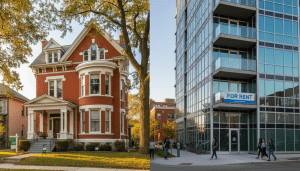
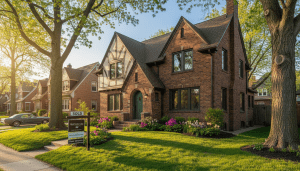
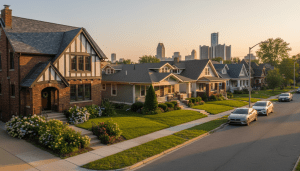
For those prioritizing architectural grandeur and stability, the neighborhoods flanking the Detroit Golf Club and Palmer Park remain top contenders. The University District and Palmer Woods have maintained high property values and strong community associations for decades. These areas are characterized by large brick homes, mature tree canopies, and active block clubs that enforce strict maintenance standards.
Recent data suggests that these neighborhoods are attracting a new wave of professionals working in the city’s growing healthcare and education sectors, drawn by the substantial square footage relative to suburban counterparts.
West Village and Islandview
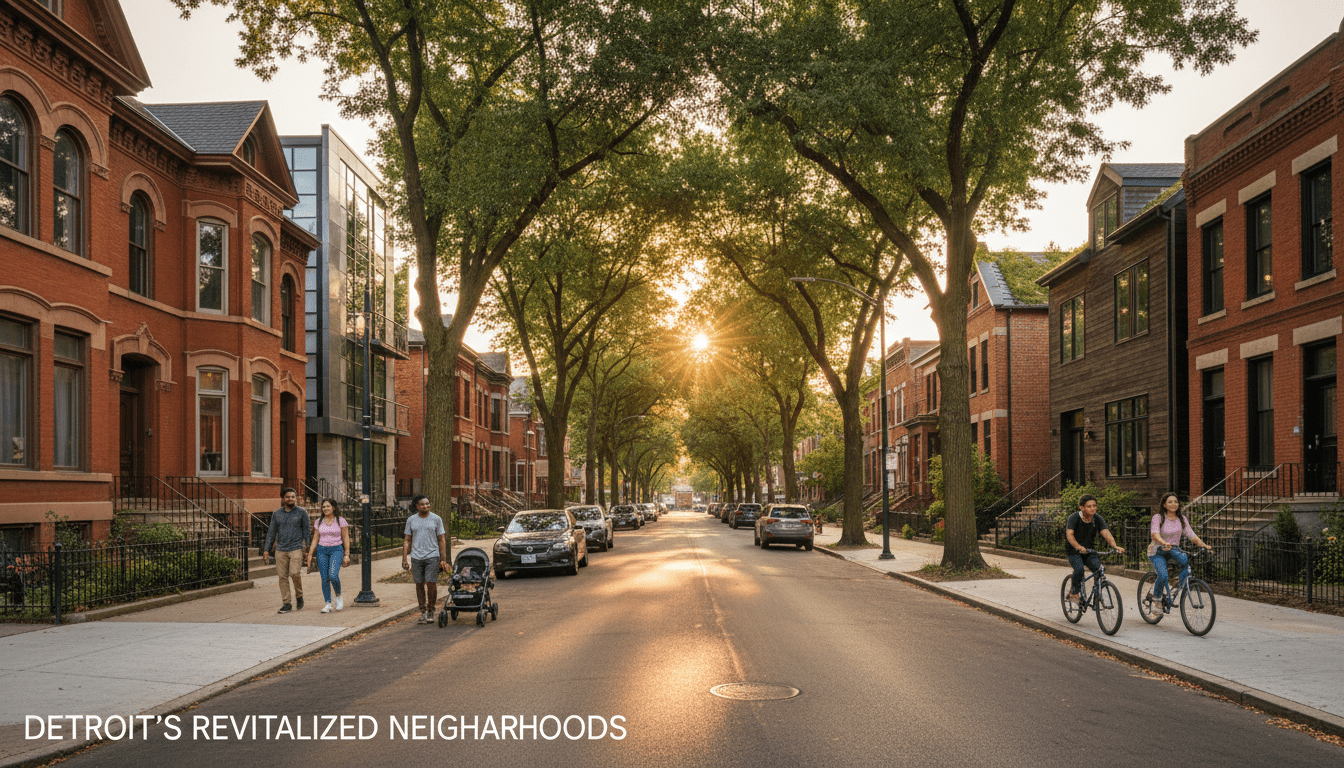
Located near Belle Isle, the West Village has become a model for “missing middle” housing and walkable urbanism. With a mix of apartment buildings and single-family homes, this area attracts a diverse demographic of artists, young families, and long-time Detroiters. The proximity to the Detroit Riverfront, recently named the best riverwalk in America by USA Today, adds significant value to the lifestyle here.
Investment in the adjacent Islandview neighborhood is also picking up, driven by spillover demand and the city’s focus on inclusive economic development in the Detroit neighborhoods bordering the river.
Impact on Detroit Residents
The rising profile of these neighborhoods brings both opportunities and challenges for local residents. On one hand, increased property values contribute to generational wealth for long-time homeowners. On the other, the risk of displacement remains a critical issue. The City of Detroit has implemented several programs, such as the hope for homeownership initiatives and property tax exemptions for legacy residents, to mitigate these risks.
Community groups emphasize that identifying the best neighborhoods in Detroit is subjective and must factor in the preservation of existing culture. “A good neighborhood isn’t just about rising home values,” explains Marcus Davis, a community organizer in the Jefferson Chalmers area. “It’s about neighbors who know each other, small businesses that survive, and keeping the history of the block alive while welcoming new energy.”
For current residents, the influx of investment often means better services—trash pickup, street plowing, and park maintenance—but it necessitates vigilance to ensure that development benefits the existing community rather than replacing it.
Data and Affordability Context
According to recent figures from the U.S. Census Bureau and local real estate aggregators, the median home price in Detroit has seen a steady year-over-year increase, yet remains significantly lower than national averages. However, the disparity between turnkey properties and those requiring major renovation is stark.
- Midtown/Downtown: High price per square foot, largely condo/apartment living.
- University District: Higher price point, high stability, single-family homes.
- Bagley/Fitzgerald: Moderate price point, high potential for growth, subject of intense city revitalization efforts.
The Detroit real estate market is currently defined by this stratification. Buyers willing to invest sweat equity can still find bargains in neighborhoods like Fitzgerald, where the city has focused on rehabbing vacant homes and creating greenways.
What Happens Next
Looking ahead to 2025, the focus of development is expected to widen further. The completion of the Gordie Howe International Bridge may spur interest in Southwest Detroit, while the continued rollout of the Joe Louis Greenway will likely boost property values in the neighborhoods it connects, creating a loop of desirable real estate based on non-motorized connectivity.
Ultimately, choosing where to live in Detroit today requires navigating a landscape of rapid change. The definition of the “best” areas is expanding to include neighborhoods that offer community resilience, access to new green infrastructure, and a balance between historic character and modern livability.