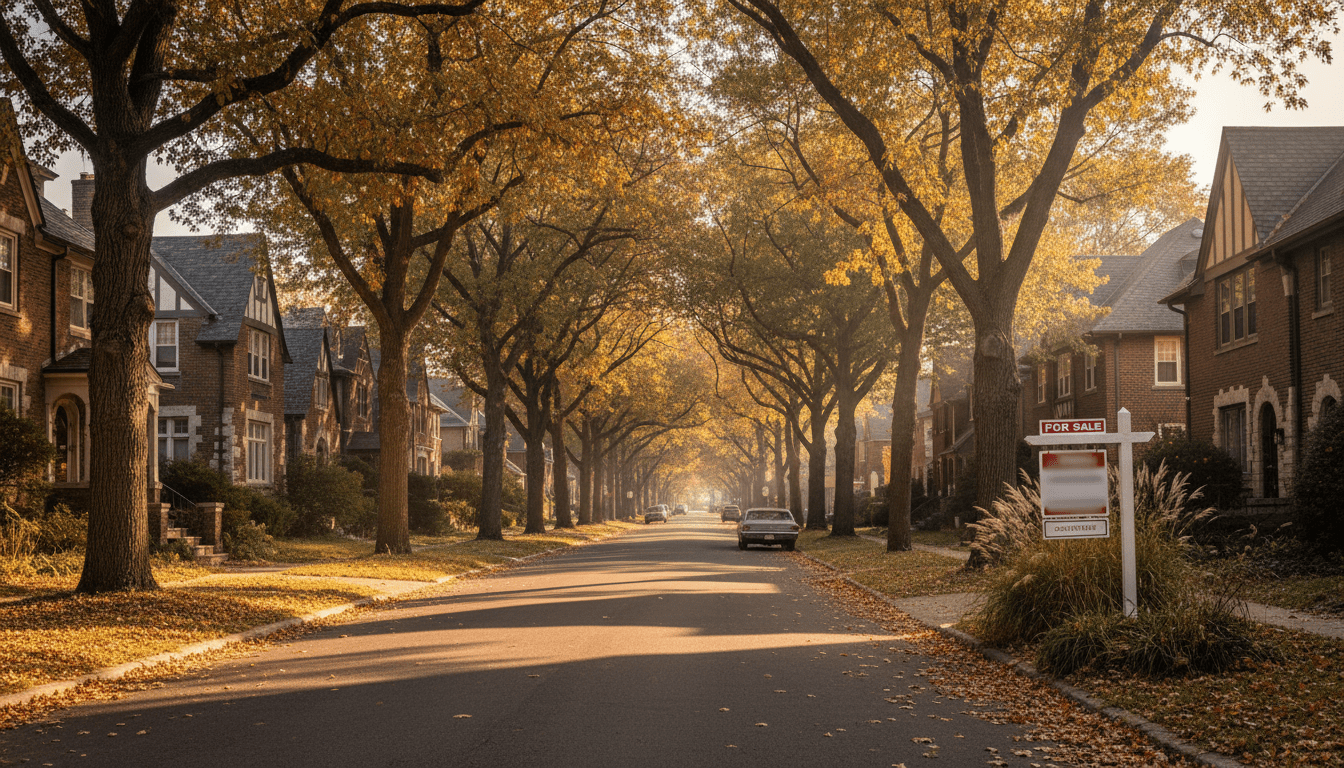
As Detroit’s real estate landscape continues to evolve beyond the rapid development of the Greater Downtown area, market data suggests a significant shift in homebuyer interest toward established and stabilizing residential pockets. For prospective homeowners and investors alike, identifying the best neighborhoods to buy in Detroit has become a conversation less about speculation and more about long-term community stability, infrastructure improvements, and access to amenities.
While interest rates remain a hurdle nationally, Detroit’s market has shown resilience, driven by relative affordability compared to coastal markets and a concerted effort by municipal leaders to bolster neighborhood equity. According to recent data from the City of Detroit’s Housing and Revitalization Department, home values in several neighborhoods have seen double-digit percentage increases over the last two years, signaling a maturation of the market that extends well beyond the Woodward corridor.
Analyzing the Best Neighborhoods to Buy in Detroit for Value
Real estate analysts and local housing advocates point to specific quadrants of the city where the intersection of housing stock quality and community investment is creating viable opportunities for buyers. The focus has moved toward areas benefiting from the Strategic Neighborhood Fund (SNF) and those adjacent to major commercial corridor revitalizations.
The Northwest Corridor: Bagley and Green Acres
The Bagley neighborhood and surrounding areas, including Green Acres and the University District, remain top performers in terms of value retention. Real estate data indicates that Bagley, in particular, has become a destination for middle-income buyers seeking historic brick homes without the premium price tags of Palmer Woods.
“The demand we are seeing in Northwest Detroit is driven by the ‘Live6’ corridor investment and the stability of the housing stock,” noted a representative from a local community development organization during a recent housing forum. “Buyers are looking for walkability and community density, which these neighborhoods provide.”
For more on city-wide development initiatives, read our coverage on Strategic Neighborhood Fund updates affecting local infrastructure.
The East Side: East English Village and Morningside
On the city’s east side, East English Village continues to be cited as one of the best neighborhoods to buy in Detroit for those seeking architectural character and strong neighborhood associations. Adjacent to the Grosse Pointes, this area has maintained consistent property values.
Furthermore, the adjacent neighborhood of Morningside is drawing attention as an emerging market. With Detroit Future City reporting on the necessity of middle-class housing stabilization, Morningside is frequently highlighted as an area where the cost of entry is lower, yet the potential for equity growth is significant due to spillover demand from East English Village.
Impact on Detroit Residents
The rising interest in these neighborhoods brings complex implications for long-time Detroiters. As property assessments rise, the concern for legacy residents—particularly those on fixed incomes—revolves around property tax increases. The City of Detroit has implemented several programs, such as the Hope to Home program and various property tax exemptions (Poverty Tax Exemption – PTE), to mitigate displacement risks.
Local housing advocates argue that identifying the best neighborhoods to buy in Detroit must be paired with policies that protect existing homeowners. Increased homeownership rates in these areas generally lead to better-funded schools and improved city services, but the transition requires careful management to prevent gentrification-induced displacement. For prospective buyers, purchasing in these areas often involves navigating Neighborhood Enterprise Zones (NEZ), which offer tax abatements that incentivize renovation and occupancy.
“It is crucial that development benefits the people who stayed,” stated a spokesperson for the Detroit Housing Network. “When we talk about ‘hot’ neighborhoods, we are really talking about communities that have been anchored by long-term residents for decades.”
Market Data and Housing Trends
Data from the Southeast Michigan Council of Governments (SEMCOG) and local MLS listings show that inventory remains tight in the city’s most desirable zip codes. The days-on-market metrics for turnkey homes in areas like Rosedale Park and the aforementioned Bagley have decreased, indicating competitive bidding environments.
Conversely, the inventory of distressed properties in these stable neighborhoods has shrunk significantly. The Detroit Land Bank Authority’s inventory in these high-demand zones is largely depleted, meaning buyers are now transacting primarily on the private market rather than through auction channels. This shift marks a normalization of the real estate cycle in Detroit’s middle-market neighborhoods.
See our analysis on Detroit property tax assessments for 2024 to understand how valuations are shifting across these specific districts.
Future Outlook for Homebuyers
Looking ahead to the remainder of 2024 and into 2025, the consensus among urban planners and real estate economists is that the definition of the “best neighborhoods” will continue to expand outward. Areas such as Warrendale and neighborhoods bordering Dearborn are expected to see increased activity due to affordability constraints in established areas.
As commercial corridors like McNichols, Livernois, and Warren Avenue see continued small business grants and streetscape improvements, the residential streets feeding into them are poised for appreciation. For buyers, the strategy remains finding the balance between current affordability and the trajectory of neighborhood investment.