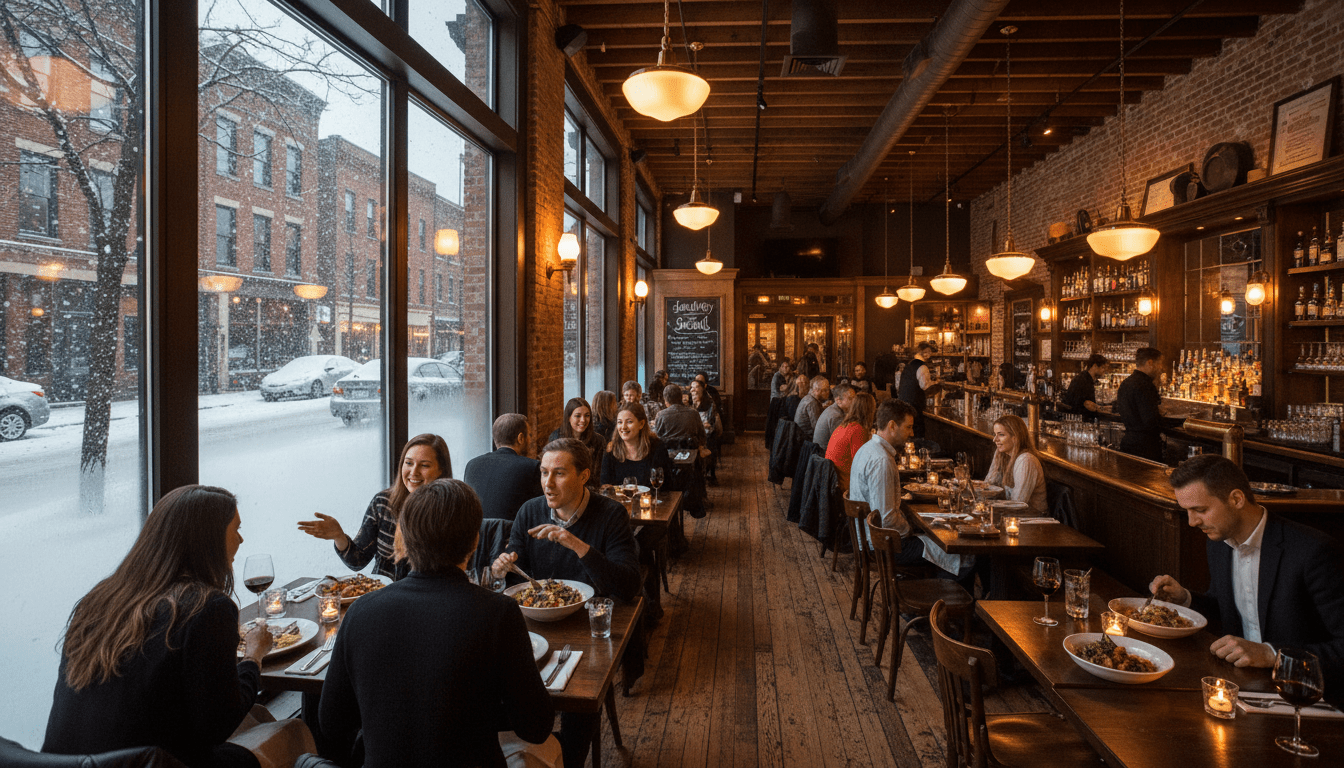
While January is traditionally viewed as a hibernation period for the hospitality industry, the dining landscape in Detroit is telling a different story this winter. Fueled by a steady stream of national accolades and a pivot toward experiential winter dining, the conversation around the best restaurants in Detroit is shifting from simple sustenance to cultural resilience. As temperatures drop, local establishments are heating up with robust seasonal menus, zero-proof innovations, and continued economic momentum that defies the typical post-holiday downturn.
According to recent data from the Michigan Restaurant & Lodging Association, the state’s hospitality sector has shown surprising stability entering 2024 and 2025, recovering nearly all jobs lost during the pandemic era. In Detroit, this stability is manifesting in a vibrant January scene where reservations remain competitive, particularly at establishments that have recently garnered national attention.
The Evolving Landscape of Detroit Dining
The definition of the best restaurants in Detroit is evolving this January. It is no longer solely about fine dining in the downtown core; it is about neighborhood anchors providing warmth and community during the bleakest month of the year. Establishments in Corktown, West Village, and the Cass Corridor are reporting steady foot traffic, driven largely by locals rather than tourists.
Reports from Visit Detroit indicate that culinary tourism remains a significant draw for the city, even in winter. This January, the spotlight is on restaurants that have adapted their spaces for the season. Places like Alpino in Corktown, which draws inspiration from Alpine culture, naturally thrive in this weather, offering a thematic relevance that resonates with diners seeking comfort. Similarly, long-standing staples like Selden Standard continue to dominate the conversation by refreshing their menus to utilize aggressive winter root vegetables and hearty proteins.
“The first month of the year is usually about survival for restaurants, but we are seeing a shift toward celebration,” said a representative from a local Corktown business association during a recent town hall. “People are not staying home. They are looking for high-quality experiences that justify braving the cold.”
Impact on Detroit Residents and Culture
For Detroit residents, the bustling January dining scene offers more than just a meal; it provides vital social infrastructure during the isolating winter months. The surge in “Dry January” participation—where diners abstain from alcohol for the month—has forced the best restaurants in Detroit to innovate.
Local mixologists are no longer treating non-alcoholic beverages as an afterthought. Leading venues are rolling out complex mocktail pairings that rival their alcoholic counterparts in price and craftsmanship. This inclusivity allows residents participating in the health trend to remain active patrons of the local economy without compromising on their lifestyle choices.
Furthermore, the economic impact on the local workforce is tangible. Sustained dining traffic in January means fewer cut hours for shift workers. In an industry where January often leads to temporary layoffs or reduced shifts, the current demand helps stabilize income for thousands of Detroit service workers. Read more about Detroit’s economic resilience in our recent economy update.
Background and Data: The Post-Holiday Pivot
The resilience of the Detroit food scene is backed by broader economic trends. While national consumer spending often dips in Q1, Detroit’s focused revitalization efforts have created a micro-economy that supports local business. According to the U.S. Bureau of Labor Statistics, the leisure and hospitality sector in the Detroit-Warren-Dearborn area has seen a consistent upward trajectory over the last twelve months.
However, challenges remain. Inflation continues to impact supply chain costs for restaurant owners. The price of premium ingredients remains high, forcing chefs to be more creative. This constraint has arguably improved the quality of dining, as kitchens focus on technique and locally sourced winter produce rather than relying on expensive, imported luxury goods.
A significant factor in maintaining momentum this month is the anticipation of award season. With the James Beard Foundation typically announcing semi-finalists in late January, the city is buzzing with speculation. Detroit has consistently placed chefs and restaurateurs on these prestigious lists in recent years, cementing the city’s status as a serious food destination. This anticipation drives diners to visit contenders before they become impossible to book.
What Happens Next
Looking ahead to February, the momentum is expected to accelerate. Following the January quiet period, preparations for Valentine’s Day and upcoming Restaurant Week events will begin to dominate the local news cycle. Residents can expect to see a transition from the hearty, survival-mode menus of January to more experimental, early-spring concepts as the days lengthen.
For now, the message from the city’s hospitality leaders is clear: The best restaurants in Detroit are open, adapting, and serving as essential gathering spaces for the community. Residents are encouraged to support these local businesses to ensure the economic gains of the holiday season carry through the rest of the winter.
For further coverage on how neighborhood developments are supporting local businesses, check out our report on neighborhood infrastructure projects.