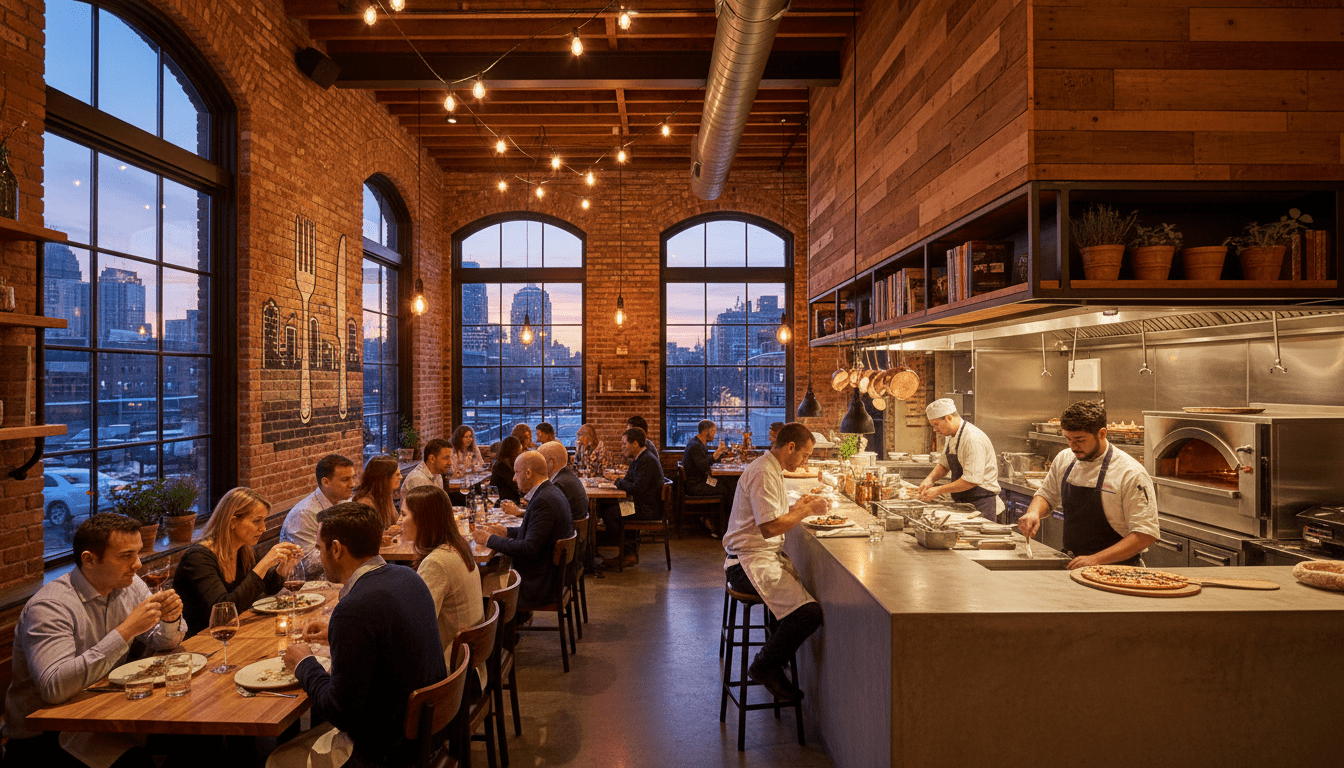
Detroit’s dining landscape is undergoing a significant transformation, shifting from a scene dominated by iconic Coney Islands and deep-dish pizza to a nationally recognized hub for culinary innovation. As 2024 progresses, the conversation surrounding the best restaurants in Detroit is no longer just about food; it is about economic resilience, neighborhood development, and cultural preservation.
Recent accolades from the James Beard Foundation and attention from national publications like the New York Times and Bon Appétit have solidified the city’s status as a premier dining destination. However, local stakeholders argue that the true story lies in how these establishments are anchoring communities and providing sustainable employment in a post-pandemic economy.
A Shift in Culinary Identity
For decades, Detroit’s food identity was inextricably linked to its industrial roots—hearty, affordable meals designed for the working class. While staples like Lafayette Coney Island remain cultural landmarks, a new wave of chefs is redefining what constitutes the best restaurants in Detroit. This evolution is characterized by a focus on hyper-local sourcing, diverse global cuisines, and chef-driven concepts that rival those in Chicago or New York.
Establishments such as Freya in the Milwaukee Junction neighborhood and Baobab Fare in New Center have garnered national headlines not only for their menus but for their business models. According to reports from the James Beard Foundation, Detroit chefs are increasingly prioritizing equitable pay structures and community engagement, setting a new standard for the industry.
“The definition of fine dining in Detroit has expanded,” noted a recent analysis by the Detroit Economic Growth Corporation (DEGC). “It is no longer confined to downtown high-rises. We are seeing world-class dining experiences emerging in residential neighborhoods, acting as catalysts for further commercial investment.”
Economic Impact on Detroit Residents
The surge in high-quality dining options has tangible effects on local residents, extending beyond mere gastronomy. The hospitality sector has become a vital engine for job creation in the city. Data from the Michigan Restaurant & Lodging Association (MRLA) indicates that the restaurant industry remains one of the state’s largest employers, with Detroit leading in independent restaurant growth.
For residents, the rise of acclaimed eateries often signals the stabilization of business corridors. In neighborhoods like West Village and Corktown, successful restaurants create foot traffic that benefits adjacent retail businesses. However, this growth brings complex dynamics regarding affordability and gentrification.
While the influx of investment is generally welcomed, community groups have raised concerns about ensuring that long-term residents are not priced out of their own neighborhoods. Development officials emphasize that a balanced ecosystem—where affordable staples coexist with upscale venues—is crucial for sustainable growth. See our previous coverage on neighborhood development plans for more context on zoning changes affecting these commercial corridors.
What Defines the Best Restaurants in Detroit Today?
In the current climate, the criteria for being considered among the best restaurants in Detroit have shifted. It is no longer solely about the complexity of a dish, but also about authenticity and representation. The city has seen a marked increase in restaurants celebrating Afro-Caribbean, Hmong, and Senegalese cuisines, reflecting the city’s rich demographic tapestry.
Local food critics have pointed out that the most successful modern restaurants in Detroit are those that tell a story. Whether it is Warda Pâtisserie’s blend of Algerian and Asian influences or the farm-to-table ethos of Marrow, the establishments thriving in today’s market are those that offer a distinct narrative alongside their menu. This narrative-driven approach is helping to market Detroit to tourists and conventions, further boosting the local economy.
Challenges Facing the Industry
Despite the optimism, the path forward is not without obstacles. Inflation and supply chain disruptions continue to squeeze profit margins. Local business owners report that the cost of goods remains significantly higher than pre-2020 levels, forcing menu price increases that risk alienating price-sensitive customers.
Furthermore, the labor market remains tight. While the hospitality sector is hiring, attracting and retaining skilled culinary talent is a competitive challenge. Many of the self-proclaimed best restaurants in Detroit are responding by offering benefits packages previously unheard of in the industry, including health insurance and paid time off, to secure top-tier staff.
“The sustainability of this boom depends on the workforce,” said a spokesperson for the Detroit Restaurant Association in a recent press briefing. “To maintain the quality that national critics are praising, we need to ensure that culinary careers in Detroit are viable, long-term options for our residents.”
Future Outlook
Looking ahead, the momentum shows little sign of slowing. Rumors persist regarding the potential arrival of the Michelin Guide to Michigan, a move that would instantaneously elevate the global profile of Detroit’s dining scene. Such a development would likely spur further investment in hospitality infrastructure and tourism.
City officials are also exploring initiatives to support aspiring restaurateurs through grants and incubator programs, ensuring that the next generation of the best restaurants in Detroit comes from within the community. As the city continues its revitalization efforts, the dining table remains a central place where economics, culture, and community intersect.
For more updates on local business trends, read our analysis on Detroit’s 2024 small business grant initiatives.