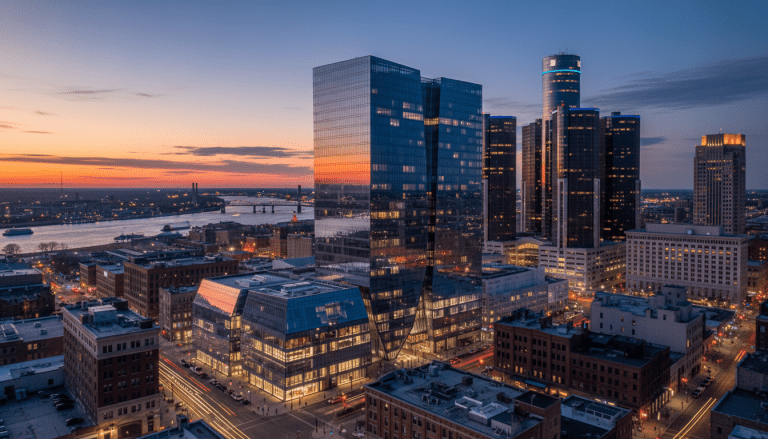

Detroit’s economic narrative has shifted dramatically over the last decade, moving from stories of bankruptcy to tales of revitalization. At the heart of this transformation is a powerful engine: the surge of Black-owned businesses in Detroit. As the city continues to rebuild its neighborhoods and commercial corridors, Black entrepreneurs are not just participating in the recovery; they are defining it.
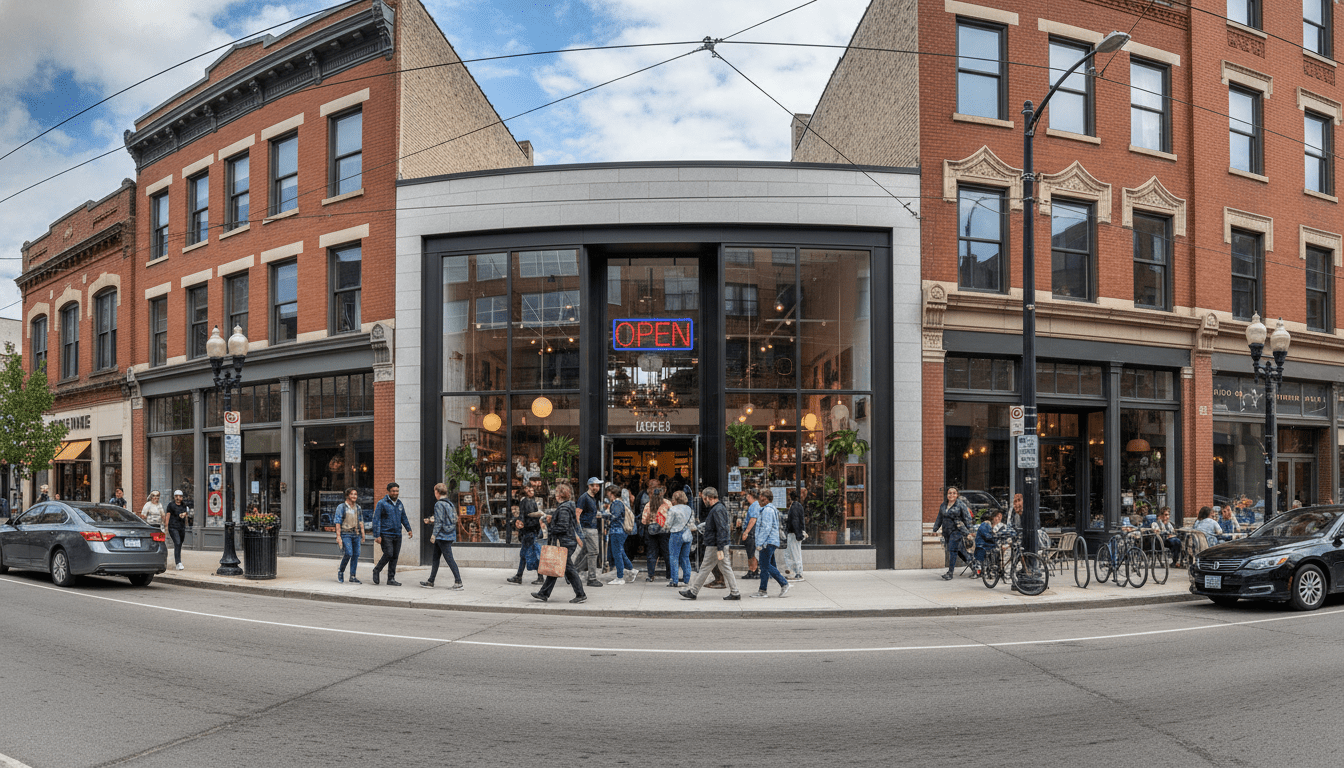
According to recent rankings, Detroit consistently places among the top cities in the United States for Black founders. This isn’t merely a statistical anomaly but the result of a deliberate ecosystem built to foster minority entrepreneurship. From the bustling Avenue of Fashion to emerging storefronts in Corktown and the West Village, these businesses are becoming the pillars of their respective communities.
A National Hub for Black Entrepreneurship
Data from the U.S. Census Bureau and the Brookings Institution indicates that Detroit has one of the highest concentrations of Black-owned businesses in the country. While challenges remain regarding scale and revenue parity, the sheer volume of startups is indicative of a thriving entrepreneurial spirit.
“Detroit is unique because the barrier to entry, while present, is lower here than in coastal cities, and the community support is unmatched,” said a representative from the Detroit Economic Growth Corporation (DEGC). “When a new shop opens on Livernois or in Jefferson Chalmers, the neighborhood shows up. That loyalty is the bedrock of our local economy.”
The rise of these enterprises is diverse, spanning industries from culinary arts and fashion to tech startups and manufacturing. This diversification is crucial for the city’s long-term economic health, reducing reliance on the automotive industry that historically defined Detroit’s financial trajectory.
Institutional Support and Policy Initiatives
The growth of Black-owned businesses in Detroit is not happening in a vacuum. It is supported by robust public and private partnerships designed to bridge the capital access gap—a historical hurdle for minority business owners.
Programs like Motor City Match have been instrumental. By pairing entrepreneurs with available real estate and providing grant funding for build-outs, the program has helped launch over 150 businesses, the vast majority of which are minority-owned. This initiative addresses two problems simultaneously: filling vacant commercial properties and empowering local residents to become business owners.
Furthermore, local Community Development Financial Institutions (CDFIs) are stepping in where traditional banks have historically failed. By offering micro-loans and technical assistance, organizations are ensuring that businesses have the runway needed to survive the critical first three years of operation.
For more on the city’s broader economic strategies, readers can explore our coverage on major Detroit development projects shaping the skyline.
Impact on Detroit Residents
The success of these businesses has a direct, tangible impact on the daily lives of Detroiters. When residents support Black-owned businesses in Detroit, the economic multiplier effect keeps capital circulating within the city limits. This leads to job creation within neighborhoods, often providing employment opportunities for residents who might otherwise face transportation barriers to jobs in the suburbs.
Local business owners often prioritize hiring from their immediate zip codes. This hyperlocal hiring strategy reduces unemployment rates in specific precincts and fosters a sense of community ownership. When a bakery opens on the corner, it acts as a community anchor, increasing foot traffic and making the street safer and more vibrant.
“It’s about more than just commerce; it’s about identity,” explained a local business owner on the Avenue of Fashion. “When kids see people who look like them owning the buildings and running the shops, it changes their perception of what is possible in their own future.”
Challenges Remaining: Capital and Scale
Despite the optimism, significant challenges persist. Access to scaling capital remains a primary hurdle. While startup grants are available, securing the larger loans needed for expansion, franchising, or equipment upgrades is often difficult for Black entrepreneurs due to systemic disparities in banking and collateral valuation.
A report by the University of Michigan’s Poverty Solutions highlights that while the number of businesses is high, many remain solopreneur ventures with zero employees. The next phase of Detroit’s economic strategy is focused on helping these micro-businesses transition into small and mid-sized enterprises (SMEs) that can employ 5 to 50 people.
Additionally, navigating the city’s permitting and zoning processes can be daunting for first-time owners. The city has made strides to digitize and streamline these processes, but improvements are still necessary to reduce the time between signing a lease and cutting the ribbon.
Read more about the city’s efforts to improve infrastructure for businesses in our report on Detroit transportation and infrastructure updates.
The Future Outlook
Looking toward 2025 and beyond, the trajectory for Black-owned businesses in Detroit appears resilient. With the NFL Draft having shone a spotlight on the city and continuing tourism growth, local businesses are positioned to capture new revenue streams.
The collaboration between the philanthropic sector, city government, and the private sector has created a safety net that did not exist a decade ago. As Detroit continues to renovate its commercial corridors, the integration of long-standing residents into the new economic fabric remains the priority.
For Detroit, the success of Black entrepreneurship is not just a metric of diversity; it is the essential component of the city’s survival and future prosperity. As these businesses grow, so does the city, proving that the Motor City’s next great export is innovation and resilience.