
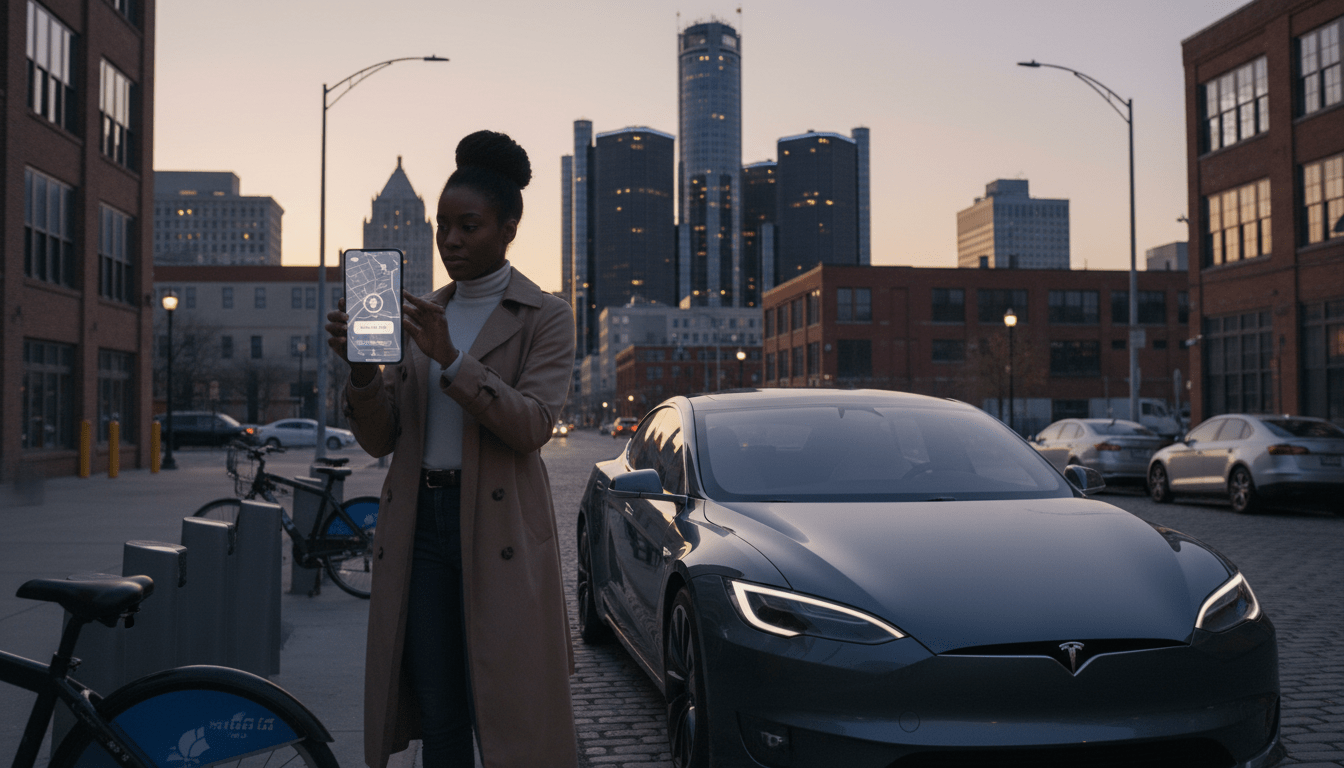
In a city famously dubbed the Motor City, the concept of personal vehicle ownership has long been inextricably linked to Detroit’s cultural identity. However, a shifting economic landscape and evolving mobility needs are driving a significant transformation in how Detroiters access transportation. Car sharing Detroit markets are expanding, offering residents alternatives to the traditional model of buying and maintaining a vehicle.
While Detroit remains the global epicenter of the automotive industry, the practicalities of owning a car within the city limits—ranging from high insurance premiums to maintenance costs—are pushing residents toward services like Turo, Zipcar, and Getaround. This trend represents not just a change in consumer behavior, but a potential lifeline for transit-starved neighborhoods and a burgeoning side hustle for local entrepreneurs.
The Shift Toward Shared Mobility in the Motor City
For decades, the rhythm of Detroit life was dictated by the personal automobile. Yet, recent years have seen a divergence between vehicle manufacturing and vehicle accessibility. Peer-to-peer (P2P) platforms, which allow individuals to rent out their personal vehicles, have gained particular traction alongside traditional fleet-based services.
According to recent industry data, peer-to-peer car sharing has seen year-over-year growth in major metropolitan areas, with Detroit emerging as a unique market due to its sprawl and limited public transit infrastructure. Unlike cities like New York or Chicago, where car sharing often supplements robust subway systems, in Detroit, these services frequently bridge the gap for essential travel.
"The definition of mobility in Detroit is expanding," says a representative from a local mobility advocacy group. "It isn’t just about buses or owning a brand-new SUV anymore. It is about access. For many, renting a car for a specific errand or a weekend trip is far more economically viable than carrying a monthly car note and insurance premium."
Economic Drivers: Insurance and Inflation
To understand the surge in Detroit local living adjustments regarding transportation, one must look at the costs. Detroit has historically contended with some of the highest auto insurance rates in the United States. Despite reform efforts in recent years, premiums remain a significant burden for many households.
Data from insurance comparison platforms indicates that Detroit drivers often pay more than double the national average for coverage. When combined with the rising cost of new and used vehicles—exacerbated by supply chain issues post-2020—the barrier to entry for ownership has risen. Car-sharing services in Detroit provide a pay-as-you-go model that circumvents these fixed costs.
For residents who only need a vehicle occasionally—such as for grocery runs, medical appointments, or regional travel—services like Zipcar (which stations cars in designated spots) or Turo (which operates like an Airbnb for cars) offer a financial reprieve. Users can pay for the specific hours or days they need without worrying about long-term depreciation or monthly insurance bills.
Impact on Local Residents and The Gig Economy
The rise of car sharing Detroit platforms is two-fold: it benefits those who need cars, but it also creates opportunities for those who own them. For many Detroiters, listing a vehicle on a P2P platform has become a vital source of secondary income.
Local hosts report using these platforms to offset their own car payments. In some cases, entrepreneurial residents have built small fleets, effectively running micro-rental agencies out of their driveways. This "gig economy" approach allows money to circulate within the community, rather than flowing exclusively to national rental chains.
However, this new economy is not without its friction points. Neighborhoods near Detroit Metropolitan Airport (DTW) and popular downtown attractions have occasionally raised concerns regarding parking congestion caused by fleets of shared vehicles. Furthermore, hosts must navigate complex insurance policies to ensure they are covered in the event of an accident.
Accessibility and The “Last Mile” Problem
Transportation equity remains a critical issue in the city. While downtown and midtown see a high density of mobility options, outer neighborhoods often face a "transportation desert." Local business leaders and community organizers are increasingly looking at how shared mobility can address these gaps.
Some community initiatives are exploring partnerships with car-share providers to station vehicles in under-served neighborhoods, aiming to provide residents with reliable access to jobs in the suburbs. This addresses the "last mile" problem, where public transit may get a worker close to their destination, but not all the way there.
According to the City of Detroit Department of Transportation, improving multi-modal transit options is a priority. Integrating car-sharing nodes with existing bus routes (DDOT and SMART) could theoretically create a more seamless network, though widespread integration is still in the early stages.
Regulatory Landscape and Airport Access
As the sector matures, regulation is catching up. One of the biggest battlegrounds for car-sharing services in Detroit has been airport access. Traditional rental car companies pay significant concession fees to operate at airports like DTW. P2P sharing services, which often involve a host meeting a guest at a terminal or a nearby parking lot, have faced scrutiny regarding whether they should be subject to similar fees and rules.
DTW and other regional transport hubs have implemented specific guidelines for peer-to-peer car sharing operations to ensure fairness and safety. Travelers arriving in Detroit are increasingly opting for these apps to avoid long rental counter lines, but they must now navigate specific pickup zones designated by airport authorities.
The Future of Mobility in Detroit
Looking ahead, the intersection of electric vehicles (EVs) and car sharing is the next frontier for the city. With major automakers like GM and Ford—both headquartered locally—pushing heavily into EV production, Detroit is well-positioned to become a testbed for electric car-sharing fleets.
Pilot programs and private investments are beginning to explore how EV charging infrastructure can support shared fleets. If successful, this could lower the operating costs of shared vehicles even further, potentially passing savings on to the user while reducing the city’s carbon footprint.
While the private car remains a symbol of Detroit’s industrial history, the functional reality of getting around the city is changing. Whether through necessity driven by costs or a preference for flexibility, car sharing Detroit services are carving out a permanent lane on the city’s roads. For residents, this evolution offers a new definition of what it means to drive in the Motor City.