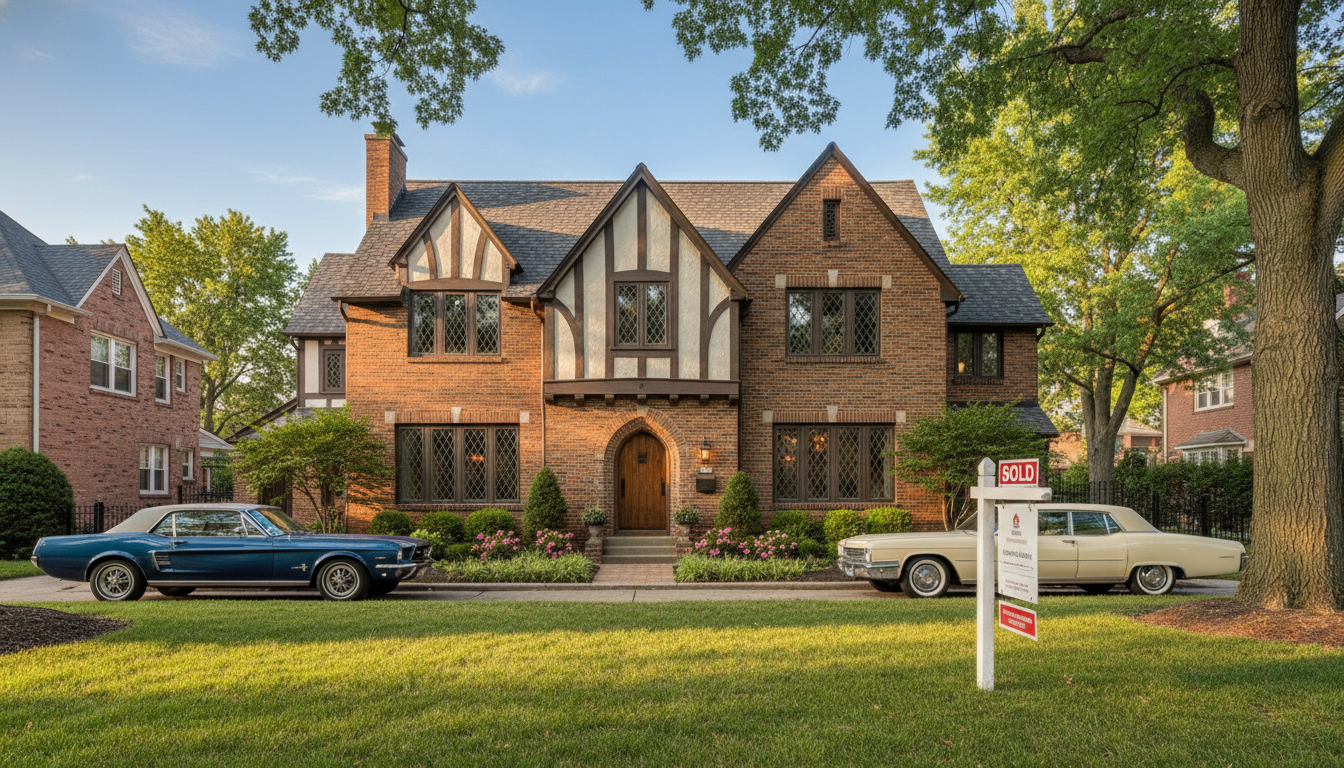
In the decade following Detroit’s historic bankruptcy, the city’s residential landscape has undergone a profound transformation. What began as a desperate effort to manage tens of thousands of vacant structures has evolved into a sophisticated strategy for Detroit housing market revitalization. Central to this effort is the Detroit Land Bank Authority (DLBA), an agency that has shifted its primary focus from demolition to the preservation and sale of homes to residents who are committed to rebuilding their neighborhoods.
The Evolution of the Detroit Land Bank Authority
According to the City of Detroit, the DLBA was established to return blighted and vacant properties to productive use. In its early years, the agency was primarily associated with the massive federal Hardest Hit Fund, which financed the demolition of thousands of structures that were deemed beyond repair. However, as the city’s economy has stabilized, the strategy has pivoted toward occupancy. Today, the DLBA operates several programs, including the popular “Auction,” “Own It Now,” and “Side Lot” programs, which allow residents to purchase adjacent land for a fraction of its market value.
Data from the DLBA indicates that the agency has successfully moved more than 20,000 properties back into private hands over the last several years. This movement is a critical component of the Detroit housing market revitalization, as it directly addresses the issue of “zombie properties” that once suppressed the value of neighboring homes. By ensuring that these structures are renovated and occupied, the city is fostering a more predictable and stable real estate environment.
Impact on Detroit Residents and Homeownership
For many long-term Detroiters, the revitalization of the housing market is a double-edged sword. On one hand, rising property values help build generational wealth for families who stayed in the city during its most difficult years. On the other hand, the cost of entry for new homeowners is rising. To mitigate this, the City of Detroit has introduced the “Buy Back” program, which allows individuals currently living in DLBA-owned houses—often as a result of tax foreclosure or unauthorized occupation—to purchase the home and gain legal title, provided they meet certain conditions such as paying water bills and keeping the property up to code.
Local housing advocates suggest that programs like these are essential for maintaining the city’s social fabric. When residents own their homes, they are more likely to invest in their blocks, leading to safer streets and better-maintained infrastructure. This grassroots stability is the backbone of the broader Detroit neighborhood revitalization efforts that have gained national attention. Property value increases in neighborhoods like Bagely, Fitzgerald, and Morningside are no longer outliers; they are becoming the norm as demand for renovated brick homes grows.
Background and Data: The Numbers Behind the Growth
A 2023 study by University of Michigan’s Poverty Solutions found that home values in Detroit have appreciated significantly, with some neighborhoods seeing a 40% to 60% increase in median sale prices over a five-year period. Data from the U.S. Census Bureau further supports this trend, showing a gradual increase in the number of owner-occupied housing units within city limits. While the city still faces challenges regarding mortgage access for Black and Brown residents, the volume of traditional bank financing is on the rise, moving away from the land-contract-only market that dominated the post-recession era.
The Detroit housing market revitalization is also being fueled by the Strategic Neighborhood Fund (SNF). This public-private partnership, as reported by the Detroit economic development office, has funneled millions of dollars into streetscapes, parks, and commercial corridors. The goal is to create a “20-minute neighborhood” where residents can access all essential services within a short walk or bike ride. When the commercial district of a neighborhood improves, the residential property values typically follow, creating a positive feedback loop for the local economy.
Navigating the Challenges of Aging Infrastructure
Despite the progress, significant hurdles remain. The vast majority of Detroit’s housing stock was built before 1950, meaning many homes require extensive updates to electrical, plumbing, and HVAC systems. For many first-time buyers, the cost of renovation can exceed the purchase price of the home. To address this gap, the DLBA provides potential buyers with a “compliance” checklist, outlining the specific repairs needed to bring a property up to city code within a designated timeframe.
Furthermore, external factors such as interest rate fluctuations and construction material costs continue to impact the pace of Detroit housing market revitalization. According to a report by the Detroit Free Press, the cost of lumber and skilled labor has made it more difficult for small-scale developers—those often referred to as “neighborhood flippers”—to complete projects profitably without subsidies. This has led to a greater reliance on city-led grants and tax abatements to keep housing projects moving forward.
What Happens Next for Detroit Neighborhoods
Looking ahead to 2025, the focus of the city administration appears to be on density and affordable housing. Mayor Mike Duggan’s office has emphasized the need for “affordable at all levels” development, ensuring that as the city grows, it does not displace those who have called Detroit home for decades. This includes the development of new multi-family units and the conversion of vacant schools into apartment complexes.
The Detroit Land Bank Authority is expected to continue its sunsetting strategy for certain inventories while doubling down on programs that support local, minority-owned contracting firms. As the supply of available DLBA homes decreases, the market is expected to shift toward more traditional private-sector transactions, a sign that the city’s housing ecosystem is reaching a new level of maturity. For the residents of Detroit, the hope is that this revitalization leads to more than just higher appraisals, but to safer, more vibrant, and more equitable communities for the next generation.