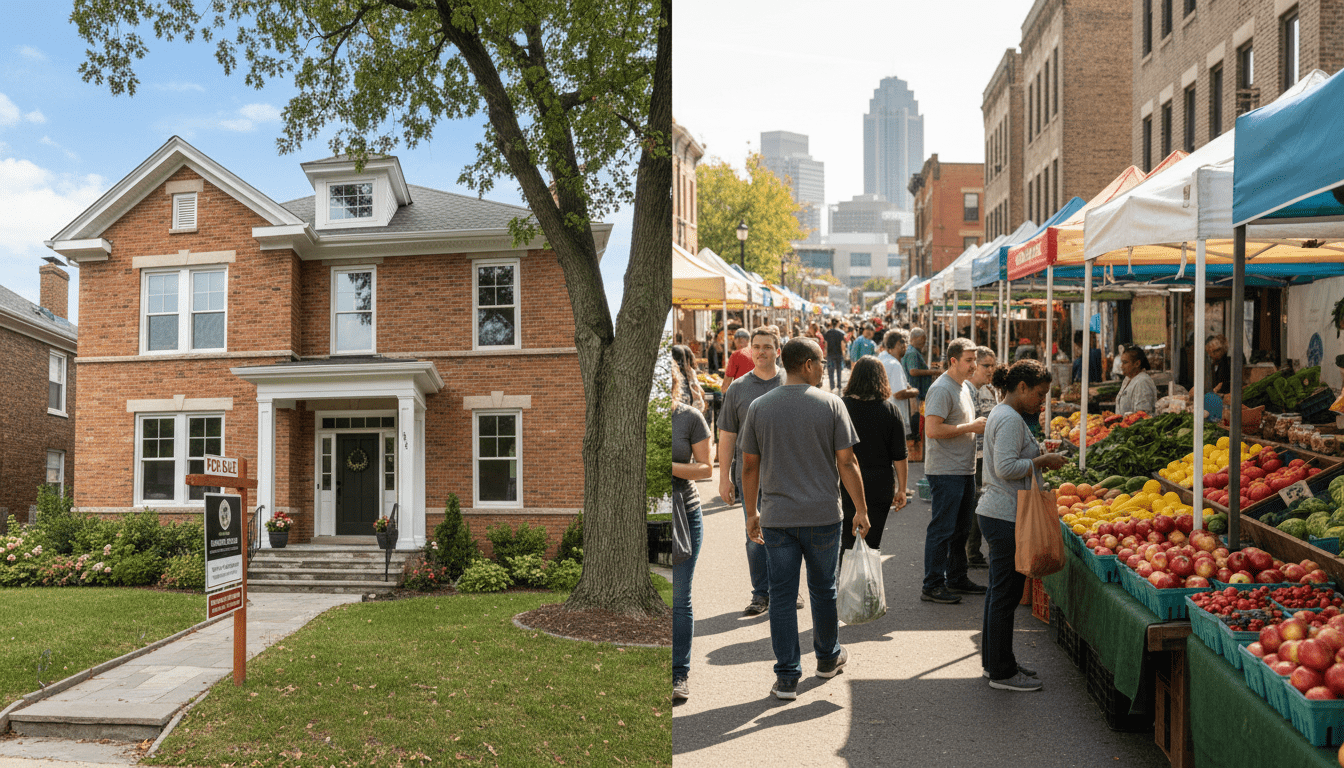
Detroit has long been cited as one of the most affordable major metropolitan areas in the United States, often drawing interest from coastal transplants and investors seeking relief from skyrocketing national prices. However, recent economic shifts, persistent inflation, and a transforming housing market are altering the financial landscape for long-time residents. As 2024 progresses, the true cost of living in Detroit is becoming a complex narrative of stabilization for some and increased pressure for others.
While the Motor City remains significantly less expensive than cities like Chicago, New York, or Los Angeles, local economists warn that the gap is narrowing in specific sectors. Data from the Bureau of Labor Statistics (BLS) indicates that while overall consumer prices have moderated nationwide, the Detroit-Warren-Dearborn area has seen specific volatility in energy costs and shelter indexes that directly impact household budgets.
Housing Market Trends Drive Changes
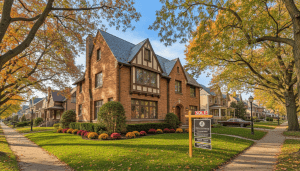
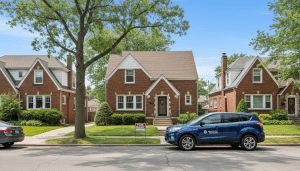
The primary driver of the shifting cost of living in Detroit is the housing market. For decades, Detroit was characterized by an abundance of low-cost housing stock. However, a concerted effort to revitalize neighborhoods and a shortage of move-in-ready homes has pushed prices upward.
According to recent reports from the Detroit Regional Chamber, home values in the city have appreciated steadily over the last five years. While this accumulation of generational wealth is a positive development for existing homeowners, it presents a higher barrier to entry for first-time buyers. The median sale price in the city has risen, though it still sits well below the national average.
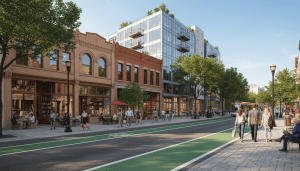
For renters, the situation varies drastically by neighborhood. In areas like Midtown, Downtown, and Corktown, rents have reached levels comparable to other mid-sized U.S. cities, driven by high demand and new luxury developments. Conversely, rents in neighborhoods further from the city center remain lower, though many residents report that the quality of housing stock in these affordable brackets often requires significant maintenance or lacks modern energy efficiency.
“The narrative that you can buy a house for $1,000 is largely a thing of the past unless you are a developer with significant capital for renovations,” notes a recent summary on Detroit real estate trends. “Today, the cost of living calculation must include the substantial funds required to bring older homes up to code.”
The Hidden Costs: Insurance and Utilities
When calculating the cost of living in Detroit, base rent or mortgage payments only tell half the story. The city has historically struggled with some of the highest automobile insurance rates in the country. despite Michigan’s 2020 auto insurance reform, which aimed to lower premiums by offering drivers different levels of Personal Injury Protection (PIP) coverage, Detroiters still pay significantly more than the national average.
Local insurance brokers indicate that factors such as credit scores, zip codes, and repair costs continue to keep premiums high. For a household with two cars, insurance can sometimes rival the cost of a monthly mortgage payment, a unique financial burden that does not exist to the same degree in other Midwest cities.
Utilities also play a major role. DTE Energy, the primary provider for the region, has implemented rate adjustments in recent years to fund infrastructure upgrades. Given that Detroit has an older housing stock with often poor insulation, heating bills during Michigan’s harsh winters can cause a sharp spike in monthly expenses. Residents in unrenovated homes often face a “weather tax” in the form of heat loss, driving up the effective cost of living significantly during the months of December through March.
Impact on Detroit Residents
The rising costs are felt most acutely by the city’s median-income households. While new developments bring jobs and tax revenue, the day-to-day purchasing power of residents is being tested at the grocery store and the gas pump.
Local community organizations have pointed out that while Detroit’s revitalization is celebrated, the economic benefits must reach the neighborhoods. “If the cost of living rises faster than wages, we risk displacing the very people who stuck with this city through the hard times,” is a sentiment frequently echoed in city council meetings and community forums.
Food insecurity remains a challenge in areas classified as food deserts, where residents must travel further to reach major grocery chains. This adds a transportation cost to the basic necessity of food. However, the expansion of local urban farming initiatives and new grocery stores opening in underserved neighborhoods is slowly helping to stabilize food access and pricing.
Comparative Data and Regional Context
Despite these challenges, Detroit retains a competitive edge regarding overall affordability. According to data from the Council for Community and Economic Research (C2ER), Detroit’s composite cost of living index consistently ranks lower than the national average of 100. Key areas of savings include:
- Health Care: generally tracks slightly below or at national averages.
- Services: Personal services and entertainment remain affordable compared to coastal hubs.
- Property Taxes: While rates are high, the assessed values are lower than national medians, balancing the actual dollar amount paid for many homeowners.
However, prospective residents must weigh these savings against the municipal income tax. Detroit levies a resident income tax of 2.4% and a non-resident tax of 1.2% for those working within city limits, a factor that directly reduces disposable income.
Economic Outlook for 2024 and Beyond
Looking ahead, the economic trajectory suggests a continued normalization of the market. As reported in our coverage of local business growth, the arrival of new tech hubs and the transition of the automotive industry toward electric vehicles (EVs) are expected to bolster wages.
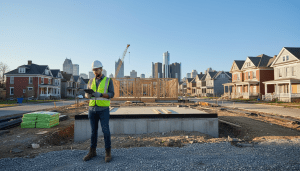
City officials are currently focused on programs designed to increase homeownership and assist with down payments, aiming to stabilize housing costs for residents. The “Detroit Promise” and various land bank initiatives are tools being utilized to ensure that the cost of living remains manageable for families.
Ultimately, the cost of living in Detroit is no longer a story of rock-bottom prices, but rather one of value. The city offers cultural richness, architectural beauty, and economic opportunity at a price point that is rising, yet still attainable compared to the prohibitive costs of other major American urban centers. Monitoring inflation trends and housing inventory will be critical for residents planning their financial future in the Motor City.