
By Sarah Jenkins
Published: October 24, 2023
Location: Detroit, Michigan
Detroit Auto Industry at a Crossroads: Navigating the Massive Shift to Electric
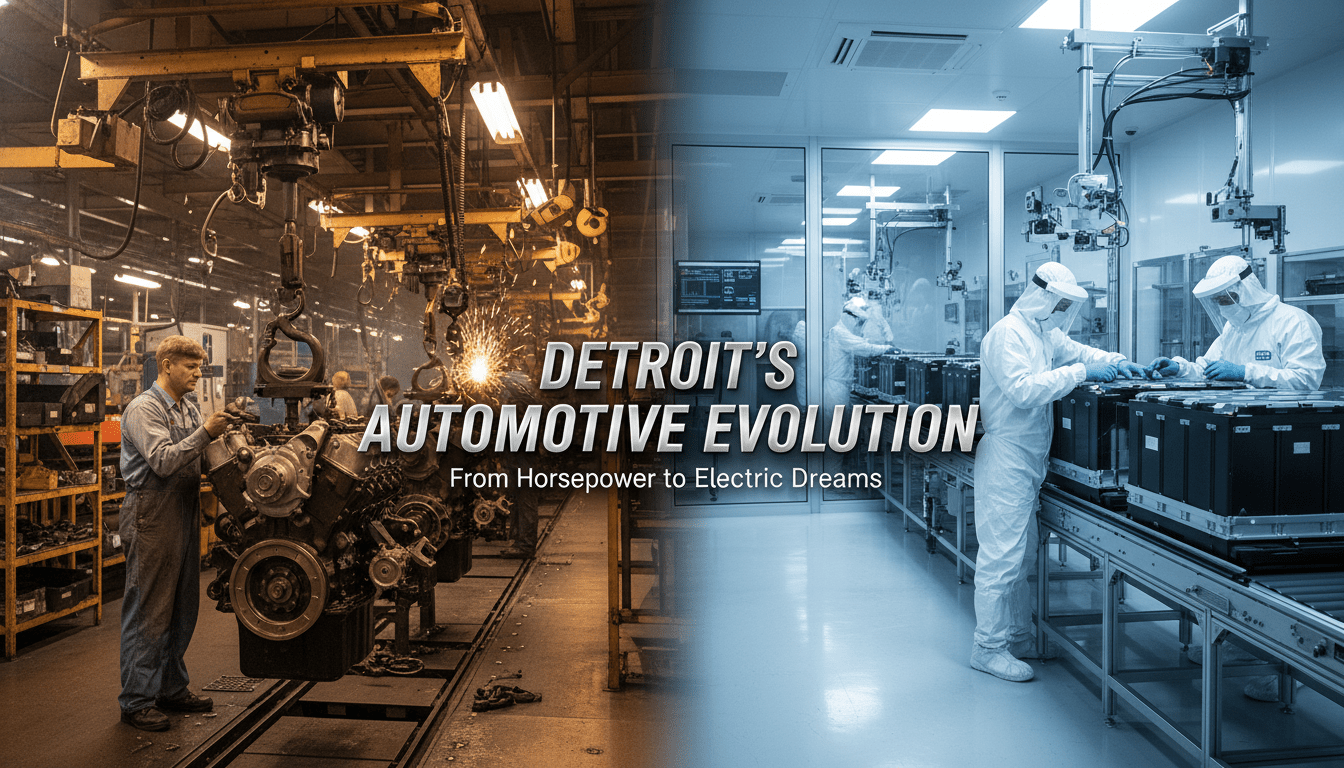
The heartbeat of the Motor City is changing rhythm. As the global push for sustainability reshapes manufacturing, the Detroit auto industry is undergoing its most significant transformation since the assembly line was invented. With billions of dollars in investments pouring into electric vehicle (EV) infrastructure and battery production, Detroit finds itself balancing a proud heritage of internal combustion engines with an urgent, high-stakes future in electrification.
While General Motors, Ford, and Stellantis have all committed to aggressive electrification goals, the road has not been entirely smooth. From supply chain complexities to fluctuating consumer demand, the transition represents both a lifeline and a challenge for the region’s economy.
The Great EV Pivot
The transformation is visible across the state. According to data from the Michigan Economic Development Corporation (MEDC), the state has secured over $16 billion in electric vehicle and battery manufacturing investments since 2019. This capital influx aims to retool historic plants and build new facilities capable of producing the next generation of transportation.
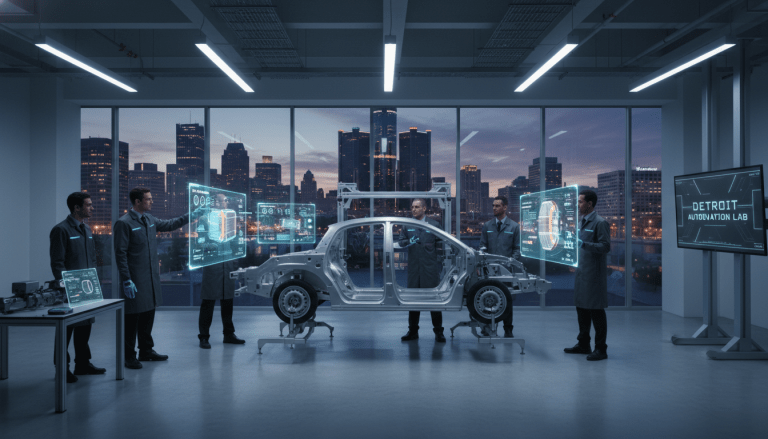
“We are witnessing a fundamental rewriting of the automotive DNA,” says Marcus Hill, a supply chain analyst based in Metro Detroit. “The Detroit auto industry isn’t just changing what it builds; it is changing how it thinks, hiring software engineers at the same rate as mechanical engineers.”
However, recent months have seen a recalibration. With EV adoption rates cooling slightly due to price sensitivity and charging infrastructure gaps, automakers are adjusting their timelines. This pragmatic approach involves increasing hybrid production—a move that ensures local assembly lines remain active while the full electric infrastructure matures.
Impact on Detroit Residents and Workforce
For the people of Detroit, this industry overhaul is personal. The shift impacts everything from property values near manufacturing hubs to the types of jobs available for the next generation. The concern for many is the nature of these new roles.
Traditional powertrain jobs—those specific to engines and transmissions—are at risk of obsolescence, prompting a massive need for retraining. However, the local jobs market is seeing a surge in demand for electrical technicians and battery specialists.
Local educational institutions are stepping up to bridge the gap. Programs at Wayne State University and various community colleges are now tailoring curriculums specifically to support the Detroit auto industry‘s new direction, offering certifications in high-voltage systems and robotics.
“There is anxiety, certainly,” admits a local UAW chapter representative who preferred to remain anonymous. “But there is also hope. If Michigan captures the battery manufacturing market, we secure jobs for another fifty years. If we lose it to the South, Detroit faces a difficult shrinking period.”
Background & Data: The Numbers Behind the Shift
The economic footprint of the auto sector in Michigan remains massive. According to the Bureau of Labor Statistics, the automotive sector still accounts for a significant portion of the state’s GDP. Yet, the composition is shifting.
- Investment Volume: Ford’s BlueOval City and GM’s Factory ZERO represent multi-billion dollar bets on EVs.
- Workforce Transition: Estimates suggest that while EVs require fewer parts than gas vehicles, the software and battery integration creates new, higher-paying technical roles.
- Sales Trends: While EV sales continue to grow year-over-year, hybrid vehicles have seen a resurgence in 2024, providing a crucial bridge for Detroit automakers.
For more on how these economic shifts affect local housing, read our coverage on Detroit real estate trends amidst the manufacturing boom.
What Happens Next
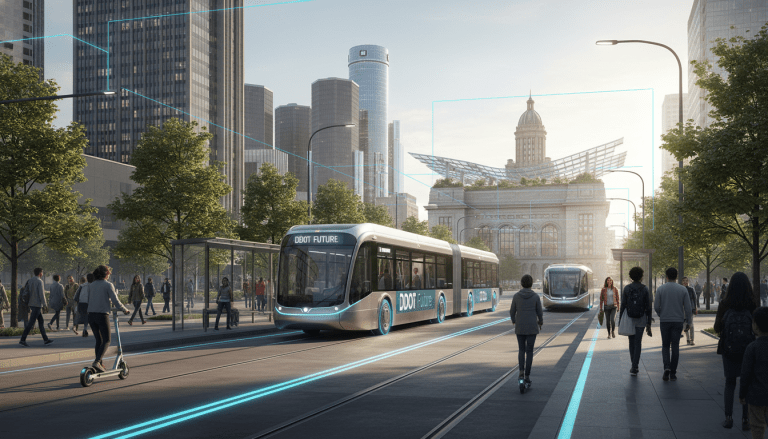
The next five years will be the defining era for the Detroit auto industry. The focus is shifting toward affordability and infrastructure. For widespread adoption to take hold in the Midwest, charging networks must become as reliable as gas stations, and vehicle prices must align with average incomes.
As the Big Three continue to navigate union negotiations, federal regulations, and fierce competition from Tesla and Chinese manufacturers, Detroit remains the central battleground. The transformation is messy and complex, but for a city known for its resilience, it is simply the next chapter.