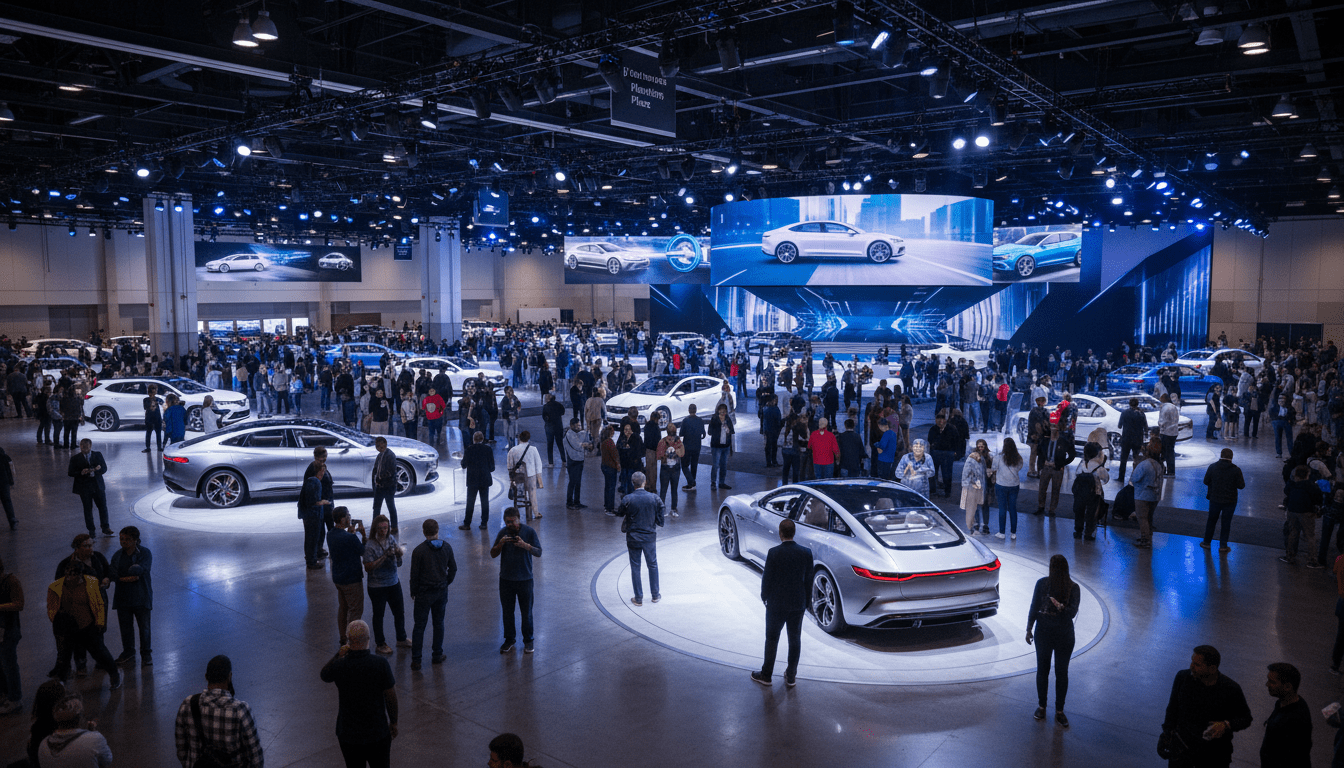
After a three-year experiment with autumnal dates, the North American International Auto Show (NAIAS)—colloquially known as the Detroit Auto Show—is officially returning to its traditional winter schedule. Scheduled to run from January 10 through January 20, 2025, at Huntington Place, the move marks a significant strategic pivot for the Detroit Auto Dealers Association (DADA) and the city’s downtown economy.
The decision to abandon the September timeslot comes after feedback from global automakers and local stakeholders who argued that the January window aligns better with the industry’s product development cycles. For Detroit residents and business owners, the return to January signals the restoration of a post-holiday economic engine that historically injected hundreds of millions of dollars into the local hospitality sector during the slowest month of the year.
According to announcements from show organizers, the 2025 iteration will focus heavily on the future of mobility, specifically the rapid (though fluctuating) transition to electric vehicles (EVs) championed by the “Detroit Three”—Ford, General Motors, and Stellantis.
The Strategic Pivot Back to Winter
The Detroit Auto Show originally moved to September in 2022 following cancellations caused by the COVID-19 pandemic. The logic at the time was sound: warmer weather would allow for outdoor activations, test drives around Hart Plaza, and a festival-like atmosphere. However, the reality proved challenging. The September dates conflicted with the start of the new model year production and competed for attention with other major global events.
According to Rod Alberts, executive director of the Detroit Auto Show, the decision to return to January was driven by global automaker demand. In statements to the press, Alberts noted that while the outdoor expansion was innovative, the primary goal remains providing the most effective stage for vehicle reveals. The global media and industry executives, who have traveled to Detroit in January for decades, reportedly favored the traditional timeline to kick off the automotive year.
“The return to January is a data-driven decision,” said a spokesperson for the Detroit Auto Dealers Association. “When we analyzed the global reveal schedules and the needs of our partners, the winter slot offered the highest potential for media impact and industry engagement.”
Economic Impact on Downtown Detroit
For the City of Detroit, the timing of the show is more than just a logistical detail; it is a matter of economic vitality. January is traditionally a difficult month for the hospitality industry in the Midwest. The Detroit Auto Show historically served as a critical buffer, filling hotel rooms, restaurants, and bars during a period that would otherwise see low occupancy.
Data from the Visit Detroit bureau suggests that major conventions at Huntington Place are vital for sustaining the downtown resurgence. In previous years, the January auto show has generated an estimated economic impact ranging from $300 million to $450 million for the regional economy. This influx comes from international media, industry executives, and hundreds of thousands of public attendees dining and staying in the city.
Local business owners are expressing cautious optimism regarding the shift. “September was nice for the weather, but we didn’t see the same density of corporate spending we used to see in January,” said the manager of a popular Woodward Avenue restaurant. “When the show is in the winter, people stay inside the downtown core. They fill the restaurants because it’s too cold to wander far. That density is good for business.”
Electrification and Industry Trends
The 2025 Detroit Auto Show will arrive at a complex moment for the automotive industry. While automakers are pushing electric vehicles, consumer adoption has seen recent hurdles regarding price and charging infrastructure. The show floor at Huntington Place is expected to reflect this tension, balancing internal combustion engine (ICE) legacy models with next-generation EVs.
Industry analysts expect General Motors and Ford to have a commanding presence. With Detroit serving as the headquarters for the domestic auto industry, the show remains the primary venue for these companies to communicate their long-term strategies to Wall Street and the public. We can expect to see updated battery technologies and perhaps more affordable EV options, which are critical for mass adoption.
For more on how the local industry is adapting to these changes, read our coverage on Detroit’s manufacturing sector transition.
Impact on Detroit Residents
For locals, the return of the auto show means preparing for the familiar rhythms of a busy January downtown. Residents should anticipate road closures around Huntington Place and increased traffic on the Lodge Freeway and Jefferson Avenue during the Public Show days.
The Charity Preview, a black-tie gala that stands as one of the largest annual single-night fundraisers in the world, will also return to its traditional Friday night slot before the public opening. Since 1976, the Charity Preview has raised over $123 million for children’s charities in southeastern Michigan. This event is a staple of Detroit social culture and a critical funding source for organizations like the Boys & Girls Clubs of Southeastern Michigan and The Children’s Center.
However, accessibility remains a topic of conversation. As ticket prices for major events rise nationwide, organizers have faced pressure to keep the Detroit Auto Show affordable for local families. While official 2025 pricing has yet to be finalized, there is an expectation that the show will maintain tiered pricing to ensure Detroiters can attend.
Furthermore, the utilization of the Detroit People Mover and the QLine will be essential. Transportation officials usually coordinate extended hours for these services during the show to mitigate parking congestion. Residents can check the latest public transportation schedules closer to the event.
What Happens Next?
As the city prepares for January 2025, the pressure is on the DADA to deliver a show that justifies the move back indoors. The auto show landscape has changed; the Consumer Electronics Show (CES) in Las Vegas, which also takes place in early January, has increasingly encroached on the automotive space.
To compete, the Detroit Auto Show must prove it is not just a showroom for cars, but a hub for policy, technology, and industry leadership. For Detroit, the stakes are high. A successful show reinforces the city’s identity as the “Motor City” in an era where Silicon Valley and foreign markets are vying for that title.
“We are ready to welcome the world back to Detroit in January,” city officials stated in a recent briefing regarding 2025 convention planning. “Huntington Place is prepared, and our hospitality partners are ready.”