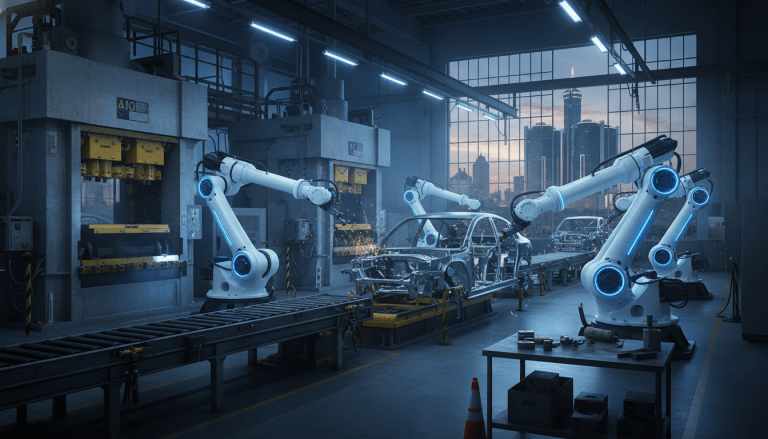


For over a century, the concept of Detroit automotive engineering was defined by mechanical prowess—pistons, powertrains, and the rhythmic hum of the internal combustion engine. However, as 2025 approaches, the skill set required to keep the Motor City moving is undergoing a radical transformation. As the industry pivots toward electrification and software-defined vehicles (SDVs), the region’s engineering landscape is shifting from hardware-centric roles to a high-stakes demand for coding and systems integration talent.
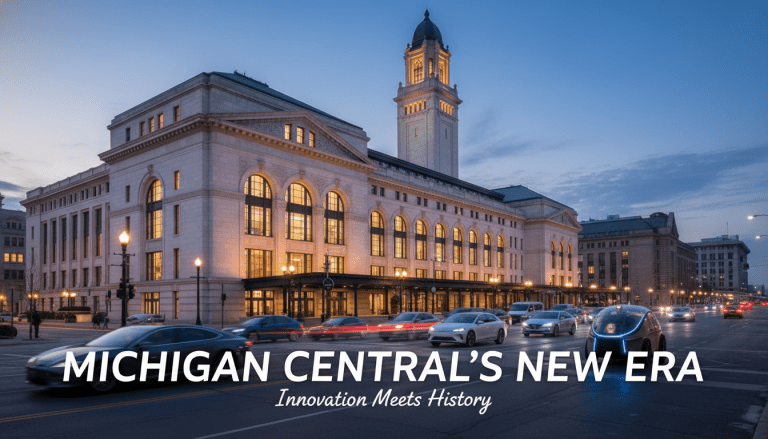
This transition is not merely a corporate strategy for the Big Three; it is a fundamental economic shift that is reshaping the workforce, educational pipelines, and the very fabric of Detroit’s economy. With major hubs like Ford’s Michigan Central Station in Corktown coming online, the city is positioning itself not just as a manufacturing capital, but as a global nexus for mobility technology.
The Shift to Software-Defined Vehicles
The modern vehicle is increasingly viewed as a computer on wheels. According to reports from MICHauto, a statewide economic development initiative, the demand for electrical and software engineers in the automotive sector has outpaced traditional mechanical engineering roles in recent hiring cycles. This trend reflects the industry’s broader goal: creating vehicles that can update over the air, drive autonomously, and integrate seamlessly with smart city infrastructure.
“The car is becoming the ultimate mobile device,” said an industry analyst noting the trend in local hiring. “Detroit automotive engineering is no longer just about how the car moves mechanically, but how it thinks, processes data, and interacts with the grid.”
General Motors and Ford have both heavily invested in converting their engineering centers into tech campuses that rival those found in Silicon Valley. This shift aims to attract talent that might otherwise look to the West Coast, anchoring them instead in Southeast Michigan. The U.S. Bureau of Labor Statistics projects that employment in architecture and engineering occupations is projected to grow faster than the average for all occupations, with a specific concentration in the battery and software sectors critical to Detroit’s future.
Impact on Detroit Residents and the Local Workforce
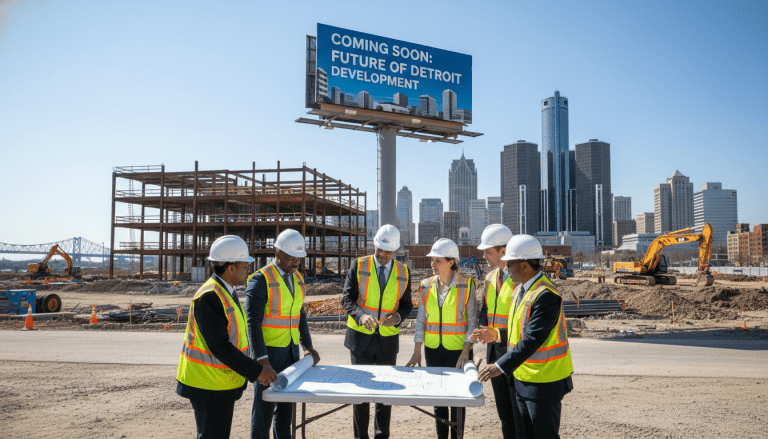
For Detroit residents, this evolution presents both opportunities and challenges. The influx of high-tech engineering roles contributes to the demand for Detroit real estate, particularly in revitalized neighborhoods near innovation districts. However, it also raises questions about workforce readiness for long-time locals.
Local workforce development organizations are working to bridge the gap. Programs partnering with the City of Detroit are focusing on upskilling workers who have backgrounds in traditional manufacturing, teaching them the digital literacy required for modern assembly and testing environments. The goal is to ensure that the economic benefits of the Detroit automotive engineering boom are not reserved solely for imported talent.
Community leaders have emphasized that while the arrival of thousands of tech-focused engineers boosts the local tax base and supports local small businesses and restaurants, there must be a concerted effort to connect Detroit high school students with STEM education to create a homegrown pipeline of talent.
Educational Institutions Adapting to the New Standard
The academic sector in Southeast Michigan is reacting swiftly to industry signals. Wayne State University and the University of Michigan have revamped their engineering curricula to emphasize mechatronics, artificial intelligence, and cybersecurity in automotive applications.
Faculty at local universities have noted a surge in enrollment for electrical engineering and computer science programs, driven by the clear hiring mandates from Stellantis, GM, and Ford. “The students know where the jobs are,” a Wayne State administrator noted. “They understand that understanding the battery chemistry and the software stack is just as important today as understanding the transmission was thirty years ago.”
The Role of Batteries and Infrastructure
Beyond the vehicle itself, Detroit automotive engineering is now deeply intertwined with infrastructure. The deployment of EV charging networks requires civil and electrical engineers to work in tandem with city planners. This is visible in the recent upgrades to Detroit’s grid and the installation of public charging stations across the metro area.
State incentives have encouraged battery manufacturers to set up shop in Michigan, creating a feedback loop where engineering design and manufacturing proximity remain a competitive advantage for Detroit. Keeping the R&D close to the production lines allows for faster iteration, a crucial factor as legacy automakers race against agile competitors like Tesla and Rivian.
Future Outlook for the Motor City
As 2025 progresses, the definition of what it means to work in the auto industry will continue to blur. The convergence of tech and manufacturing suggests that Detroit’s next golden era will be defined by intellectual property as much as industrial capacity.
While the transition causes friction—evident in changing labor negotiations and the restructuring of salaried teams—the trajectory remains clear. Detroit is intent on retaining its title as the automotive capital of the world, even if the engine of that capital is now written in code.