
By Sarah Jenkins
Published: October 24, 2023
Location: Detroit, Michigan
Detroit Automotive R&D Shifts Gears Toward Electric and Autonomous Future
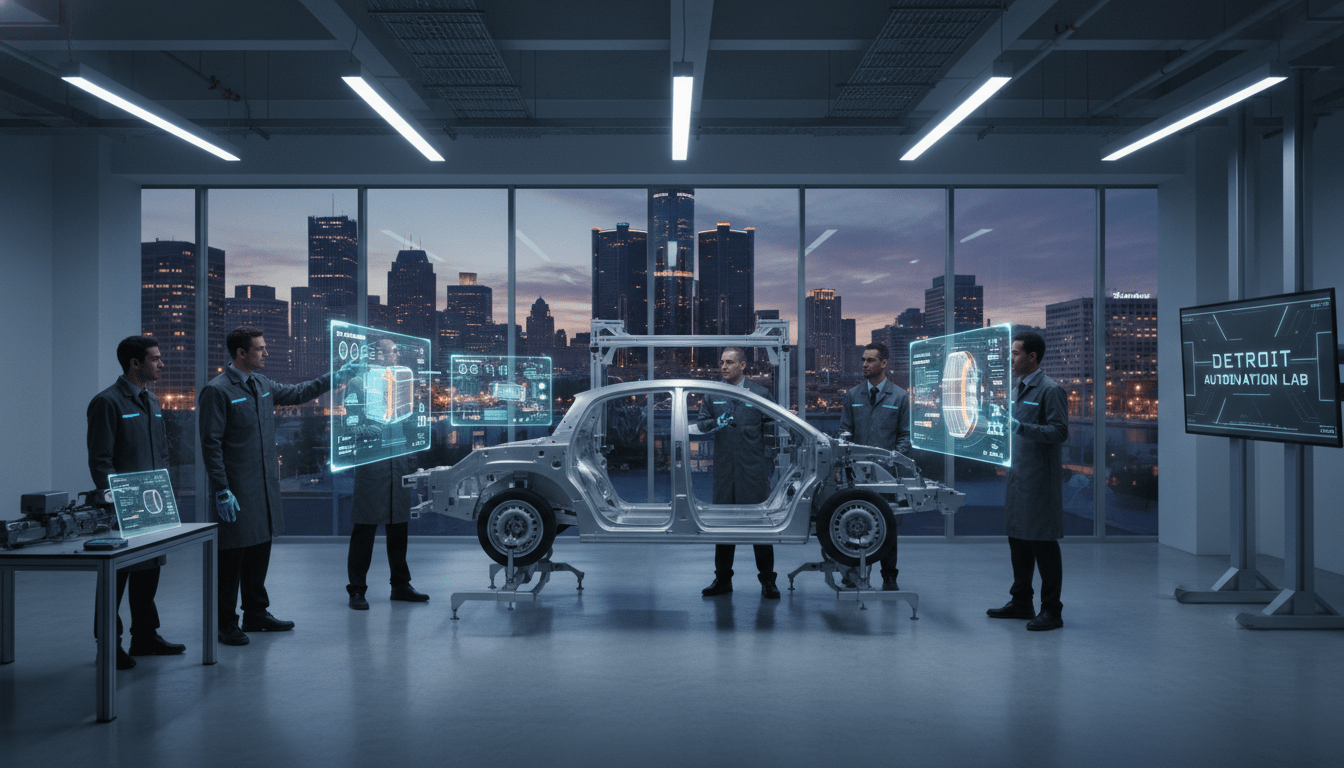
Detroit, long hailed as the world’s manufacturing capital, is undergoing a profound identity shift. While the assembly lines remain a staple of the region’s heritage, the engine driving the city’s modern economy is increasingly digital. A surge in Detroit automotive R&D (Research and Development) is transforming the Motor City into a global hub for electric vehicle (EV) battery technology and autonomous driving software.
As the "Big Three" automakers—General Motors, Ford, and Stellantis—race to meet aggressive electrification targets for 2030 and beyond, the physical footprint of the city is changing. From the restoration of Michigan Central Station to the expansion of tech centers in Warren and Auburn Hills, the focus has moved from horsepower to computing power.
The Rise of Engineering Hubs
According to reports from MichAuto, a division of the Detroit Regional Chamber, the demand for software engineers and electrical specialists in Southeast Michigan has outpaced traditional mechanical engineering roles for the first time in decades. This shift is visible in the massive capital investments being poured into local R&D centers.
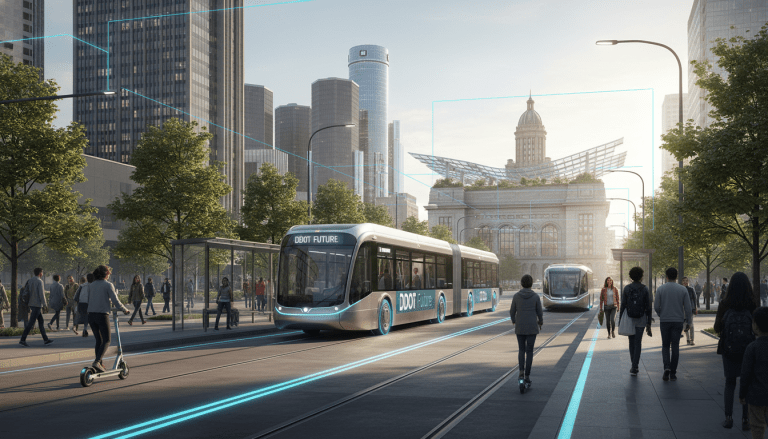
Ford’s mobility innovation district at Michigan Central in Corktown stands as a prime example. The campus is designed not just for vehicle design, but as a testbed for mobility solutions that interact with city infrastructure. Similarly, General Motors continues to expand capabilities at its Global Technical Center, focusing heavily on the Ultium battery platform that underpins its future fleet.
"The conversation in Detroit is no longer just about how many cars we can build, but how smart we can make them," said an industry analyst from the Center for Automotive Research. "This requires a completely different type of R&D infrastructure."
Impact on Detroit Residents and the Job Market
For local residents, this transition presents both opportunities and challenges. The boom in Detroit automotive R&D is creating high-paying jobs, attracting talent from Silicon Valley and rival tech hubs. However, it also emphasizes the need for workforce retraining.
Local educational institutions, including Wayne State University and the University of Michigan, are partnering with automakers to update curriculums. The goal is to ensure that Detroiters are equipped with the coding and electrical engineering skills required to fill these new roles, rather than importing all talent from out of state.
You can read more about local employment trends in our coverage of Detroit jobs and startups.
Background & Data: The Investment Landscape
The numbers backing this shift are substantial. Recent data suggests that billions of dollars have been earmarked specifically for EV and software development within Michigan over the next five years. The Michigan Department of Technology, Management & Budget indicates that engineering services jobs in the state have seen steady growth, resilient even against broader economic headwinds.
Furthermore, the competition is fierce. With Tesla in Texas and various startups in California, Detroit’s legacy automakers are leveraging their massive R&D centers to scale technology faster than their rivals. The integration of artificial intelligence (AI) into vehicle safety systems is a key battleground where Detroit aims to lead.
What Happens Next?
Looking ahead to 2025, the landscape of Detroit automotive R&D will likely focus on battery range efficiency and solid-state battery technology. As infrastructure bills continue to support EV charging networks, the research conducted in Detroit laboratories today will determine how Americans travel tomorrow.
For the city, the hope is that this research renaissance will have a ripple effect, supporting small businesses and stabilizing the local real estate market. To stay updated on how these developments affect the city’s growth, check our section on Detroit development news.