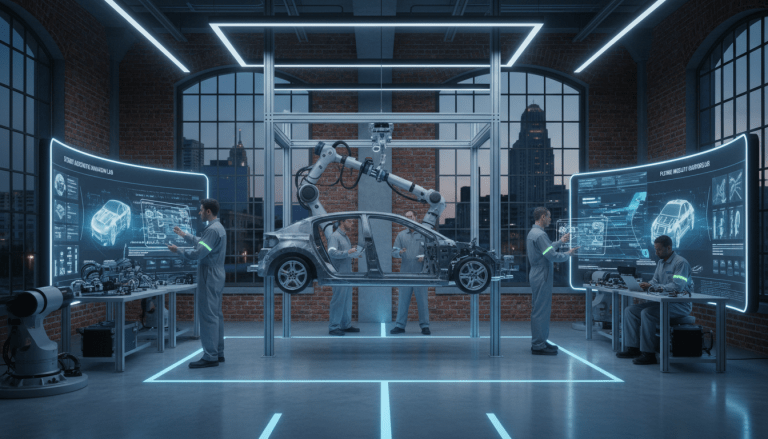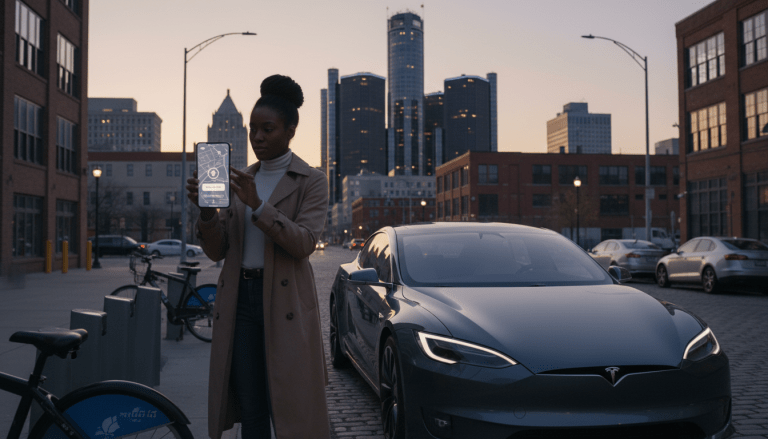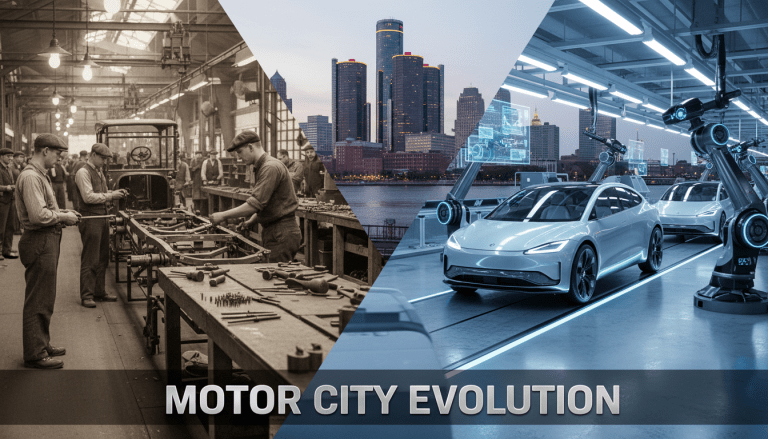

Detroit, long recognized as the automotive capital of the world, is aggressively pivoting to secure its future as the global leader in autonomous vehicle research. As traditional manufacturing evolves, the Motor City is becoming a testing ground for the software, sensors, and artificial intelligence that will define the next century of mobility. From the corridors of the newly revitalized Michigan Central to the test tracks of the University of Michigan, the region is seeing billions in investment aimed at solving the complex puzzle of self-driving technology.
While Silicon Valley initially grabbed headlines for tech innovation, Detroit has countered by leveraging its deep engineering roots and manufacturing infrastructure. Major automakers like Ford and General Motors, alongside a growing ecosystem of startups and academic institutions, are doubling down on research and development (R&D) to ensure that the cars of the future are not just designed in California, but engineered and built in Michigan.
The Epicenter of Innovation: Michigan Central
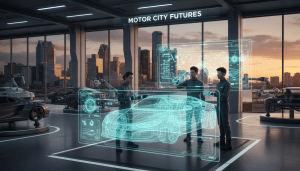
A focal point of this renewed drive is the Michigan Central innovation district in Corktown. Spearheaded by Ford Motor Company, the restoration of the iconic train station is more than a historic preservation project; it is the anchor of a 30-acre mobility campus. According to Ford, the district is designed to bring together thousands of mobility innovators, researchers, and entrepreneurs to collaborate on real-world solutions for autonomous transportation.
“The convergence of automotive hardware and advanced software is happening right here,” said a spokesperson for the Michigan Central development team. “We are creating a density of talent that doesn’t exist anywhere else, allowing for rapid prototyping and testing of autonomous vehicle research concepts in a real urban environment.”
This physical proximity is crucial. Unlike closed tracks, the Michigan Central district allows for testing technologies in mixed-reality environments, simulating the unpredictable nature of urban traffic—a critical hurdle that autonomous systems must clear before widespread adoption.
Testing Grounds: From Mcity to Public Roads
Beyond the city limits, the broader Southeast Michigan region offers some of the most advanced testing facilities in the world. The University of Michigan’s Mcity remains a premier proving ground for connected and automated vehicles. Mcity Test Facility, a purpose-built mock city, allows researchers to repeat dangerous driving scenarios—such as pedestrians stepping out from behind parked cars—without risking actual human lives.
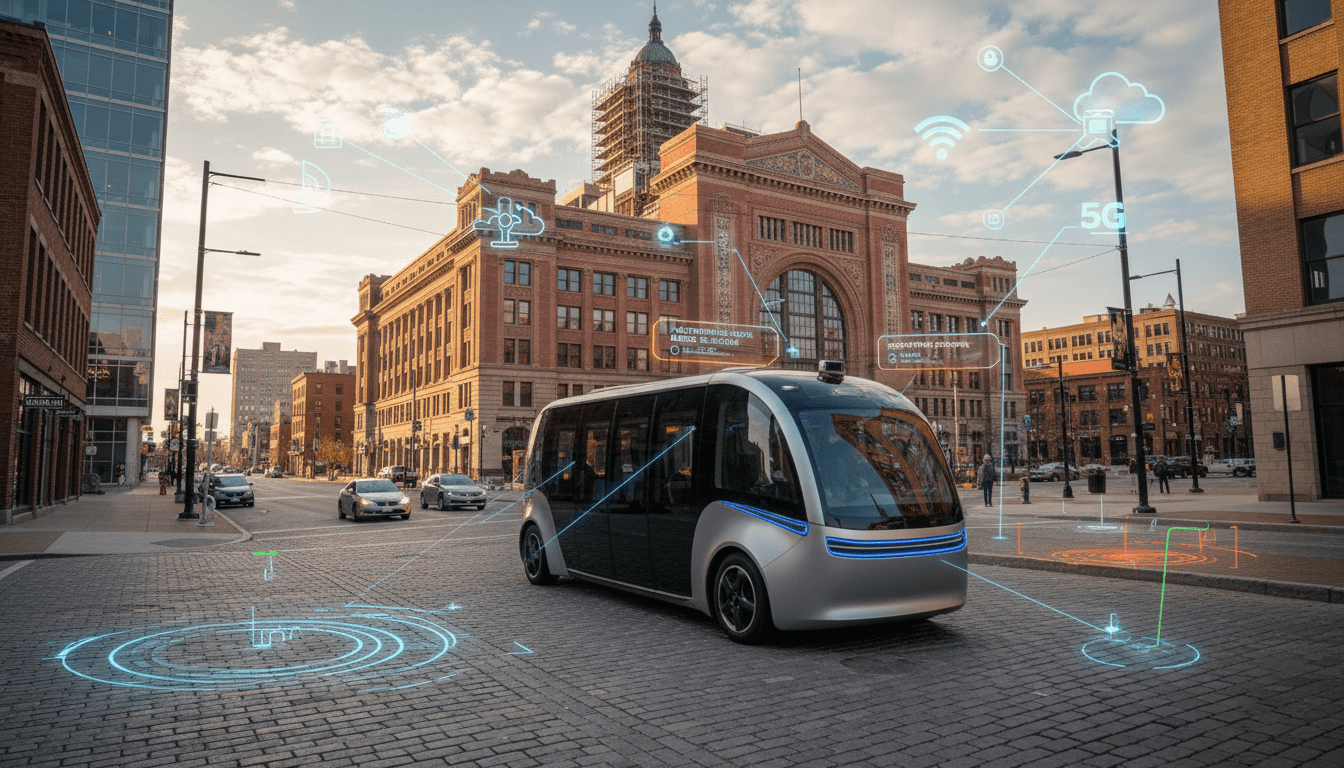
Data from Mcity is frequently cited by federal regulators and industry leaders as they attempt to establish safety standards for the industry. Recently, researchers there have focused on how autonomous vehicles communicate with infrastructure, such as traffic lights and crosswalk signals, a concept known as V2I (Vehicle-to-Infrastructure) communication.
Furthermore, the American Center for Mobility (ACM) in Ypsilanti provides a massive highway-speed testing environment. Local partnerships between these institutions and the City of Detroit have facilitated the deployment of sensor-laden research vehicles on designated public corridors, turning parts of Detroit into living laboratories.
Impact on Detroit Residents
For the average Detroiter, the surge in autonomous vehicle research brings both promise and questions. The most immediate impact is economic. As the industry shifts, the demand for traditional assembly line roles is being supplemented by a need for technicians, data analysts, and software engineers. This shift presents an opportunity for workforce development programs to upskill the local population.
According to the Workforce Intelligence Network for Southeast Michigan, demand for occupations related to smart mobility and cybersecurity has outpaced general labor market growth. City officials are keen to ensure these high-paying jobs remain accessible to residents. “Our priority is connecting Detroiters to the growing job market within the mobility sector,” stated a representative from the Detroit mayor’s office during a recent workforce summit.
Additionally, the technology promises safety benefits. Detroit, like many major cities, struggles with traffic fatalities. Proponents argue that fully autonomous systems, which do not get tired, distracted, or impaired, could drastically reduce accidents on major thoroughfares like Jefferson Avenue and Gratiot Avenue. However, public skepticism remains high, and residents often express concern about the safety of sharing the road with robot-driven cars during the testing phase.
Challenges and Safety Protocols
The path forward is not without significant hurdles. The industry has faced scrutiny following high-profile accidents involving driverless cars in other states. In response, Detroit-based automakers have adopted a more cautious, safety-first approach compared to some of their tech-industry rivals.
General Motors’ subsidiary, Cruise, has faced regulatory challenges that have paused some operations nationwide, but the company emphasizes that its commitment to safety remains paramount. In Detroit, testing protocols are rigorous. The Michigan Department of Transportation (MDOT) requires manufacturers to adhere to strict insurance and reporting guidelines before their research vehicles hit public pavement.
“We are not in a race to be first; we are in a race to be right,” is a sentiment often echoed by executives at the North American International Auto Show. This measured approach aims to build public trust, which researchers argue is the single most valuable currency in the autonomous vehicle race.
Data and Future Outlook
The financial stakes are immense. Reports from the Center for Automotive Research indicate that billions have been poured into autonomous vehicle research in Michigan over the last five years. The state leads the nation in connected vehicle infrastructure projects, with hundreds of miles of tech-enabled corridors.
Looking ahead into 2025 and beyond, the focus is shifting from passenger cars to commercial logistics. Autonomous trucking and last-mile delivery bots are likely to be the first widespread applications of the technology seen on Detroit streets. This evolution is vital for the city’s logistics and supply chain sector, potentially reducing shipping costs for local businesses.
As Detroit continues to reinvent itself, the integration of silicon and steel defines its new identity. While the fully self-driving car may still be years away from being a household staple, the research happening today in the shadow of the Renaissance Center is ensuring that when that future arrives, it will speak with a Detroit accent.