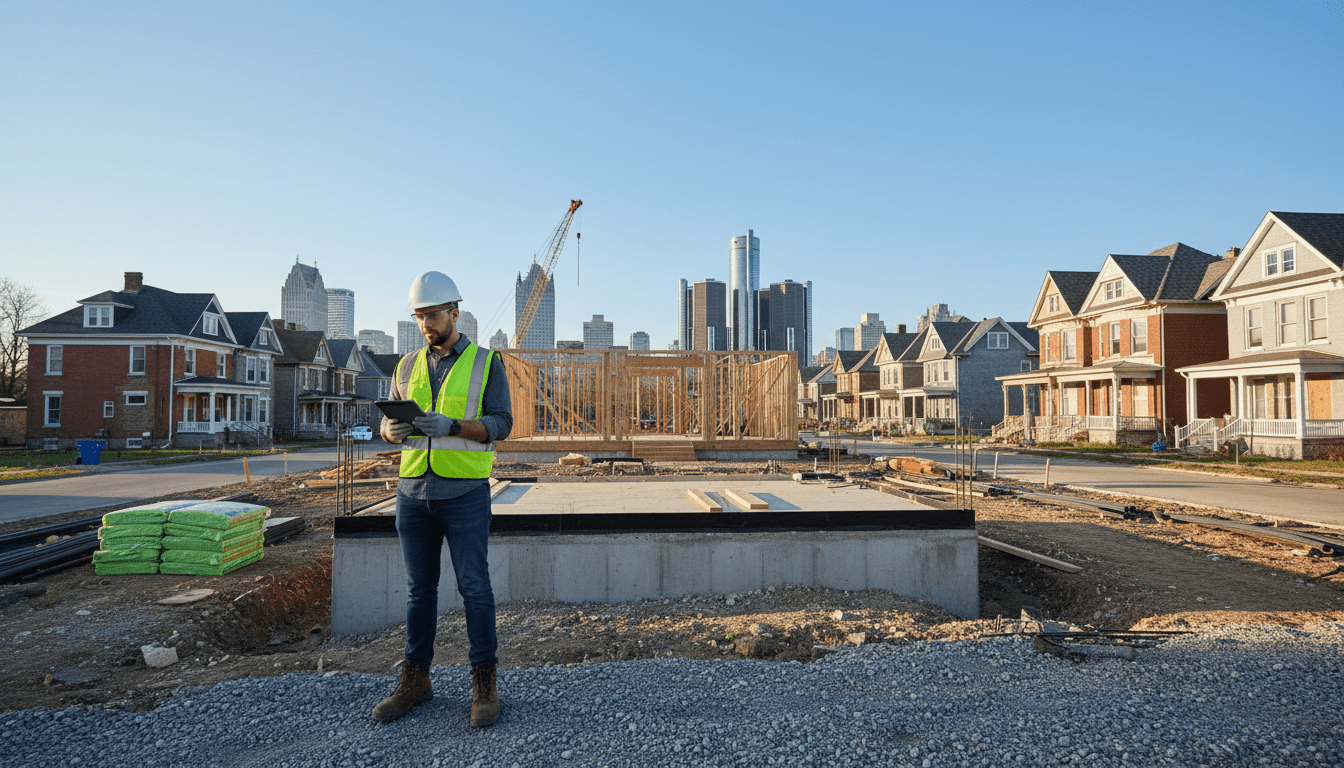
Detroit’s construction sector is experiencing a significant uptick in activity, a trend clearly reflected in the latest data regarding Detroit building permits. As the city continues its trajectory of economic recovery and neighborhood revitalization, the Buildings, Safety Engineering, and Environmental Department (BSEED) has reported a steady increase in both residential and commercial applications over the last fiscal quarter. This surge suggests a robust confidence in the local real estate market, driven by both large-scale developments and individual homeowner renovations.
For years, contractors and residents alike voiced concerns regarding the speed of bureaucratic processes. However, recent initiatives to digitize applications and streamline inspections appear to be paying dividends, reducing wait times and encouraging code compliance across the city.
A Data-Driven Look at Construction Activity
According to the City of Detroit’s Open Data Portal, the volume of issued permits has risen year-over-year. This increase is not isolated to the downtown core; it is distributed across various neighborhoods, indicating a widespread investment in the city’s housing stock. The data reveals a mix of structural, electrical, and mechanical permits, pointing toward comprehensive renovations rather than merely cosmetic updates.
“The numbers tell a story of sustained growth,” noted a report analyzing local municipal data. “When you see a rise in foundational and structural permits, it indicates long-term capital investment rather than speculative flipping.”
Large-scale projects, such as the ongoing development at the Hudson’s site and the Michigan Central Station district, account for a significant portion of the valuation. However, in terms of raw volume, residential improvements dominate the landscape. This aligns with the city’s broader goals of blight removal and increasing the density of habitable housing.
Digital Transformation Speeds Up Approvals
One of the primary drivers behind the efficient processing of Detroit building permits is the city’s shift toward digital platforms. The implementation of the eLAPS (Electronic Licensing and Permits System) has allowed contractors and homeowners to submit plans, pay fees, and schedule inspections online, drastically reducing the need for in-person visits to the Coleman A. Young Municipal Center.
Local contractors have noted the shift. While complex projects still require rigorous review to ensure public safety, the turnaround time for standard maintenance and alteration permits has improved. This efficiency is critical for keeping construction timelines on track, particularly given the seasonal constraints of building in Michigan.
For more context on how infrastructure changes are supporting this growth, read our coverage on Detroit infrastructure updates helping local developers.
Impact on Detroit Residents
For the average Detroiter, the nuances of the permitting office might seem distant, but the impact is local and immediate. A functioning, efficient permitting system is essential for safety and property values. When barriers to obtaining permits are lowered, homeowners are more likely to perform work legally. This ensures that renovations meet safety codes, reducing fire risks and electrical hazards in neighborhoods.
Furthermore, the rise in permitted work combats the issue of “shadow construction,” where substandard work is performed off the books. By bringing more construction activity into the light, the city ensures better housing quality for tenants and future buyers.
Community advocacy groups have long argued that simplifying the bureaucracy is a matter of equity. Older homes in historic neighborhoods often require significant upkeep. Making the Detroit building permits process more accessible means that long-time residents have a better chance of maintaining their family homes without being bogged down by red tape or predatory fines.
The Role of the Land Bank
The Detroit Land Bank Authority (DLBA) continues to be a major catalyst for permit activity. As thousands of properties are auctioned to private owners, each sale triggers a compliance agreement requiring the new owner to bring the property up to code within a specific timeframe. This pipeline creates a steady demand for permits.
Rehabbers working on DLBA homes must navigate the permitting system to obtain a Certificate of Acceptance. This mechanism serves as a check-and-balance system, ensuring that previously blighted homes are returned to the tax rolls as safe, habitable structures.
For those interested in the housing market’s trajectory, check our analysis on Detroit real estate market trends.
Economic Implications and Future Outlook
The revenue generated from permit fees is reinvested into the department, allowing for the hiring of more inspectors and plan reviewers. This cyclical growth helps prevent bottlenecks as construction volume increases. Moreover, an active construction sector is a leading economic indicator. It signifies job creation for skilled tradespeople—carpenters, electricians, and plumbers—within the city limits.
Looking ahead to the remainder of 2024 and into 2025, experts anticipate the volume of permit applications to remain high, provided interest rates stabilize. The City of Detroit has also expressed intentions to further integrate technology into the review process, potentially utilizing AI-assisted tools to check for basic code compliance in architectural drawings, which could further expedite timelines.
While challenges remain—specifically regarding the shortage of skilled labor to fulfill these permitted projects—the data suggests that Detroit is building its way toward a denser, more revitalized future. The streamlined approach to handling Detroit building permits is a foundational element of this progress, ensuring that the city’s physical growth is safe, legal, and sustained.