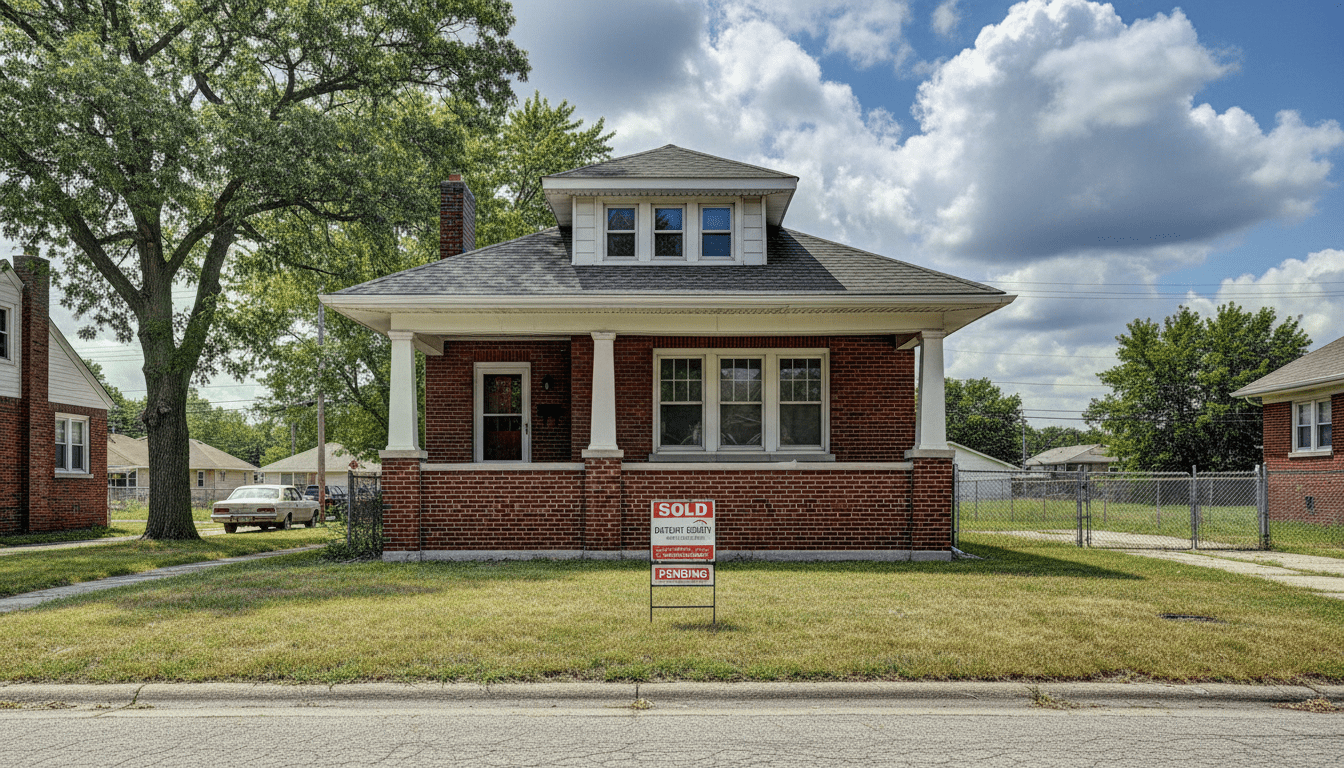
In the evolving landscape of Detroit real estate, a distinct trend has solidified its hold on the city’s housing inventory: the dominance of all-cash transactions. While interest rates fluctuate nationally, hindering traditional mortgage approvals, the influx of Detroit cash home buyers has continued to alter the dynamics of buying and selling property within the city limits. This shift presents a complex scenario for long-time residents, aspiring homeowners, and city planners alike.
Data from recent housing market reports indicates that Detroit consistently ranks among the top cities in the nation for the percentage of homes purchased without a mortgage. This phenomenon is driven by a combination of relatively low property entry costs compared to coastal markets and a surge in investor interest.
The Mechanics of the Cash Market
The term “cash buyer” in Detroit encompasses a wide spectrum of actors. It ranges from large institutional investors and hedge funds scooping up portfolios of single-family homes to local flippers and recognized “We Buy Houses” companies looking for distressed properties. According to data from the National Association of Realtors (NAR), cash sales have accounted for a significant portion of transactions in the Midwest, with Detroit seeing numbers well above the national average.
For sellers, particularly those holding properties in need of significant repair, Detroit cash home buyers offer a speed and convenience that traditional bank-financed buyers cannot match. Cash offers bypass the often lengthy appraisal and inspection contingencies required by mortgage lenders. However, housing advocates warn that this convenience often comes at a price—quite literally—with sellers often accepting offers below market value in exchange for liquidity.
Impact on Detroit Residents and Neighborhoods
The prevalence of cash transactions has a two-fold impact on the local population. For homeowners looking to exit the market quickly—perhaps due to inherited property or financial distress—these buyers provide an immediate off-ramp. However, for Detroiters attempting to purchase their first home, the environment is increasingly competitive.
“It is becoming incredibly difficult for a family with a traditional FHA mortgage pre-approval to compete against an investor offering cash on the spot,” said a local real estate analyst familiar with Wayne County trends. “The seller is naturally incentivized to take the sure thing, leaving local families obtaining financing out in the cold.”
This dynamic can lead to a shift in neighborhood composition, moving from owner-occupied density to a higher concentration of rental properties. Residents have expressed concerns during local community council meetings regarding the maintenance standards of properties acquired by remote cash investors.
Why Detroit Cash Home Buyers Are Dominating
Several economic factors are fueling this specific sector of the real estate market:
- Interest Rates: With mortgage rates hovering at higher levels, the cost of borrowing has reduced the pool of traditional buyers, leaving the field open for those with liquid capital.
- Inventory Condition: A significant portion of Detroit’s housing stock requires renovations that exceed the limits of standard lending products. Cash buyers are often the only ones willing to take on properties with structural or mechanical deficiencies.
- Land Bank Influence: The Detroit Land Bank Authority has historically utilized auction models that favor buyers with immediate funds to rehabilitate blighted structures, normalizing the cash-for-deed process in the city.
Risks and Consumer Protections
While legitimate investors play a crucial role in revitalizing blight, the sector is also rife with predatory practices. Officials warn residents to be wary of aggressive marketing tactics. Wholesalers—intermediaries who sign a contract with a seller only to assign that contract to a third-party investor for a fee—are common in the Detroit cash home buyers ecosystem.
Legal experts advise sellers to thoroughly vet any entity offering a quick cash sale. “If a deal sounds too good to be true, or if the pressure to sign is intense, that is a red flag,” noted a representative from a local housing non-profit. Sellers are encouraged to seek independent appraisals to understand the true market value of their home before engaging with instant-offer companies.
The Future of Detroit’s Housing Market
The City of Detroit continues to implement programs aimed at increasing homeownership among residents, such as down payment assistance grants. These initiatives are designed to level the playing field, giving mortgage-dependent buyers a fighting chance against cash investors.
For more coverage on how local policies are addressing these disparities, read our report on new housing assistance programs launched this year.
As the market stabilizes, the balance between investor activity and resident homeownership will likely remain a focal point of Detroit’s economic policy. While cash buyers provide necessary liquidity and renovation capital for distressed inventory, the long-term goal remains ensuring that Detroiters have a fair shot at owning a piece of their city.