
By Sarah Jenkins
Published: October 24, 2023
Location: Detroit, Michigan
Detroit Accelerates Rollout of Connected Vehicle Technology to Improve Road Safety
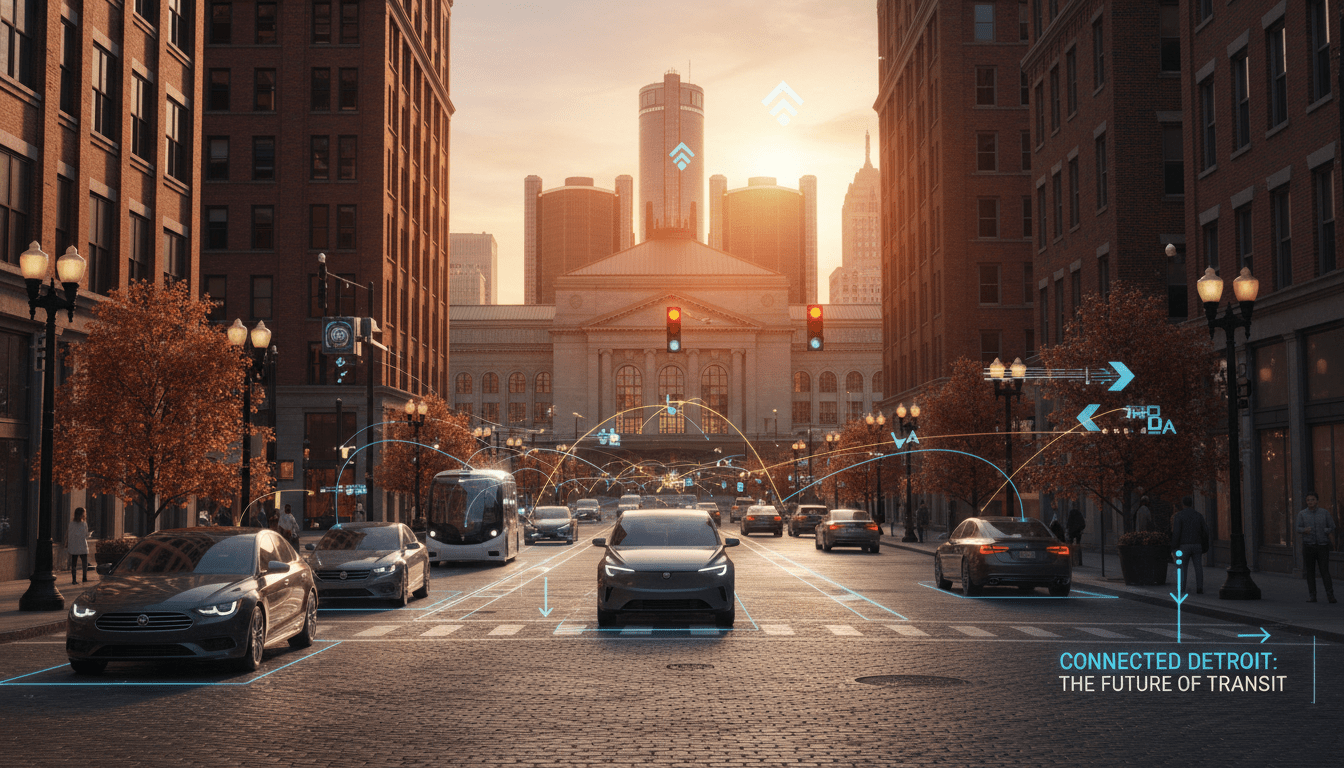
Detroit is reinforcing its status as the global center of mobility innovation, with city planners and automotive giants collaborating to expand connected vehicle technology across the metropolitan area. As the industry shifts from traditional manufacturing to high-tech mobility solutions, Detroit’s streets are becoming a living laboratory for Vehicle-to-Everything (V2X) communication.
This initiative, driven by partnerships between the Michigan Department of Transportation (MDOT), the City of Detroit, and private automakers, aims to create a digital infrastructure that allows cars to “talk” to traffic signals, pedestrian crossings, and each other. The goal is to drastically reduce traffic accidents and improve congestion in the Motor City.
Transforming Infrastructure with V2X
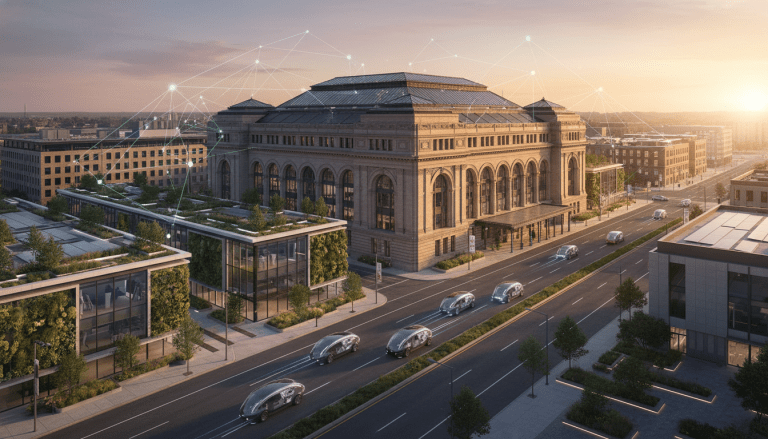
At the heart of this transformation is the deployment of connected vehicle technology along key corridors, including the bustling Michigan Avenue and areas surrounding the newly revitalized Michigan Central innovation district in Corktown. According to MDOT, Michigan currently leads the nation in deployable vehicle-to-infrastructure (V2I) miles.
The technology works by using short-range communications to send data between vehicles and roadside units. For example, a connected traffic light can warn an approaching driver that the signal is about to turn red, or alert them to a pedestrian crossing the street who might be obscured by a parked truck.
“We are moving beyond testing and into real-world application,” said a spokesperson for the American Center for Mobility during a recent industry panel. “Detroit is building the blueprint for how smart cities will manage traffic in the 21st century.”
Impact on Detroit Residents
For the average Detroiter, the expansion of connected vehicle technology promises tangible benefits beyond just industry buzzwords. The primary focus is safety. Data from the National Highway Traffic Safety Administration (NHTSA) suggests that V2X technology could eliminate or mitigate up to 80% of non-impaired crashes.
Residents can expect:
- Safer Intersections: Real-time alerts can prevent t-bone collisions at dangerous intersections.
- Smoother Commutes: Adaptive traffic signals that communicate with vehicle flow can adjust timing to reduce bottlenecks during rush hour.
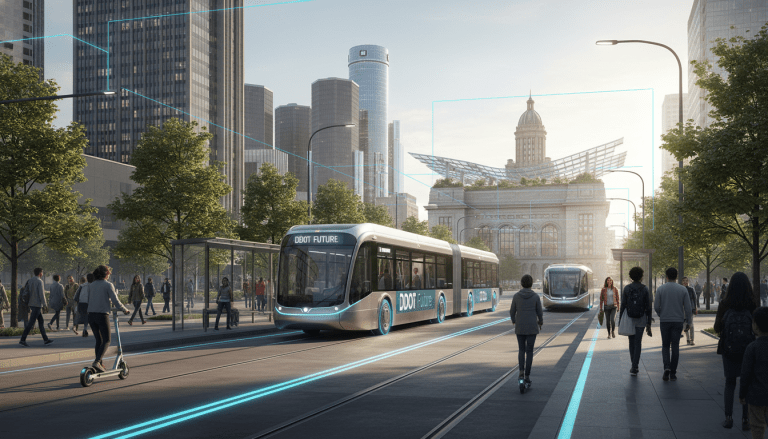
- Public Transit Improvements: Local transportation updates indicate that SMART buses are being equipped with signal priority technology, helping public transit stay on schedule.
Background & Data
Michigan has invested significantly in maintaining its dominance in the auto sector. The University of Michigan’s Mcity and the American Center for Mobility have been instrumental in testing these technologies before they hit public roads. Recently, Detroit received attention for utilizing federal SMART grants to enhance its smart sensor capabilities.
According to a report by the Michigan Department of Transportation, the state has already installed hundreds of roadside units capable of communicating with equipped vehicles. As major automakers like Ford and GM—both deeply rooted in Detroit—pledge to include V2X hardware in upcoming models, the synergy between the cars and the city’s infrastructure is set to grow.
What Happens Next
The next phase of deployment focuses on increasing the density of smart intersections and ensuring that the data collected is secure and private. City officials are also looking at how this technology can support autonomous vehicle testing, further cementing Detroit’s reputation in the tech world.
While widespread consumer adoption depends on fleet turnover, the infrastructure being laid down today ensures that Detroit remains ahead of the curve. As Detroit neighborhoods continue to develop, the integration of smart technology into the urban fabric will be a defining characteristic of the city’s comeback story.