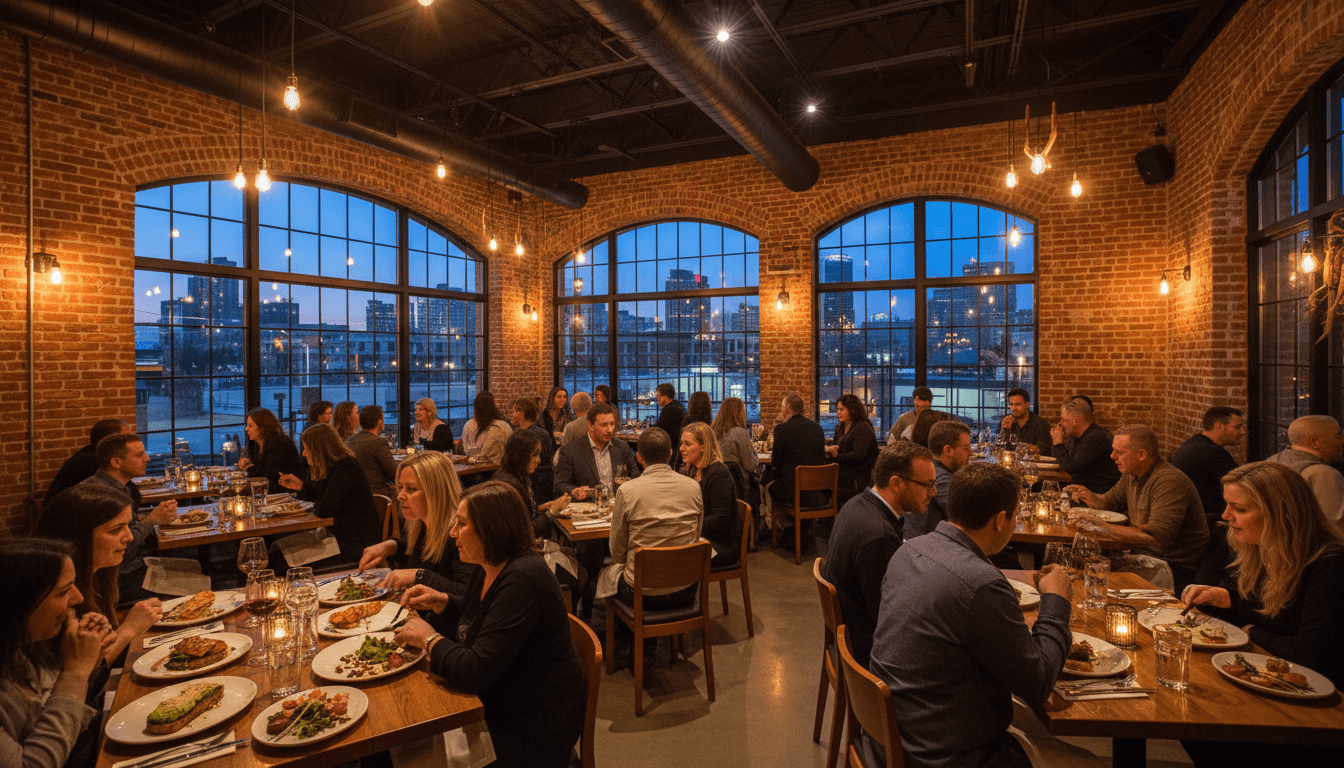
Once defined primarily by its automotive prowess and Motown legacy, Detroit is undergoing a significant transformation that is placing it squarely on the global map for a different reason: its food. The Detroit culinary scene has shifted rapidly over the last five years, moving from local comfort staples to a sophisticated, diverse landscape that is attracting national awards and driving substantial economic activity in the region.
According to recent reports from the Michigan Restaurant & Lodging Association (MRLA), the hospitality sector in Southeast Michigan has seen a steady rebound following the pandemic, with Detroit leading the charge in new independent restaurant openings. This resurgence is not merely about dining; it is becoming a cornerstone of the city’s broader economic development strategy, influencing tourism, real estate, and neighborhood revitalization.
From Coneys to James Beard Awards
For decades, Detroit’s food identity was inextricably linked to the Coney Island hot dog and Detroit-style pizza. While these staples remain beloved, the narrative has expanded. In recent years, Detroit chefs and restaurateurs have been consistent semi-finalists and winners in the prestigious James Beard Foundation Awards, signaling a shift in quality and innovation.
Industry analysts point to a unique convergence of factors fueling this rise. Lower commercial rents compared to coastal cities like New York or Los Angeles have allowed chefs to take creative risks. Furthermore, the city’s diverse demographic makeup has led to a boom in authentic global cuisines, ranging from West African and Hmong to elevated soul food and fusion concepts.
Local business owners attribute this success to a collaborative rather than competitive atmosphere. Many restaurateurs in neighborhoods like Corktown and the West Village report that the community support within the industry has been vital for survival and growth, particularly while navigating supply chain volatility.
Impact on Detroit Residents and Neighborhoods
The expansion of the Detroit culinary scene has tangible effects on local residents, presenting a complex mix of opportunities and challenges. On one hand, the hospitality boom has created thousands of jobs. Data from the Detroit Economic Growth Corporation suggests that the service industry is currently one of the fastest-growing employment sectors in the city, providing pathways for entrepreneurship and management careers.
However, the rapid development of dining hubs has also sparked conversations regarding gentrification. As high-profile restaurants open in historically underinvested neighborhoods, property values rise, which can impact long-term residents. Community leaders have emphasized the need for development that is inclusive.
“The goal is to ensure that the economic benefits of these new establishments circulate within the community,” said a representative from a local neighborhood development corporation during a recent town hall. “We want to see residents not just dining in these spaces, but owning them and supplying them.”
For more on how local businesses are navigating these economic shifts, read our coverage on Detroit business startups and economic trends.
Economic Data and Tourism Trends
The financial impact of the restaurant renaissance is measurable. According to data from the Detroit Metro Convention & Visitors Bureau, culinary tourism is identified as a primary driver for visitors to the city. Travelers are increasingly citing specific restaurants or food festivals as their main reason for visiting Detroit, a trend that supports hotels, retail, and transportation services.
Statistics indicate that for every dollar spent in a local restaurant, a significant portion remains in the local economy, circulating through wages, local agricultural suppliers, and service providers. This multiplier effect is crucial for Detroit’s post-bankruptcy recovery phase.
Furthermore, the focus on “farm-to-table” sourcing has strengthened the relationship between urban restaurants and Michigan’s agricultural sector. This supply chain connection helps insulate the local market somewhat from international shipping delays, though inflation remains a pressing concern for menu pricing.
Challenges Facing the Industry
Despite the accolades, the path forward is not without obstacles. Inflationary pressures on food costs and a persistent labor shortage continue to squeeze profit margins. While the Detroit culinary scene is thriving creatively, the operational reality is harsh.
Many restaurant owners have had to adjust their business models, reducing operating hours or simplifying menus to maintain quality without burning out staff. Reports indicate that wage growth in the Detroit hospitality sector has outpaced the national average as employers compete for skilled talent, a win for workers but a strain on small business cash flows.
Additionally, infrastructure improvements are needed to support these growing districts. Issues regarding parking, public transportation, and waste management have been raised by business associations in areas like Midtown and Southwest Detroit.
What Happens Next?
Looking ahead, the momentum shows no signs of slowing. Several large-scale mixed-use developments are slated for completion in late 2025, many of which are anchored by food halls or flagship restaurants. There is also a growing trend toward “social dining” experiences and sustainable, zero-waste kitchen practices gaining traction among the city’s younger chefs.
The integration of technology is also reshaping how Detroit eats, with more establishments adopting reservation systems and digital ordering platforms that were popularized during the pandemic but have now become permanent fixtures.
As the city prepares to host major events in the coming years, including increased sports tourism discussed in our analysis of the Detroit Lions’ economic impact, the restaurant industry stands ready to serve as the city’s cultural ambassadors.
Ultimately, the evolution of Detroit’s food landscape reflects the resilience and creativity of the city itself. It is a sector that has grown from the ground up, fueled by local talent and an appetite for reinvention.