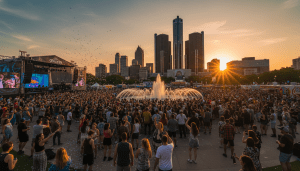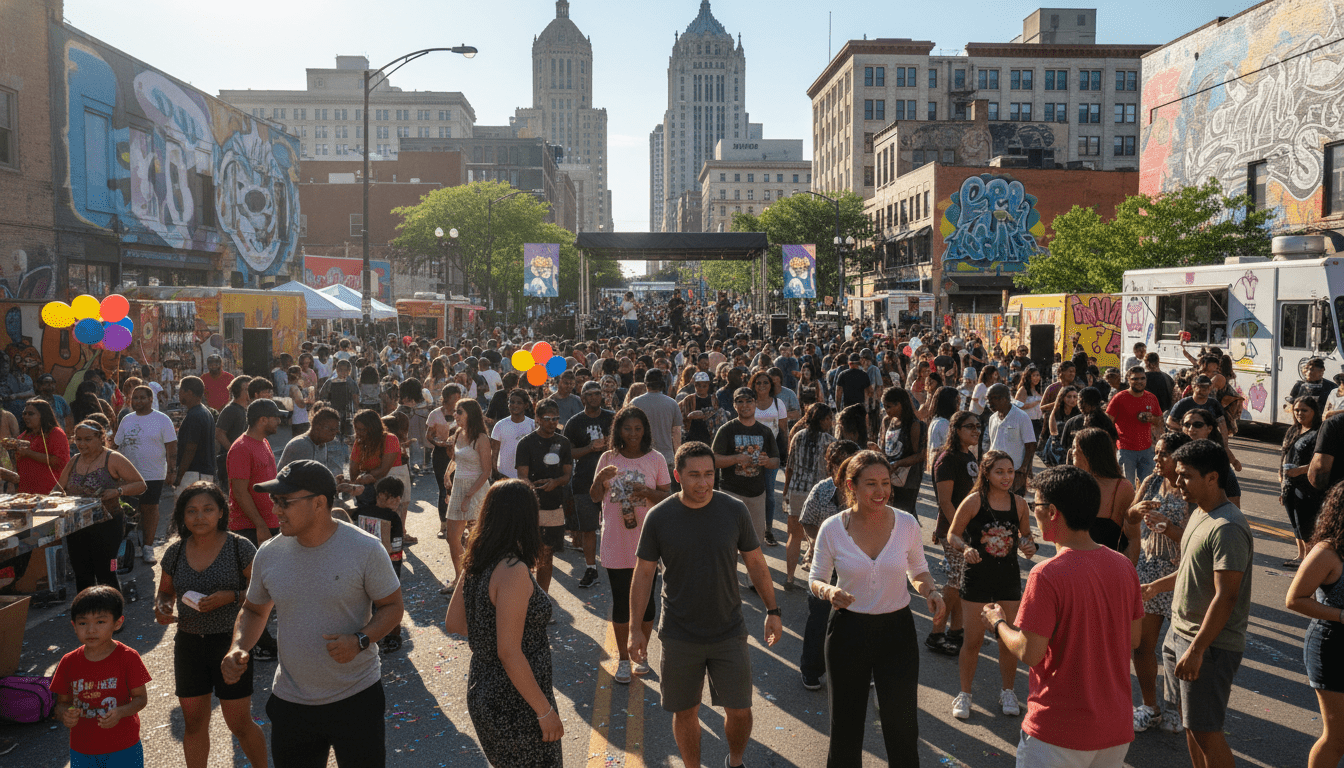
Detroit is a city defined by resilience, innovation, and a rich tapestry of human experience. While long hailed globally as the Motor City and the birthplace of Motown, a quieter but equally powerful transformation is taking place within its neighborhoods. Detroit cultural diversity is evolving, driven by shifting demographics, immigration trends, and a renewed commitment to inclusive economic growth. As the city continues its revitalization journey in 2025, the interplay between historic communities and new populations is creating a unique social fabric that sets Detroit apart from other Midwest metropolises.
For decades, Detroit has stood as the largest Black-majority city in the United States, a status that has profoundly shaped its political, artistic, and social identity. However, recent data suggests that while this foundation remains strong, the city is becoming increasingly multi-ethnic. From the bustling corridors of Southwest Detroit to the expanding borders near Hamtramck, the definition of what it means to be a Detroiter is expanding.
The Enduring Legacy of Black Culture
To discuss Detroit cultural diversity, one must start with its heartbeat: the African American community. Accounting for roughly 77% of the population according to recent estimates, Black culture is not just a component of the city; it is the lens through which the city’s history is viewed. This influence permeates every aspect of local living, from the legendary music scene to the ongoing fight for equitable housing and civil rights.
Local historians and community leaders emphasize that the current cultural renaissance is rooted in this history. Institutions like the Charles H. Wright Museum of African American History continue to anchor the city’s cultural district, drawing visitors from around the globe. However, local leaders note that the conversation is shifting from preservation to empowerment. New initiatives by the City of Detroit aimed at supporting Black-owned businesses are ensuring that the economic benefits of downtown development extend into the neighborhoods.
According to the City of Detroit’s Office of Arts, Culture and Entrepreneurship (Detroit ACE), the goal is to celebrate this heritage while creating space for cross-cultural dialogue. This foundational culture provides the stability upon which new layers of diversity are being built.
The Vibrant Growth of Southwest Detroit
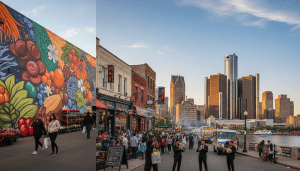
One of the most visible examples of Detroit cultural diversity can be found in Southwest Detroit, often referred to as Mexicantown. This area has long served as a hub for Hispanic and Latino communities, but recent years have seen it transform into an economic powerhouse. Unlike other areas of the Rust Belt that have struggled with population loss, Southwest Detroit has maintained stability and growth, largely driven by immigration and strong family networks.
Local business owners in the Vernor Highway corridor report that the area draws people from all over the region, not just for the authentic cuisine but for the palpable sense of community. The demographics here are diverse within themselves, comprising families with roots in Mexico, Puerto Rico, the Dominican Republic, and increasingly, Central and South America. This density of culture has turned the neighborhood into a destination for festivals, art walks, and small business incubation.
Organizations like Global Detroit have highlighted how immigrant-inclusive economic development strategies in neighborhoods like Southwest Detroit have helped stabilize housing markets and fill labor gaps, providing a model for the rest of the city.
New Waves: Middle Eastern and Asian Influences
While the suburbs of Dearborn and Hamtramck are famously known for their Arab American and Bangladeshi populations, these communities are increasingly woven into the fabric of Detroit proper. The fluid borders between Detroit and Hamtramck have created micro-neighborhoods where the call to prayer and church bells coexist.
In the Banglatown neighborhood, located on the Detroit-Hamtramck border, the influence is visible in the street signs, grocery stores, and community gardens. This area represents a growing segment of Detroit cultural diversity that is often underreported. Asian Americans, particularly of Bangladeshi descent, are revitalizing residential blocks that had previously suffered from high vacancy rates.
“The lines between the city and its enclaves are blurring in a positive way,” notes a recent report on regional migration. “Detroit is benefiting from the overflow of growth in adjacent immigrant-heavy municipalities.”
Impact on Detroit Residents
For the average resident, this shifting landscape brings both opportunities and challenges. On the positive side, the influx of diverse populations contributes to a robust local economy. Diverse neighborhoods often see faster rates of small business formation. For locals, this means more grocery options, a wider variety of services, and a vibrant street life that improves public safety through increased foot traffic.
However, the conversation around diversity is also linked to fears of gentrification and displacement. As Midtown and Corktown attract a younger, more affluent, and often white demographic, long-time residents have expressed concerns about rising rents and the erasure of historic neighborhood identities. Community groups are actively working to ensure that Detroit cultural diversity does not become a marketing buzzword that masks the displacement of legacy residents.
To address this, the city has implemented policies focused on affordable housing preservation. The goal is to allow long-term residents to remain in their homes and benefit from the rising property values and new amenities brought by a diversifying population.
Background & Data
Data from the U.S. Census Bureau highlights these slow but significant shifts. While the overall population of Detroit saw a decline in the 2020 census, the rate of decline slowed significantly compared to previous decades, and certain census tracts showed growth for the first time in fifty years. The Hispanic or Latino population in Detroit grew by nearly 20% between 2010 and 2020, significantly increasing their share of the city’s total makeup.
Furthermore, data regarding languages spoken at home indicates a rise in Spanish and Arabic speakers within city limits, necessitating changes in how the city delivers services. Everything from voting ballots to emergency alerts is becoming more multilingual, reflecting the reality of the city’s demographics.
What Happens Next
Looking ahead, Detroit stands at a crossroads. The narrative of the city is moving beyond “recovery” to “redefinition.” The continued embrace of Detroit cultural diversity will likely be a key driver in attracting international business and retaining talent. As remote work allows professionals to live anywhere, Detroit’s unique cultural mix, low cost of living, and authentic grit make it an attractive option for a global workforce.
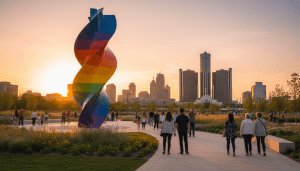
City planners and community organizers are focusing on “inclusive placemaking”—designing public spaces like the Detroit Riverfront and the Joe Louis Greenway to be welcoming to all cultures. These physical spaces are intended to physically bridge the gaps between the distinct neighborhoods described above.
For more insights on how the city is adapting to these changes, readers can explore our coverage on local living and neighborhood updates.