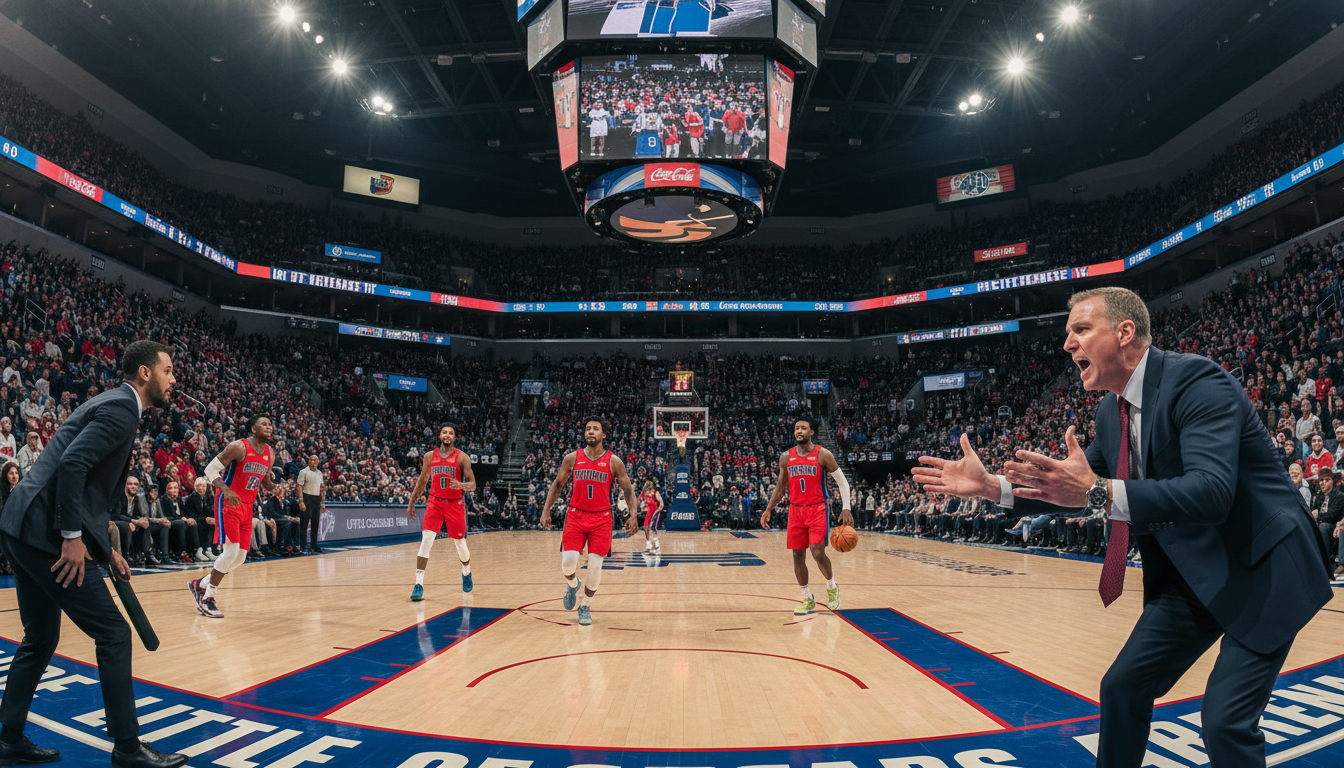
The atmosphere surrounding the Detroit Pistons has undergone a visible transformation this season as the franchise moves away from a period defined by record-setting losses toward a disciplined, competitive identity. Following a 14-68 season that tested the patience of the fanbase, the arrival of head coach J.B. Bickerstaff and President of Basketball Operations Trajan Langdon has signaled the beginning of a structural overhaul aimed at establishing a long-term winning culture in the Motor City.
The shift is not merely about the win-loss column, but rather the internal standards and daily habits of a roster that had previously struggled with consistency. According to reports from the Detroit Free Press, the organizational pivot began with a focus on defensive accountability and the integration of veteran leadership, factors that were largely absent during the team’s recent rebuilding years.
A Defensive Identity Emerges
At the core of the Detroit Pistons winning culture is an emphasis on the defensive end of the floor. J.B. Bickerstaff, known for his success in turning the Cleveland Cavaliers into a top-tier defensive unit, has brought a similar blueprint to Detroit. Under his guidance, the Pistons have shown significant statistical improvements in defensive rating and rebounding percentage during the early stages of the season.
Bickerstaff has frequently cited the importance of “competitive stamina,” a term he uses to describe the mental toughness required to stay engaged through all four quarters. This philosophy is already resonating with the team’s core players. Cade Cunningham, the franchise centerpiece, has seen his defensive effort mirrored by backcourt partner Jaden Ivey, who has taken visible strides in lateral quickness and screen navigation. The commitment to this side of the ball is a departure from previous seasons where the team often relied on individual talent rather than collective schemes.
Impact on Detroit Residents and Local Fans
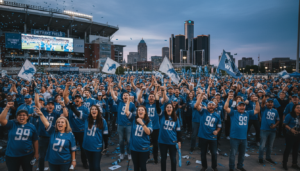
The resurgence of the Pistons has implications beyond the hardwood of Little Caesars Arena. For Detroit residents, a competitive professional basketball team serves as a point of civic pride and a driver of foot traffic for the downtown entertainment district. When the Pistons are competitive, game-day attendance increases, providing a boost to local sports bars, restaurants, and parking facilities throughout the District Detroit area.
Local business owners in the Midtown and Downtown corridors have noted that a winning environment at the arena translates to more consistent revenue on weeknights. Beyond the economic impact, the Pistons’ commitment to the city is reflected in their community outreach. The “Pistons Neighbors Program” and various youth basketball initiatives continue to foster a connection between the team and the city’s neighborhoods, ensuring that the rebuilding of the team’s culture includes a strong social component.
Background and Strategic Data
The decision to hire Bickerstaff followed a comprehensive review of the basketball operations department by Trajan Langdon. Data from NBA.com Statistics highlights that the Pistons had one of the youngest average rosters in the league over the last three seasons, which contributed to high turnover rates and defensive lapses. To counter this, the front office prioritized the acquisition of proven veterans during the offseason.
The additions of Tobias Harris, Malik Beasley, and Tim Hardaway Jr. were calculated moves to provide the Detroit Pistons winning culture with a foundation of professionalism. Harris, in particular, has been cited by coaching staff as a “player-coach” on the floor, helping younger players understand the nuances of floor spacing and communication. The presence of these veterans has stabilized the locker room, allowing the younger players to develop in an environment where mistakes are corrected instantly rather than allowed to linger.
Restoring the ‘Going to Work’ Mentality
For many longtime Detroit fans, the current shift feels like an attempt to restore the “Going to Work” ethos of the early 2000s. While the current roster is still developing, the focus on physical play and grit is a nod to the franchise’s storied history. This cultural alignment is essential for a city that identifies deeply with hard work and resilience. By mirroring the city’s blue-collar identity, Bickerstaff is attempting to create a team that is not only successful but also representative of its community.
The strategic development of the roster also coincides with larger Detroit sports economy trends, where the success of the Lions and Tigers has heightened expectations for the Pistons to return to relevance. The pressure to perform is higher than it has been in years, but Bickerstaff appears to be leaning into that pressure as a tool for growth.
What Happens Next
Looking ahead, the success of the Pistons’ cultural shift will be measured by their ability to maintain defensive intensity throughout the grueling 82-game schedule. The front office remains focused on incremental progress rather than shortcuts. Trajan Langdon has emphasized that while the goal is the playoffs, the immediate priority is building a sustainable system that can survive the ups and downs of an NBA season.
As the trade deadline approaches in early 2025, the team will likely look to further refine the roster to fit Bickerstaff’s vision. Whether the Pistons make a move for more shooting or additional rim protection, the underlying goal remains the same: ensuring that every player who wears a Pistons jersey adheres to the newly established standards of effort and accountability. For the first time in several seasons, there is a clear sense of direction at 1234 Woodward Avenue, and the foundation of a Detroit Pistons winning culture appears to be firmly in place.