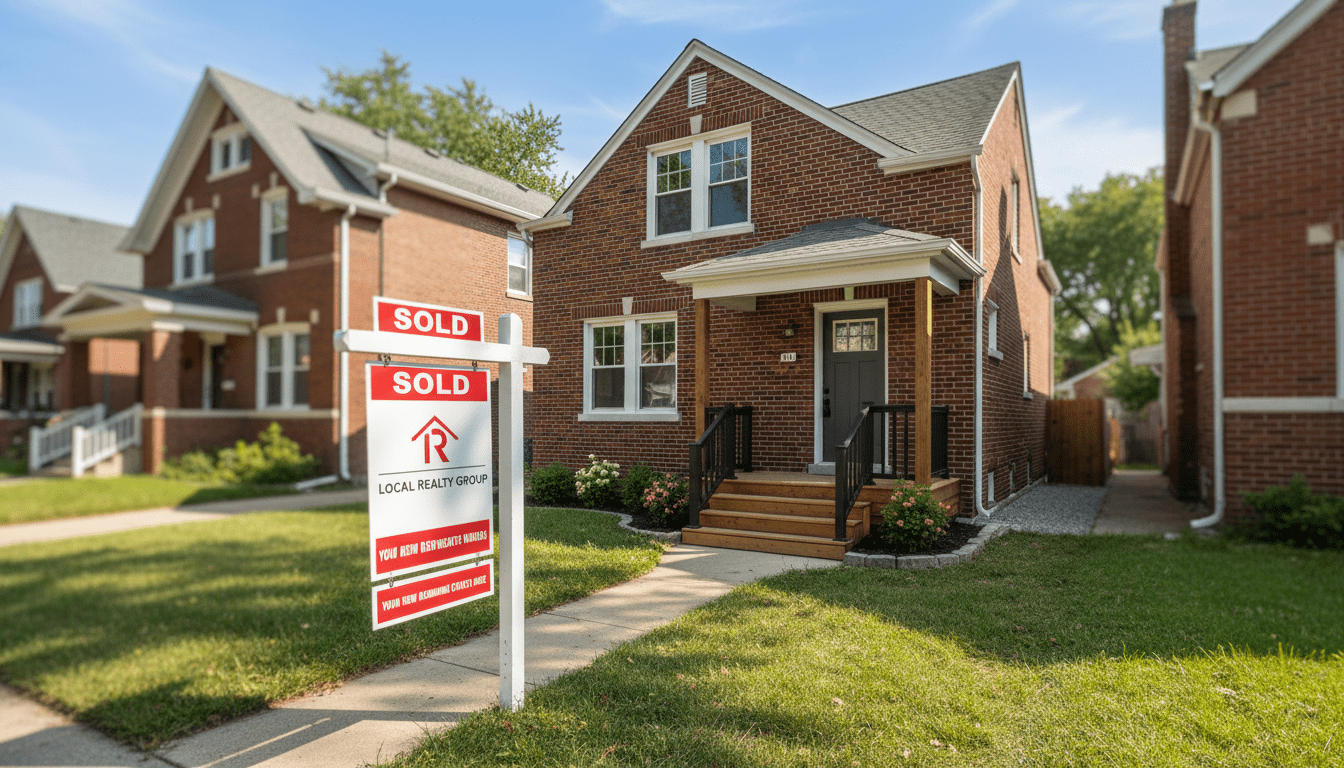
For many aspiring homeowners in the Motor City, the monthly mortgage payment is not the primary hurdle; rather, it is the substantial cash required at the closing table. Addressing this barrier, the expanded Detroit down payment assistance program continues to serve as a pivotal tool for stabilizing neighborhoods and increasing resident homeownership rates across the city.
Launched initially with funding from the American Rescue Plan Act (ARPA), the program represents one of the Duggan administration’s flagship housing initiatives. It offers qualifying residents up to $25,000 in grants to cover down payments, closing costs, and principal reduction, directly targeting the affordability gap that has historically kept many Detroiters in the rental market.
Understanding the Program Mechanics
The core objective of the initiative is to convert renters into homeowners, thereby fostering long-term community stability. According to the City of Detroit Housing & Revitalization Department, the program is designed specifically for residents who have the income to support a mortgage but lack the savings for upfront costs.
Under the current guidelines, the program provides assistance in the form of a forgivable loan. If the homeowner remains in the property as their primary residence for three years, the loan is completely forgiven, effectively converting it into a grant. This structure discourages speculation and ensures that the funds support genuine residents committed to living in the city.
To qualify, applicants must not have held an interest in a principal residence within the last three years, effectively classifying them as first-time homebuyers. Income limits apply, generally capped at 300% of the Federal Poverty Level, ensuring the funds reach middle- and lower-income households who are most vulnerable to rising housing costs.
Addressing the ‘Appraisal Gap’
One of the unique challenges in the Detroit real estate market is the “appraisal gap”—a situation where the cost to renovate or purchase a home exceeds the appraised value that a bank is willing to finance. This disparity has long stifled the housing market in neighborhoods that have not yet seen significant redevelopment.
Real estate experts note that Detroit down payment assistance is crucial for bridging this specific gap. By providing up to $25,000, buyers can cover the difference between the sale price and the mortgage amount, making transactions viable that would otherwise fall apart.
Data from local housing nonprofits suggests that this infusion of capital is helping to normalize property values in zip codes that were previously stagnant. As more transactions close using these funds, comparable sales data improves, slowly lifting the appraisal floor for future buyers in the same neighborhoods.
Impact on Detroit Residents
The impact of this financial support extends beyond individual homebuyers; it affects the broader social fabric of the city. Increased homeownership is statistically linked to improved neighborhood safety, higher civic engagement, and better educational outcomes for children.
Local advocacy groups have praised the program for its accessibility. Organizations such as National Faith Homebuyers, which administers the program intake, report steady interest from residents eager to secure permanent housing. Unlike typical bank products, the assistance is paired with required homebuyer education courses, ensuring that new owners are prepared for the responsibilities of property maintenance and financial management.
“The biggest barrier isn’t the desire to own, it’s the check you have to write on day one,” said a representative from a local housing counseling agency. “When the city steps in to cover that check, it changes the trajectory of a family’s financial future.”
Broader Context and State-Level Support
While the city-specific program draws significant attention, it operates within a broader ecosystem of housing support. The Michigan State Housing Development Authority (MSHDA) also offers the MI 10K DPA program, which provides up to $10,000 statewide. However, the City of Detroit’s program is significantly more aggressive in its funding limits, reflecting the specific economic realities of the local market.
According to U.S. Census Bureau data, Detroit’s homeownership rate has shown signs of stabilization after years of decline, yet it remains below the national average. Programs combining federal stimulus dollars with local administrative knowledge are viewed by economists as the most effective method for reversing these historical trends.
Prospective buyers are encouraged to layer these programs where allowed. For example, some buyers may combine city assistance with individual development accounts (IDAs) or financial empowerment grants offered by private foundations, maximizing their purchasing power.
The Application Process and Future Outlook
Residents interested in the program must navigate a specific application process. The first step involves contacting a participating lender to obtain pre-approval for a mortgage. Following this, the intake process is handled through approved agencies like National Faith Homebuyers.
The City of Detroit advises potential applicants to act with diligence. While funding was allocated via ARPA, these pools of money are finite. Officials have indicated that as the real estate market in Detroit continues to heat up, the demand for down payment assistance is expected to rise concurrently.
For more information on eligibility and application steps, residents can visit the official City of Detroit website.
As Detroit continues its revitalization journey, the ability of long-time residents to participate in the wealth creation of homeownership remains a key metric of success. Through strategic interventions like the Detroit down payment assistance program, the city aims to ensure that the recovery includes those who have stayed through the most challenging times.