
By Sarah Jenkins
Published: October 24, 2025
Location: Detroit, Michigan
Detroit Economic Development: Small Businesses Fuel 2025 Resurgence
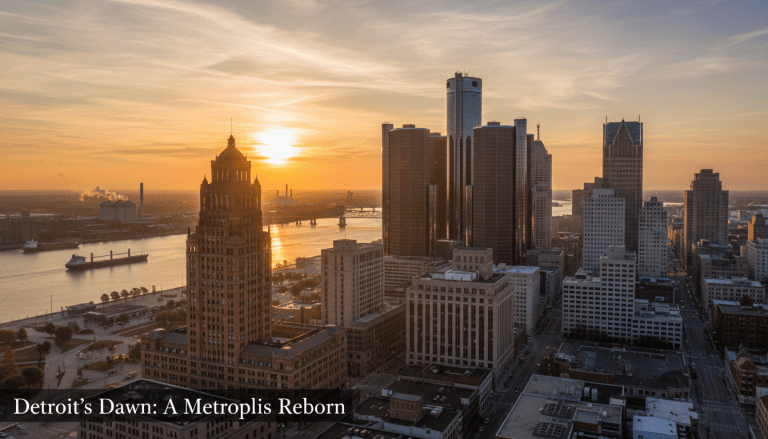
Detroit’s economic landscape is undergoing a significant transformation in late 2025, driven largely by a surge in small business entrepreneurship and strategic neighborhood investments. While the automotive industry remains a pillar of the region, the latest data suggests that Detroit economic development is increasingly defined by a diverse ecosystem of tech startups, culinary ventures, and localized retail hubs.
Shifting Focus to Neighborhood Vitality
For decades, economic conversations in the city focused heavily on Downtown and Midtown. However, the Detroit Economic Growth Corporation (DEGC) has reported a marked shift in capital flow toward residential neighborhoods. New commercial corridors in areas like the Avenue of Fashion and Southwest Detroit are seeing lower vacancy rates compared to pre-pandemic levels.
According to recent reports from the Detroit Economic Growth Corporation, the city has seen a 12% increase in minority-owned business applications in the last fiscal year. This uptick is attributed to sustained support from programs like Motor City Match, which continues to provide capital and technical assistance to budding entrepreneurs.
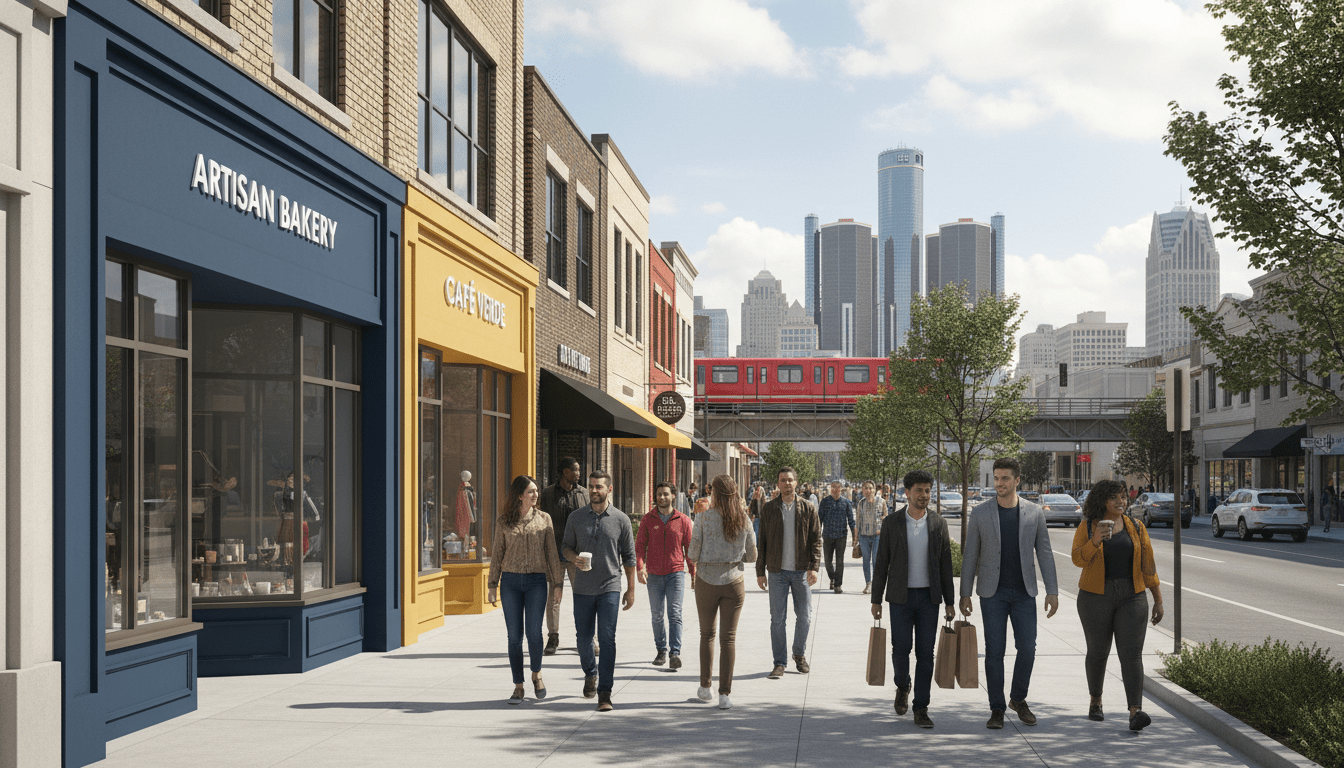
“The momentum we are seeing isn’t just in skyscrapers; it’s in the storefronts on Livernois and the pop-ups in Corktown,” said a spokesperson for the local chamber during a press briefing on Tuesday. “Sustainable Detroit economic development requires a foundation of strong, locally-owned small businesses that hire from within the community.”
Impact on Detroit Residents
For local residents, this shift translates to more than just economic statistics; it affects daily quality of life and employment opportunities. The expansion of the small business sector has created over 2,500 new jobs within city limits over the last 18 months, specifically in the hospitality and service sectors.
Furthermore, the revitalization of commercial strips increases walkability and access to essential services. Residents in neighborhoods that were previously considered food deserts are now seeing new grocers and markets opening, supported by city incentives aimed at neighborhood stabilization.
For those looking to understand how these changes affect housing values, our recent analysis on the Detroit real estate market highlights the correlation between commercial density and rising property values in emerging zip codes.
Background & Data: The Tech Influence
While small businesses are the heartbeat, big tech and mobility innovation remain the muscle. The full activation of Michigan Central has created a ripple effect throughout Corktown and beyond. Data from the Southeast Michigan Council of Governments (SEMCOG) indicates that the mobility sector has attracted over $400 million in venture capital to the region in 2025 alone.
This influx of capital is diversifying the tax base. The city is no longer solely reliant on manufacturing cycles, providing a buffer against national economic volatility. This resilience is a key indicator of long-term health for Detroit economic development.
What Happens Next
Looking ahead to 2026, city planners are focusing on infrastructure improvements to support this business growth. Discussions are underway regarding improved transit links to connect workforce housing with these new employment hubs. Additionally, the city is exploring further tax incentives for businesses that commit to hiring Detroit residents exclusively.
As the landscape evolves, staying informed on local business news will be crucial for residents and investors alike. The trajectory suggests that Detroit is moving toward a more inclusive economy, balancing corporate investment with robust support for the entrepreneurs building the city block by block.