
By Sarah Jenkins
Published: October 24, 2024
Location: Detroit, Michigan
Detroit Economic Resurgence: How the Motor City is Redefining Growth
More than a decade after filing for the largest municipal bankruptcy in U.S. history, the narrative of the Motor City has shifted dramatically. The Detroit economic resurgence is no longer just a hopeful slogan; it is a measurable reality backed by credit rating upgrades, declining unemployment, and a wave of new development that is reshaping the city’s skyline and neighborhoods.
While challenges remain, recent data from regional economic forecasts suggests that Detroit is entering a period of sustained stability, driven by diversification in the tech sector, a pivot to electric vehicles (EVs), and a boom in small business entrepreneurship.
From Bankruptcy to Investment Grade
The foundation of the current economic climate was laid through years of fiscal restructuring. Earlier this year, Moody’s Investors Service upgraded Detroit’s issuer rating to investment grade for the first time since 2009. This upgrade signals to global investors that the city’s financial governance is sound, lowering borrowing costs for critical infrastructure projects.
According to the Detroit Regional Chamber, the region has seen steady job growth that outpaces many peer cities in the Midwest. “The fiscal discipline we have seen over the last ten years has created an environment where businesses feel safe investing capital here,” a spokesperson for the Chamber noted in a recent quarterly report.
This financial stability has paved the way for major projects, including the ongoing transformation of the riverfront and the restoration of Michigan Central Station by Ford Motor Company, which serves as an anchor for the city’s growing mobility district.
The Auto Industry and Tech Convergence
The Detroit economic resurgence is inextricably linked to the evolution of the automotive industry. As the world transitions to electric mobility, Detroit has positioned itself not just as a manufacturer, but as a hub for innovation.
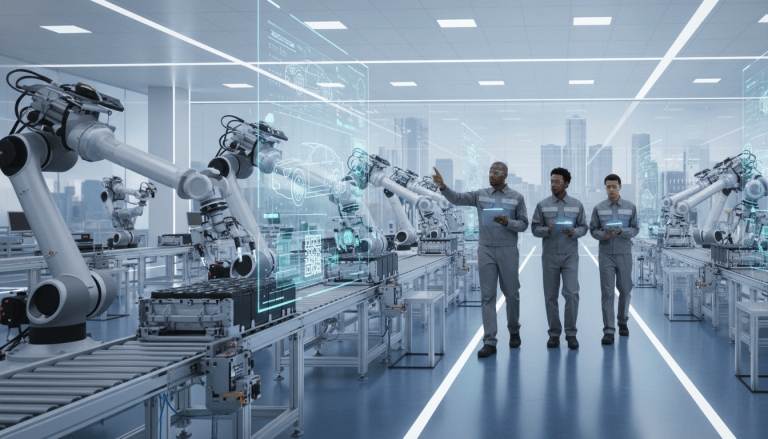
General Motors and Stellantis have invested billions into retooling local assembly plants for EV production. However, the economic ripple effect goes beyond the assembly line. The influx of battery technology firms and autonomous driving startups has created a new layer of high-tech employment within the city limits.
Diversification Beyond Cars
While autos remain king, local officials are keen to highlight growth in other sectors. “We are seeing a significant uptick in fintech and healthcare startups choosing Detroit over coastal hubs due to the cost of living and availability of talent,” said a representative from the Detroit Economic Growth Corporation (DEGC).
Impact on Detroit Residents
Macroeconomic success means little if it doesn’t touch the neighborhoods. City officials argue that the Detroit economic resurgence is finally reaching long-term residents through improved property values and employment programs.
According to data from the U.S. Bureau of Labor Statistics, the unemployment rate in Detroit has hit historic lows compared to the volatility seen in the early 2010s. The city’s “Detroit at Work” program has been instrumental in training residents for the skilled trades required by the current construction boom.
Local business owner Marcus Hall, who runs a logistics firm in the Corktown area, has witnessed the shift firsthand. “Five years ago, finding steady contracts was a struggle,” Hall said. “Now, with the new developments and the supply chain needs, we are hiring more local drivers than ever before. The money is circulating back into the community.”
However, concerns about gentrification and housing affordability persist. As property values rise, the administration has pledged to prioritize affordable housing preservation to ensure legacy Detroiters are not priced out of the recovery.
What Happens Next?
Looking ahead to 2025 and beyond, the focus remains on inclusive growth. The city is preparing to host several major sporting and cultural events, including the NFL Draft, which is expected to inject millions into the local hospitality sector.
For the momentum to continue, experts suggest the city must maintain its fiscal discipline while addressing neighborhood-level infrastructure needs. For more coverage on local business developments, visit our section on Detroit Jobs and Startups.
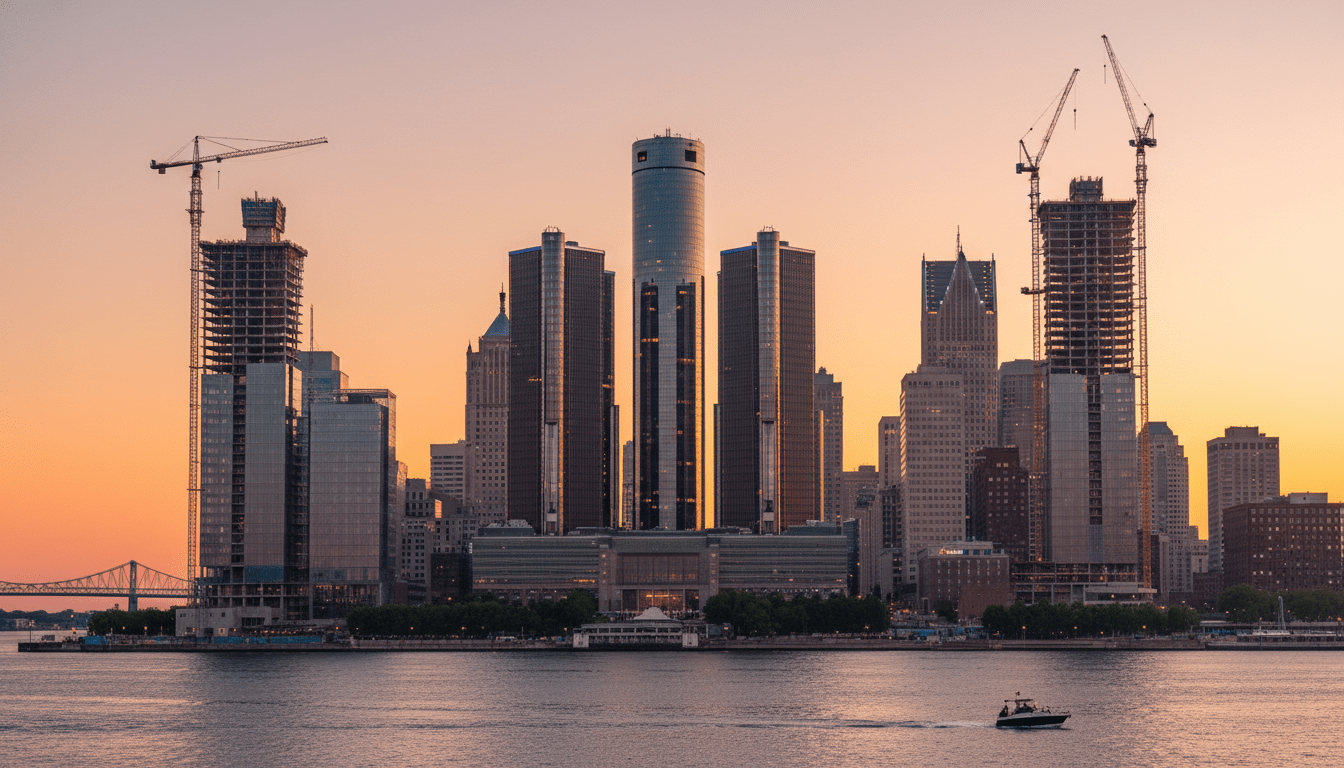
As cranes continue to dot the horizon, the message is clear: Detroit is open for business, and the comeback is well underway.