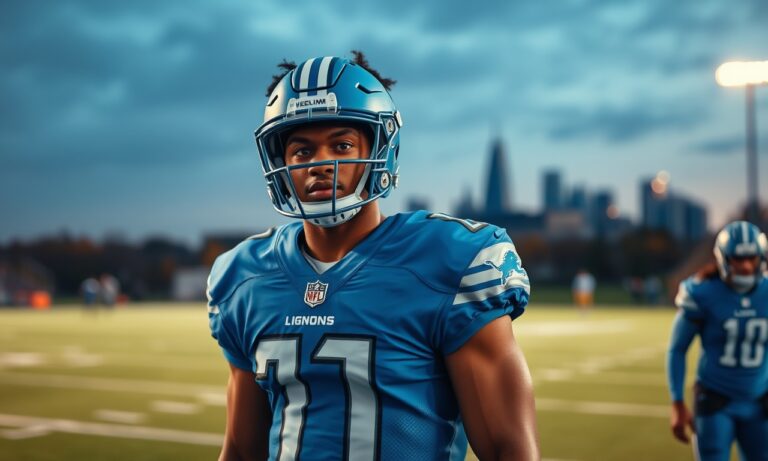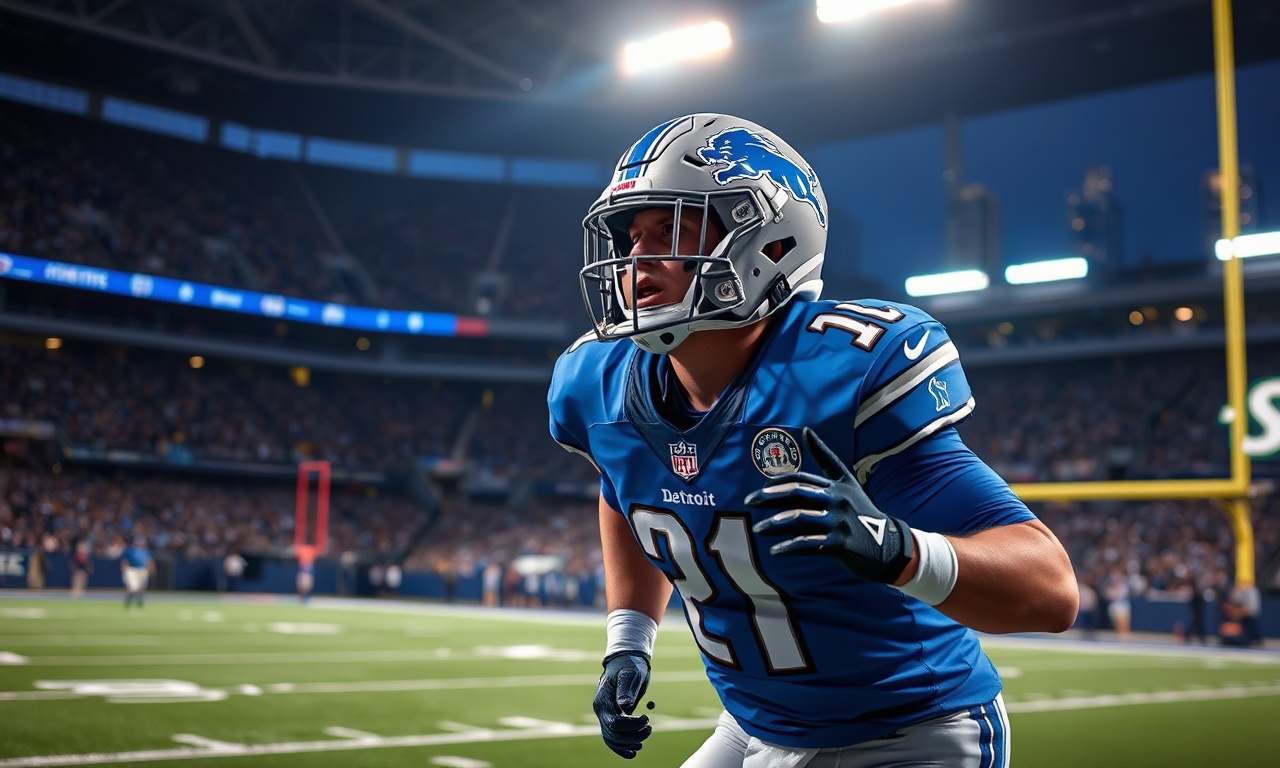
As the Detroit Lions look toward their 2024 Detroit season, a growing conversation inside the organization and among fans centers on one name: Blake Miller. With expectations steadily rising, the question for Detroit is not only whether Miller can deliver on the field, but how his potential shift in role could ripple across the Lions’ overall game plan—affecting depth-chart decisions, matchup strategy, and the team’s confidence in its weekly execution.
The Lions’ early roster decisions and training-camp priorities have consistently reflected a belief that young or developing players can change the math of a season. In Detroit, where expectations tend to intensify quickly once a team finds momentum, the idea that Miller’s development could become a functional advantage—not just a long-term hope—has gained traction.
Blake Miller and the Lions expectations debate
Detroit’s Lions expectations are already shaped by more than record projections. The team’s recent emphasis on more adaptable offensive and defensive looks means individual progress often becomes a systems issue. If Miller’s contributions expand beyond a limited package—whether through improved production, reliability in key situations, or a broader skill-set—it could influence how coaches allocate practice reps, rotate personnel, and plan for injuries.
For fans trying to understand what “rising expectations” means in practice, one helpful lens is to look at how the Lions handle player development. According to Coach A.J. Smith’s philosophy as reported by team communications and coverage during prior offseason programming, the organization has generally emphasized role clarity and repetition—getting players to understand what success looks like within a week-to-week plan. That matters because a player’s jump in opportunity is rarely sudden; it typically follows measurable progress that coaches can trust under pressure.
Meanwhile, observers often point to the broader NFL development landscape. The NFL’s 2024 player development and roster management conversations—widely covered by league and media outlets—underscore how teams increasingly expect contributors from players who may not have started the year with guaranteed snaps. In that context, Miller’s trajectory becomes a “timing” story as much as a talent story: Detroit is preparing for the possibility that he can handle more responsibility sooner than a traditional timeline would suggest.
What player impact could look like in Detroit
Rising expectations generally follow a pattern: coaches start by trusting a player in a defined situation, then widen the role if the player’s performance holds up. For Miller, that could mean more reps at critical points in games, expanded coverage responsibilities (if applicable to his position group), or increased involvement in an offensive/defensive package designed to exploit specific matchups.
Detroit’s focus, though, is not just about stats. Teams evaluate whether a player’s presence improves the team’s stability—reducing mistakes, maintaining efficiency, and creating more consistent game flow. If Miller’s progress leads to more confident play-calling, that’s a direct player impact to the whole roster, not only to the individual’s stat line.
Impact on Detroit Residents: why a roster storyline matters locally
In Detroit, football isn’t just sports consumption—it’s community rhythm. When the Lions’ outlook shifts, local businesses and employers often feel it indirectly through game-week activity, fan spending, and the general tone of the city. While the connection is not always measurable week-to-week in public filings, the link between local sports engagement and economic activity is well documented in major-market cities.
According to a report by The Brookings Institution on the role of sports in urban economies, stadium and team-related spending can contribute to local business revenues, especially for restaurants, retail, and hospitality, when fan attendance and engagement rise. Brookings’ broader findings emphasize that sports can act as a catalyst for neighborhood activity, even if the precise distribution of dollars varies by season and schedule.
That means if Blake Miller becomes a more visible piece of the Lions’ rotation—and Detroit’s confidence in the team grows—game-day demand can increase. The most immediate effects tend to show up in:
- Hospitality and dining: higher pregame and postgame traffic near stadium-adjacent districts.
- Local retail: demand for team merchandise often rises alongside credible performance narratives.
- Workplace culture: increased conversation and informal engagement that can shape attendance at watch events.
Detroit residents also experience a subtler impact: the emotional “signal” of a player’s ascent. In cities where fans have learned to measure progress carefully, the promise of a contributor becoming more central to winning can affect how people interpret broader momentum—sports included.
Background & Data: how Detroit measures performance and expectation
To understand why the Lions are paying close attention to the next layer of contributions, it helps to consider the NFL’s structure and how quickly opportunities appear. Teams operate under constant constraints: injuries, matchup demands, and the need to protect starters from wear. In that environment, the players who become reliable earlier tend to be the ones coaches can build on.
From a data perspective, the “rising expectations” storyline mirrors what many teams across professional sports do with advanced metrics and film review. The common theme is that evaluation moves beyond raw totals and looks at repeatable skills: assignment discipline, situational efficiency, and execution under pressure. That’s where a player like Miller can become more valuable even before he becomes a headline stat-maker.
Detroit’s broader environment also matters. According to U.S. Census Bureau data, Detroit has a diverse population with varying commute patterns and neighborhood access to events. Those demographic realities shape how quickly fan energy translates into local activity—especially when game scheduling, transit access, and nearby parking conditions affect how many residents attend or watch together.
When Detroit residents talk about 2024 Detroit season expectations, they often blend two ideas: (1) the team’s on-field goals and (2) the city’s desire for sustained, tangible progress. The Lions, as one of Detroit’s highest-profile franchises, can become a focal point for that second idea—particularly when roster decisions suggest the organization is willing to bet on internal growth.
What happens next: checkpoints for Miller and the Detroit Lions
Rising expectations don’t automatically translate into results. The next step for Blake Miller and the Detroit Lions is a series of checkpoints: training-camp usage, early-season snaps, performance in high-leverage moments, and the ability to hold up as opponents adjust.
Here’s what to watch as the Lions head deeper into the 2024 Detroit season:
- Role clarity: whether Miller earns consistent involvement beyond specific packages.
- Execution under pressure: fewer mental errors and better assignment consistency in late-game scenarios.
- Trust from the coaching staff: measurable signals such as rep distribution and end-of-game planning.
- Team-wide adaptation: whether his presence changes how Detroit structures matchups or rotates personnel.
If Miller’s development aligns with the Lions’ internal expectations, the effect could be more than a personal breakout. It could allow Detroit to lean into a more flexible game plan—one that helps the team stay competitive during the inevitable churn of an NFL season.
In the meantime, Detroit fans will likely continue to gauge Miller through the same lens the team itself uses: not just what he does, but whether his impact shows up consistently enough to reshape decisions across the roster. For a franchise that understands the value of momentum, that possibility—however gradual—could become one of the defining storylines of the year.