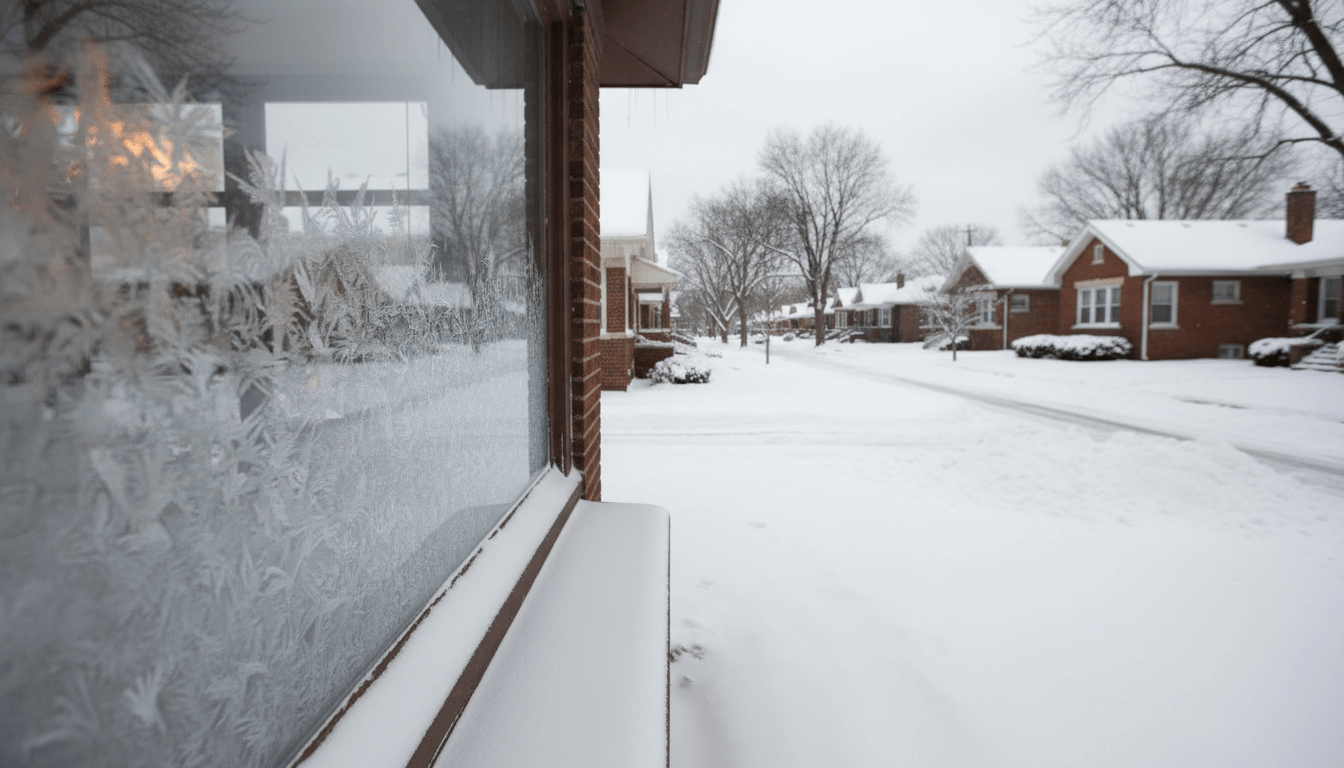
As temperatures across Southeast Michigan begin to drop, anxiety regarding utility costs is rising in households across the city. With recent changes to billing structures and the perennial challenge of heating older, less energy-efficient homes, many residents are looking for relief. For thousands of families, accessing Detroit energy assistance programs is not just a matter of budgeting—it is a critical safety measure to ensure uninterrupted service during the harsh winter months.
According to data from the U.S. Census Bureau, a significant portion of Detroit households spend a disproportionately high percentage of their income on utilities. Recognizing this gap, state agencies and DTE Energy have activated several seasonal programs designed to protect vulnerable residents from shut-offs and unmanageable debt.
Understanding the Winter Protection Plan
One of the primary safeguards available to eligible seniors and low-income customers is the Winter Protection Plan (WPP). Administered in accordance with Michigan Public Service Commission (MPSC) guidelines, this program prevents service shut-offs for eligible customers during the heating season, which runs from November 1 through March 31.
Under the WPP, participants pay a budgeted monthly amount consisting of a portion of their estimated annual bill plus a portion of any past-due balance. For seniors aged 65 and older, enrollment ensures that services are not disconnected during the winter months, regardless of payment history, though payments are still encouraged to avoid a large balance in the spring. Low-income customers who are not seniors can also qualify if their income falls within 150% of the federal poverty guidelines.
Local advocates emphasize that enrollment is not automatic. Residents must proactively contact DTE Energy to apply for the protection plan. Failure to enroll before a shut-off notice is issued can complicate the process, making early action essential for household stability.
State and Federal Aid Options
Beyond the utility-managed payment plans, significant financial aid is available through the Michigan Department of Health and Human Services (MDHHS). The State Emergency Relief (SER) program provides direct financial assistance to low-income households specifically to prevent utility shut-offs or to restore services.
Officials from MDHHS state that the SER program is often the gateway to additional long-term solutions. Once a household is approved for SER, they become eligible for the Michigan Energy Assistance Program (MEAP). MEAP goes beyond one-time payments; it connects residents with service providers who offer energy education, budgeting coaching, and assistance in navigating the complexities of utility management.
Additionally, the Home Heating Credit is a tax credit available to help pay for heating costs. Residents do not need to file a standard state income tax return to receive this credit, but they must file a Home Heating Credit claim form. The application period generally opens in late January, providing a crucial mid-winter financial buffer for many Detroiters.
Impact on Detroit Residents
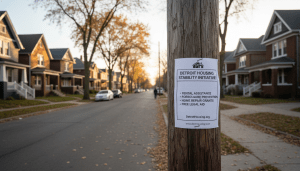
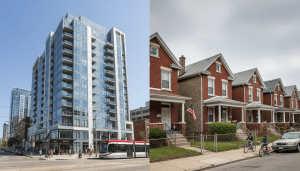
The necessity of these programs is underscored by the unique housing infrastructure in Detroit. Many of the city’s historic neighborhoods are comprised of homes built before modern insulation standards were established. This results in “energy leakage,” where heat escapes through drafty windows and poorly insulated attics, driving up consumption even when residents are trying to conserve energy.
For families already navigating the nuances of the local Detroit economy, an unexpectedly high heating bill can force difficult choices between food, medication, and warmth. Community organizations report that the transition to Time of Day (TOD) rates—where electricity costs fluctuate based on peak demand hours—has added a layer of complexity for residents trying to manage their usage.
“The combination of older housing stock and rising rates creates a perfect storm for energy insecurity,” said a representative from a local housing advocacy group. “Connecting residents to Detroit energy assistance isn’t just about paying a bill; it’s about keeping families in their homes and preventing the displacement that often follows utility crises.”
The Role of Non-Profits
When state and utility programs are exhausted, non-profit organizations often step in to fill the gap. The Heat and Warmth Fund (THAW) is a prominent resource in Detroit, providing emergency energy assistance to residents in crisis. THAW works in conjunction with utility providers to offer payment matching programs and arrears forgiveness, helping families clear past debt.
Similarly, the United Way for Southeastern Michigan operates its 2-1-1 helpline, a vital resource for residents unsure of where to start. By dialing 2-1-1, Detroiters are connected with navigators who can direct them to the appropriate agencies based on their specific zip code and income level. This centralized information hub is critical for cutting through the red tape often associated with social service applications.
Navigating Future Costs
Looking ahead, energy experts suggest that volatility in fuel prices may continue to impact monthly bills. While DTE Energy has invested in grid modernization, the costs associated with infrastructure upgrades are often passed down to consumers. This makes the utilization of available assistance programs more important than ever.
Residents concerned about housing stability in Detroit are urged to conduct energy audits—often available for free or at a reduced cost through DTE—to identify immediate repairs that can lower consumption. Simple measures, such as window sealing and programmable thermostats, can complement financial assistance by reducing the overall demand on the grid.
For those seeking help, the message from city officials and utility providers is consistent: do not wait until a shut-off notice arrives. Engaging with Detroit energy assistance resources early in the season provides the best protection against the biting cold of a Michigan winter.
For more details on eligibility and application portals, residents can visit the Michigan Public Service Commission’s official assistance page.