
By Sarah Jenkins
Published: October 24, 2023
Location: Detroit, Michigan
Bridging the Gap: Detroit’s Race to Fortify the Engineering Talent Pipeline
As the global automotive industry undergoes its most significant transformation in a century—shifting rapidly from internal combustion engines to electric vehicles (EVs) and autonomous systems—Detroit stands at a precipice. The demand for specialized Detroit engineering talent has never been higher, yet regional leaders warn of a widening skills gap that could threaten the Motor City’s dominance.
Local universities, automotive giants, and state agencies are now collaborating on an aggressive strategy to build a sustainable talent pipeline. The goal is not just to fill current vacancies, but to future-proof the region’s workforce against the demands of a software-defined mobility sector.
The EV Transition and the Skills Gap
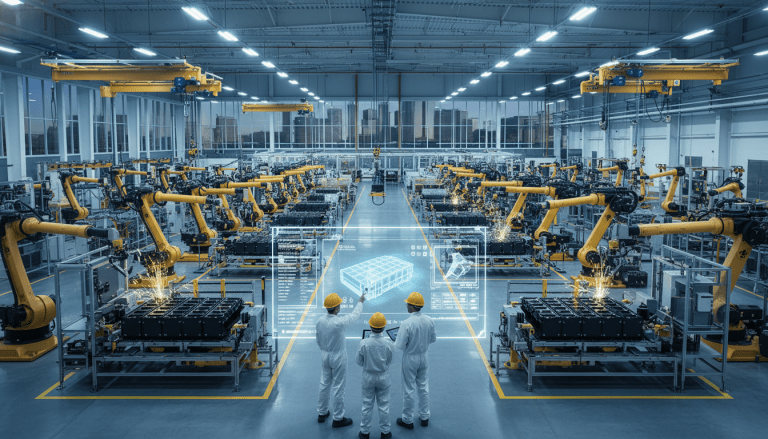
For decades, Detroit was the global hub for mechanical engineering. However, the modern vehicle is increasingly becoming a computer on wheels. According to data from the Michigan Economic Development Corporation (MEDC), the state needs to fill thousands of tech-focused engineering roles over the next decade to maintain its leadership position.
“The skill sets required today are fundamentally different than they were ten years ago,” said a representative from MICHauto, a localized economic development initiative. “We are seeing a massive demand for electrical engineers, software developers, and systems architects. If we cannot cultivate this talent locally, the industry will look elsewhere.”
This urgency is driving new initiatives across the metro area. Major employers like Ford and General Motors are seeking talent capable of navigating battery chemistry, artificial intelligence, and cybersecurity, creating a competitive market for high-skilled workers.
University Partnerships Driving Change
To address the shortage of Detroit engineering talent, local educational institutions are overhauling their curriculums. Wayne State University and the University of Michigan are actively partnering with industry leaders to create specialized tracks focused on mobility and electrification.
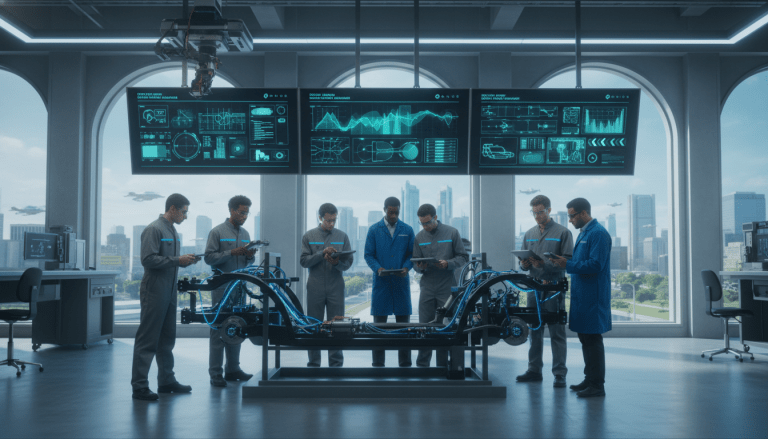
These programs are designed to provide students with hands-on experience before they even graduate. By integrating real-world problem-solving into the classroom, universities hope to reduce the onboarding time for new hires and ensure graduates are ready to contribute immediately.
For more on how local education is adapting, read about Wayne State’s recent tech hub grants and the expansion of STEM education programs in Detroit high schools.
Impact on Detroit Residents
For the residents of Detroit, this shift represents a significant economic opportunity. The push for a robust engineering pipeline is not limited to those with advanced degrees; it also includes a focus on skilled trades and certification programs relevant to EV manufacturing.
Expanding the talent pool means access to high-paying, stable careers for locals. As companies localize their supply chains to comply with federal incentives, the ripple effect is expected to boost the local service economy, real estate market, and tax base. However, it also highlights the need for equitable access to STEM education in underrepresented neighborhoods to ensure all Detroiters can participate in this new economy.
Retaining Talent in the Motor City
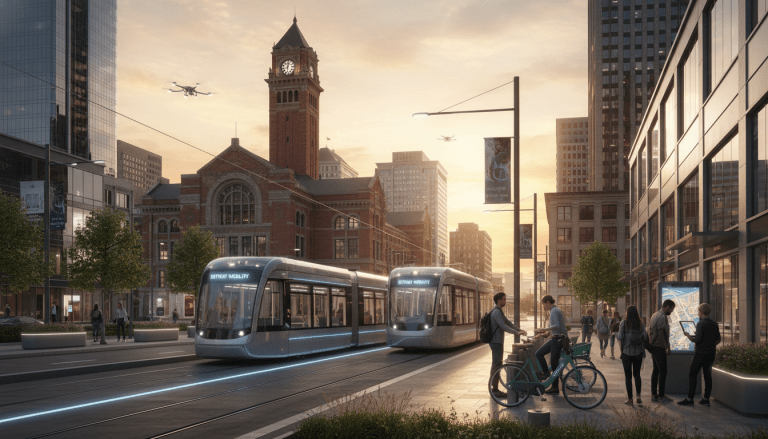
Recruiting students is only half the battle; retaining them is the other. Historically, Michigan has struggled with “brain drain,” seeing top graduates depart for tech hubs in California or Texas. To combat this, the Jobs, Business, & Startups sector in Detroit is focusing on placemaking—creating a vibrant urban environment that appeals to young professionals.
“It is not just about the job anymore; it is about the lifestyle,” noted a local workforce development analyst. “Detroit offers a cost of living significantly lower than Silicon Valley, combined with a revitalized culture and arts scene. We are seeing more engineering graduates choosing to stay because they see a future here.”
What Happens Next
The race to secure top Detroit engineering talent will likely intensify as the 2030 targets for EV adoption draw closer. State officials are expected to announce further incentives for workforce development in the coming fiscal year, targeting both university-level engineering and vocational training.
For Detroit, the success of this pipeline is existential. By successfully merging its manufacturing heritage with new-age technology skills, the city aims to redefine itself not just as the place where cars are made, but where the future of mobility is engineered.