
By Sarah Jenkins
Published: October 24, 2023
Location: Detroit, Michigan
Detroit EV Transition: How Electrification is Reshaping the Motor City
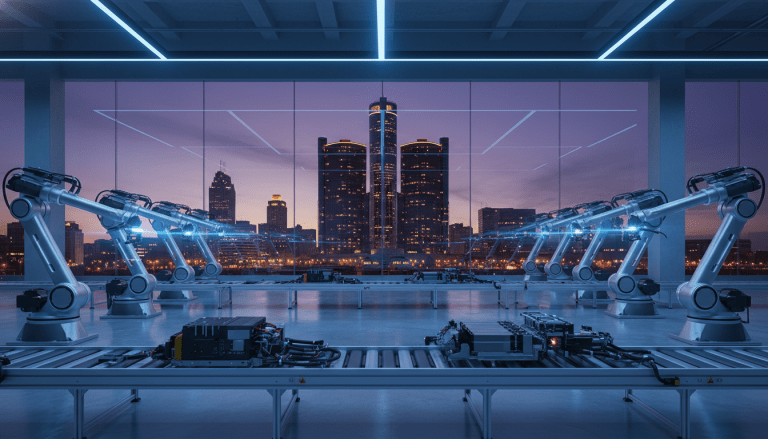
For over a century, Detroit has been defined by the internal combustion engine. Today, the city stands at the precipice of its most significant industrial pivot since the introduction of the assembly line. The Detroit EV transition is no longer a distant concept; it is a rapidly evolving reality reshaping the local economy, infrastructure, and workforce.
As the global automotive industry races toward a zero-emissions future, Detroit’s “Big Three”—General Motors, Ford, and Stellantis—are investing billions into electrifying their fleets. However, for the residents of Detroit, this shift brings questions about job security, charging accessibility, and how the fabric of the Motor City will change in the coming decade.
The Industrial Shift: Factory ZERO and Beyond
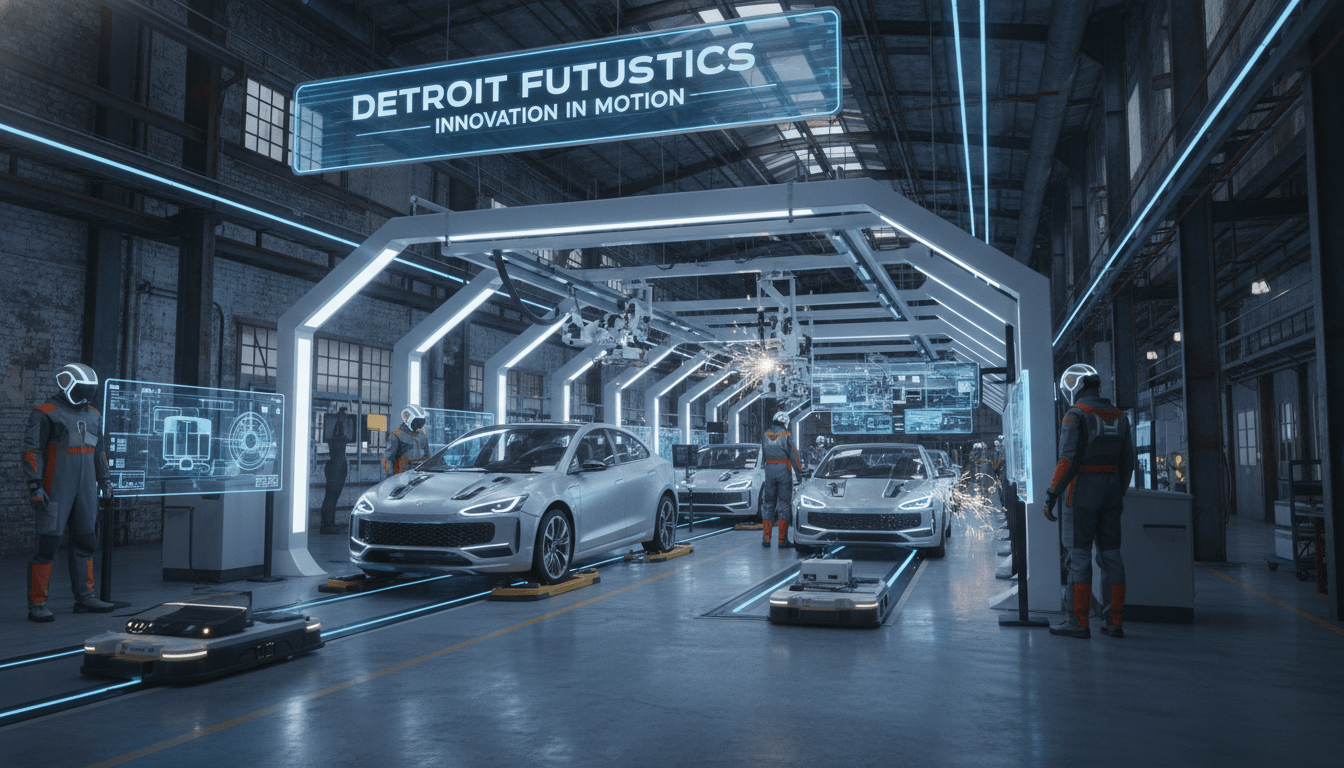
The centerpiece of the Detroit EV transition is visible in Hamtramck and Detroit’s borders at Factory ZERO, General Motors’ first fully dedicated electric vehicle assembly plant. Formerly the Detroit-Hamtramck Assembly Center, the facility underwent a massive $2.2 billion renovation to produce the GMC Hummer EV and the Chevy Silverado EV.
According to General Motors, the plant is a testament to the company’s commitment to keeping manufacturing jobs within the region. However, the nature of these jobs is changing. Electric vehicles require fewer moving parts than traditional gas vehicles, shifting the demand toward software integration and battery technology skills.
“We are seeing a fundamental change in what it means to be an autoworker,” said a representative from the UAW during recent contract negotiations. “The priority now is ensuring that the transition to electric doesn’t leave the traditional workforce behind.”
Impact on Detroit Residents
While the industrial investments make headlines, the Detroit EV transition has tangible impacts on local neighborhoods. One of the primary hurdles remains infrastructure. For electric vehicles to be viable for the average Detroiter, charging stations must be as ubiquitous as gas stations.
Data from the U.S. Department of Energy indicates that while Michigan has increased its public charging ports significantly, disparities exist in urban residential areas. The City of Detroit has acknowledged this gap and is working with state partners to deploy chargers in multifamily housing districts and public parks.
Furthermore, the economic ripple effect is being felt in the local business sector. Suppliers who historically provided pistons, mufflers, and fuel systems are now pivoting to create battery casings and electric drivetrains, creating a volatile but opportunity-rich environment for Detroit entrepreneurs.
Background & Data: The Michigan Mobility Plan
The push for electrification is heavily supported by state policy. The Michigan Economic Development Corporation (MEDC) has outlined the “MI Future Mobility Plan,” which aims to maintain Michigan’s status as the global leader in automotive innovation.
Key statistics driving this push include:
- Investment: Over $13 billion in EV and battery manufacturing investments in Michigan since 2020.
- Job Growth: Projected growth of 30,000 to 40,000 new mobility-related jobs by 2030.
- Adoption: A state goal to deploy 100,000 EV chargers by 2030 to support 2 million EVs on Michigan roads.
This data suggests that the Detroit EV transition is not just a corporate strategy but a coordinated state-wide economic offensive designed to prevent manufacturing hubs from shifting to the southern United States.
What Happens Next?
As 2024 approaches, the focus will turn to affordability and adoption. Currently, the price point of many EVs remains high for the average Detroit household. However, as production scales at facilities like Factory ZERO and battery costs decrease, experts predict a broader demographic shift in ownership.
For the city, the immediate next steps involve zoning updates to accommodate charging infrastructure and continued workforce development programs. The future of Detroit living will likely involve a blend of historic preservation and high-tech mobility, ensuring the Motor City remains the world’s automotive capital, regardless of what fuels the engines.