As the mid-winter chill settles over Southeast Michigan, the city’s cultural and civic institutions are countering the temperature drop with a robust schedule of programming. The slate of Detroit events this weekend highlights a strategic push by local organizations to maintain tourism and resident engagement during the traditionally slower post-holiday season. From the icy banks of the Detroit Riverfront to the warmth of the Cultural Center, this January weekend offers a distinct blend of outdoor recreation and artistic exploration.
According to data from Visit Detroit, winter tourism has become an increasingly vital component of the local economy, with January events serving as a bridge between the holiday rush and the spring thaw. This weekend’s lineup demonstrates the city’s resilience and the growing trend of year-round activation in public spaces that were once dormant during the coldest months.
Winter at Valade Anchors Riverfront Activities
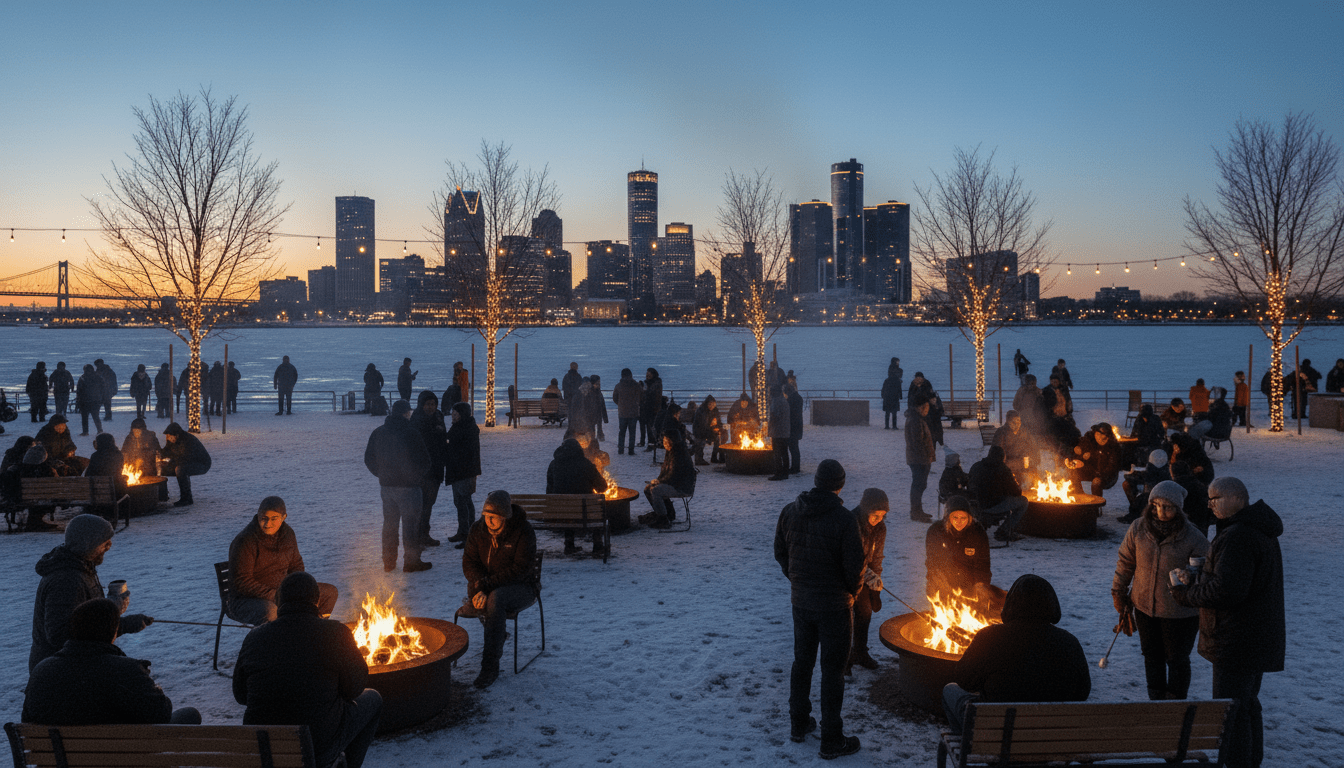
Leading the charge for outdoor engagement is the ongoing programming at Valade Park along the Detroit Riverfront. The Detroit Riverfront Conservancy has transformed the space into a winter destination, a move that has significantly altered how residents utilize the riverwalk in January. This weekend features the popular “Winter at Valade” series, which includes oversized fire pits, sledding hills, and synthetic ice curling.
Officials from the Detroit Riverfront Conservancy have noted that consistent winter programming is essential for community connectivity. By providing amenities such as heated tents and live music, the Conservancy aims to alleviate the isolation often associated with Michigan winters. Reports indicate that foot traffic along the Riverwalk has remained steady despite freezing temperatures, largely driven by these curated events.
“The goal is to create a town square atmosphere regardless of the weather,” a representative for the Conservancy stated in a recent press release. “When we provide the infrastructure—warmth, food, and activities—Detroiters show up.”
For residents planning to attend, the programming runs throughout the weekend, with specific focus on family-oriented activities during the daylight hours and live entertainment in the evenings. This initiative aligns with broader city goals to make Detroit Riverfront development a year-round asset rather than a seasonal luxury.
Cultural Center and Midtown Happenings
While the riverfront braves the cold, the Cultural Center in Midtown is offering warmth and intellectual engagement. The Detroit Institute of Arts (DIA) continues to be a major draw for Detroit events this weekend, hosting special exhibitions and film screenings that attract visitors from the tri-county area.
This weekend, the DIA is highlighting its commitment to diverse storytelling with gallery talks and workshops. According to the museum’s schedule, extended Friday hours are designed to accommodate the working population, offering a “Friday Night Live” series that often features local musicians. This consistent programming not only supports the arts but also drives foot traffic to nearby restaurants and businesses in the Midtown district.
Furthermore, the Charles H. Wright Museum of African American History is preparing for upcoming Black History Month celebrations, with preliminary events and educational workshops taking place this weekend. These institutions serve as critical anchors, ensuring that the city’s cultural pulse remains active even when the weather discourages outdoor movement.
Impact on Detroit Residents and Local Economy
The concentration of events in January has a tangible economic impact on local small businesses. When major institutions host events, the ripple effect is felt by nearby coffee shops, diners, and parking operators. Business owners in the Cass Corridor and Downtown have frequently reported that event-driven weekends are crucial for survival during the “lean months” of Q1.
Local economists suggest that the shift toward year-round event planning helps stabilize employment in the hospitality sector. Instead of significant layoffs following the New Year, a steady stream of Detroit local business activity fueled by weekend events allows staff to retain hours.
For residents, the mental health benefits are equally significant. Sociological studies cited by urban planning experts suggest that “third places”—community spaces distinct from home and work—are vital for combating Seasonal Affective Disorder (SAD). By offering accessible, low-cost events, the City of Detroit provides avenues for social interaction that are otherwise scarce in winter.
Traffic, Infrastructure, and Logistics
With the influx of attendees for various Detroit events this weekend, the Department of Public Works is advising residents to be mindful of potential congestion, particularly around the District Detroit area where sports traffic may overlap with cultural event attendees.
The Detroit People Mover and the QLINE remain viable options for navigating the downtown corridor without the hassle of parking. Transportation officials have emphasized the utility of the QLINE for moving between the Downtown and Midtown event clusters. Ridership data from the QLINE often shows spikes on event-heavy weekends, validating the transit system’s role in connecting the city’s activity hubs.
Data from the City of Detroit’s parking department indicates that garage capacity is generally sufficient in January, though street parking remains competitive. Visitors are encouraged to utilize mobile apps to secure parking in advance, particularly near Little Caesars Arena if a Red Wings or Pistons game coincides with other downtown activities.
What Happens Next: The January Outlook
Looking beyond this weekend, the calendar for Detroit remains active. The momentum generated by these early January events sets the stage for the upcoming Winter Blast in Royal Oak (which moved from downtown Detroit but remains a regional draw) and pre-festival activities leading into the spring season.
Community organizers are already looking toward February, with planning committees for neighborhood associations finalizing schedules for Black History Month. The continuity of events suggests a permanent shift in Detroit’s event strategy: moving away from a summer-heavy model to a balanced, four-season approach.
As the weekend approaches, residents are encouraged to check official venue websites for last-minute schedule changes due to weather. For reliable updates on municipal services and road closures, the City of Detroit official website remains the primary resource for logistical information.
In summary, this weekend in Detroit offers a testament to the city’s endurance and vibrancy. Whether through the frosty recreation at Valade Park or the quiet contemplation within the DIA, the opportunities for engagement reflect a city that is very much alive, regardless of the thermometer reading.