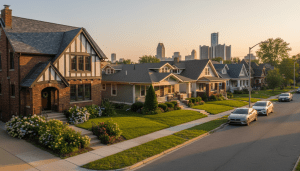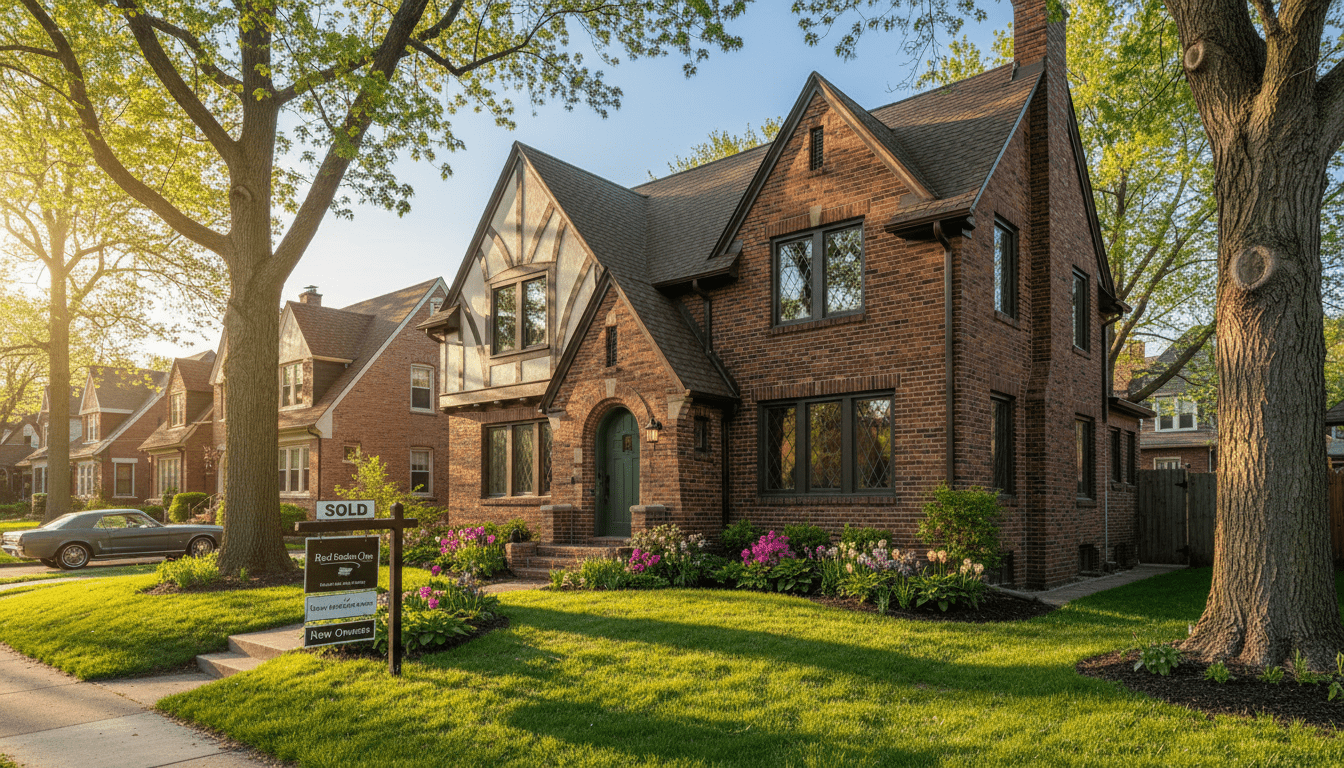
For decades, the narrative surrounding Detroit real estate focused heavily on vacancy and blight. However, a significant shift has occurred in recent years, transforming the city into a landscape of opportunity for residents seeking to transition from renting to owning. As property values stabilize and inventory in key neighborhoods tightens, navigating the market has become complex. For local residents, understanding available Detroit first-time homebuyer programs and the nuances of the current housing stock is no longer just helpful—it is essential.
While interest rates remain a hurdle nationally, Detroit presents a unique micro-economy where affordability is still attainable compared to coastal markets. However, the barrier to entry often remains the upfront cash required for closing costs and down payments. In response, city officials and state agencies have bolstered support systems designed to keep Detroiters in Detroit, fostering generational wealth through property ownership.
Navigating Down Payment Assistance Initiatives
One of the most critical developments for prospective buyers is the expansion of financial aid. The City of Detroit’s Housing & Revitalization Department has continued to prioritize the Down Payment Assistance (DPA) program, which has been a lifeline for many locals. Originally funded with American Rescue Plan Act (ARPA) dollars, the program targets residents who have lived in the city for at least a year and did not own a home in the past three years.
According to the City of Detroit, qualifying residents may receive up to $25,000 in grant funding. This capital is not a loan that requires monthly repayment; rather, it is forgiven over time as long as the recipient maintains the property as their primary residence. This initiative addresses the “appraisal gap” often seen in recovering neighborhoods, where the cost to renovate or purchase a home exceeds the immediate appraised value.
“The biggest hurdle for our residents isn’t always the monthly mortgage payment, but the check they have to write at the closing table,” said a representative from a local housing counseling agency. “Programs like the Detroit DPA and the Michigan State Housing Development Authority’s (MSHDA) MI 10K DPA loan are bridging that gap.”
MSHDA’s programs operate statewide but are heavily utilized within Detroit. The MI 10K DPA offers a loan of up to $10,000 to cover down payment and closing costs. Combining these state-level resources with city-specific grants requires careful navigation, often necessitating the help of a knowledgeable lender familiar with Detroit housing development incentives.
The Role of Housing Counseling and Preparation
Financial readiness extends beyond securing grants. A mandatory requirement for nearly all Detroit first-time homebuyer programs is the completion of a homebuyer education course. These courses, facilitated by HUD-certified agencies such as U-SNAP-BAC or Central Detroit Christian, provide residents with a realistic outlook on the responsibilities of homeownership.
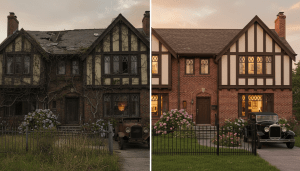
Housing counselors report that many first-time buyers are unaware of the hidden costs of owning older Detroit homes. With much of the city’s housing stock built before 1960, issues regarding lead paint, aging roofs, and outdated electrical systems are common. The education component ensures that buyers are not just purchasing a home but are prepared to maintain it.
Furthermore, understanding property taxes is vital. Detroit has one of the highest property tax rates in the nation, though the city has implemented measures to mitigate this for new buyers. The Neighborhood Enterprise Zone (NEZ) Homestead exemption creates a significant tax reduction for homeowners in designated zones for up to 15 years. Verifying if a potential property falls within an NEZ zone is a step experts advise taking early in the search process.
Impact on Detroit Residents and Neighborhood Stability
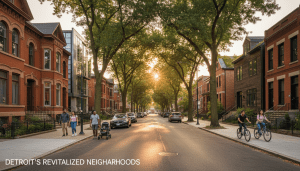
The push for homeownership is about more than individual financial security; it is a strategy for neighborhood stabilization. When residents own their homes, turnover decreases, and community investment increases. Data suggests that neighborhoods with higher owner-occupancy rates see faster appreciation in property values and lower crime rates.
For longtime Detroiters, the current market presents a narrow window to secure assets before values rise further. Neighborhoods like Bagley, Fitzgerald, and East English Village have seen competitive bidding wars, a stark contrast to the market conditions of a decade ago. By utilizing Detroit first-time homebuyer programs, residents can compete against out-of-state investors who have historically purchased starter homes with cash.
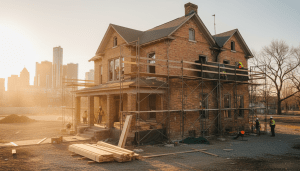
Local real estate agents emphasize that the “move-in ready” inventory is low. Consequently, many first-time buyers are turning to the Detroit Land Bank Authority (DLBA). While the DLBA offers properties at lower price points, these homes often require significant rehabilitation. The outcome is a trade-off: a lower purchase price in exchange for managing a complex renovation project, often regulated by strict compliance timelines.
Current Market Data and Inventory Challenges
Reporting from local real estate associations indicates that while inventory has ticked up slightly, the supply of affordable, habitable homes remains tight. The median sale price in Detroit continues to trend upward, though it remains significantly lower than the surrounding suburbs of Ferndale or Royal Oak.
According to recent housing reports, the competition is fiercest in the $80,000 to $150,000 price range—the sweet spot for first-time buyers. In this bracket, buyers are advised to have their pre-approval letters ready and, if eligible, their DPA paperwork in order before making an offer.
“Speed matters,” notes a local broker. “If you are waiting to figure out your financing after you see the house, you will likely lose it to a buyer who had their financial planning done months in advance.”
Looking Ahead: The Future of Ownership in the City
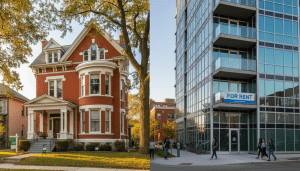
As 2025 progresses, the emphasis on affordable housing development remains a focal point for the administration. New developments that include units set aside for affordable homeownership are breaking ground, offering an alternative to the rehabilitation of century-old structures.
For the prospective buyer, the path forward involves diligence. Leveraging resources like the City of Detroit Housing website, attending community meetings, and connecting with non-profit lenders are the most effective ways to navigate the landscape.
While the process is rigorous, the consensus among housing advocates is clear: the tools to achieve homeownership in Detroit are more robust now than they have been in years. The challenge lies in connecting residents with these resources effectively to ensure that the city’s recovery includes the people who have stayed through its most difficult chapters.