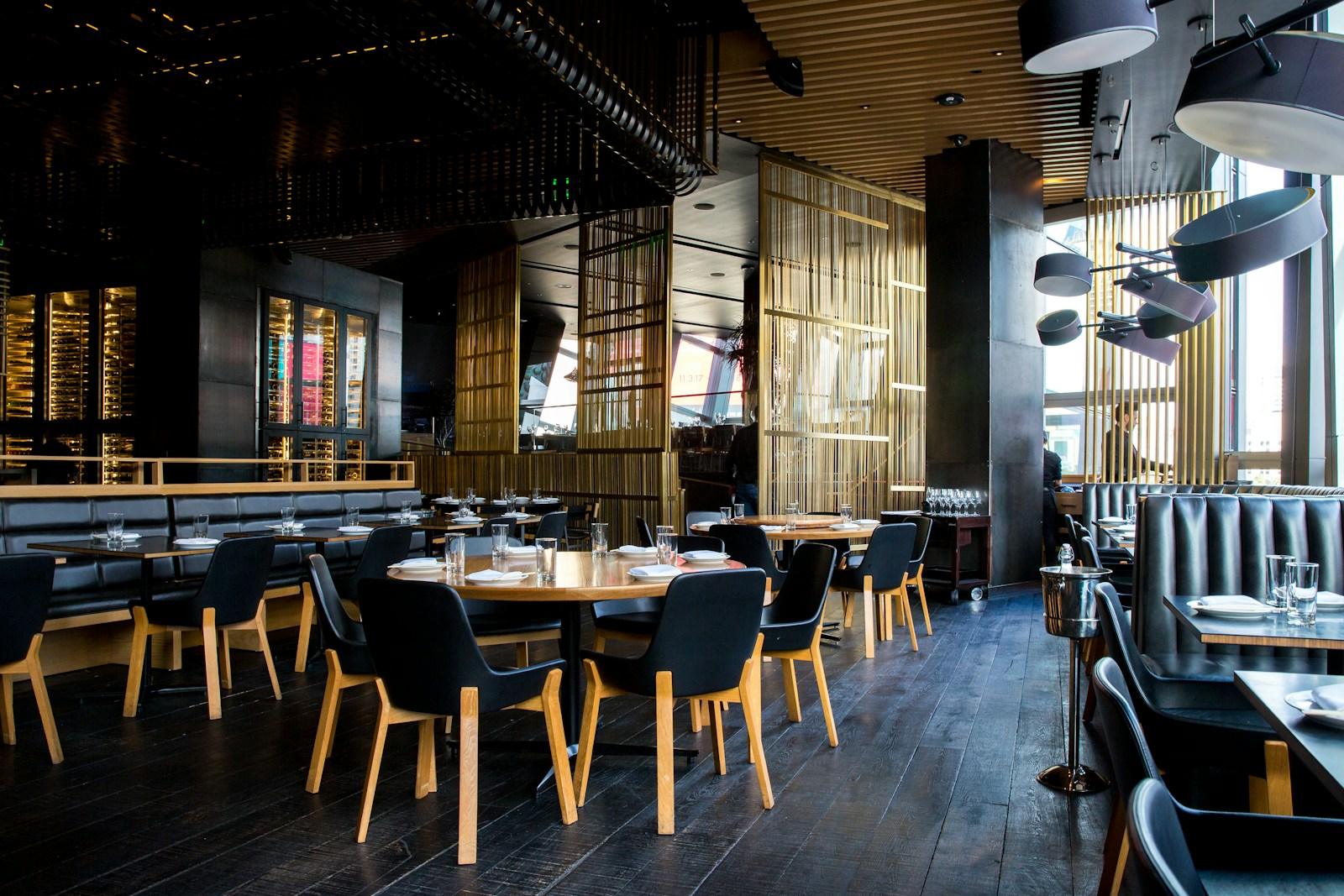
Detroit food scene has evolved far beyond its traditional roots, transforming the city into one of the Midwest’s most talked-about culinary destinations.
Once known almost exclusively for coney dogs and square Detroit-style pizza, the city’s dining culture now includes award-winning chefs, farm-to-table restaurants, immigrant-owned food corridors, and a fast-growing craft beverage industry.
Over the past decade, new investment, cultural diversity, and a new generation of local chefs have reshaped what it means to eat in Detroit.
The Evolution of Detroit’s Modern Food Scene
The modern Detroit food scene did not emerge overnight. It developed through a mix of grassroots entrepreneurship, cultural preservation, and renewed interest in the city’s culinary identity.
Details
Historically, Detroit’s food culture was shaped by waves of immigration and industrial labor. Polish, Middle Eastern, Italian, Mexican, and African American communities contributed flavors that formed the foundation of the city’s culinary diversity.
In recent years, new restaurants across Midtown, Corktown, and Downtown have blended these cultural traditions with modern cooking techniques and design, attracting national attention.
Detroit-Style Pizza and the Birth of a National Trend
Detroit-style pizza became one of the most visible exports of the Detroit food scene.
Details
What began in small neighborhood pizzerias like Buddy’s and Cloverleaf has grown into a national phenomenon. Major restaurant chains and independent pizzerias across the country now offer Detroit-style pizza, recognizing its signature crispy edges and airy interior.
According to food industry trend reports, searches for Detroit-style pizza have increased dramatically in recent years, reflecting the national curiosity about Detroit’s culinary heritage.
Related coverage:
Detroit’s Iconic Foods: Coney Dogs, Detroit-Style Pizza & More
How Immigrant Communities Shaped Detroit Dining
The Detroit food scene is inseparable from the city’s cultural and immigrant history.
Details
Southwest Detroit’s Mexican cuisine, Hamtramck’s Middle Eastern and South Asian restaurants, and the broader region’s Arab American community in nearby Dearborn have positioned Metro Detroit as one of the most diverse food regions in the U.S.
From shawarma and baklava to tacos and pierogi, these cuisines operate as both cultural preservation and economic drivers.
Local chefs increasingly collaborate across cultures, creating fusion concepts that reflect Detroit’s layered identity.
The Rise of Detroit’s Chef-Driven Restaurants
Another major driver of the Detroit food scene has been the emergence of chef-led concepts.
Details
Detroit-based chefs have increasingly gained national recognition, earning placements on food media lists and receiving regional and national awards.
New restaurant openings emphasize seasonal ingredients, local sourcing, and creative interpretations of traditional dishes.
While high-end dining continues to grow, many chefs are also investing in neighborhood-based concepts to ensure the food renaissance remains accessible to a wider audience.
Craft Beer, Coffee, and Cocktail Culture
Beyond restaurants, Detroit’s beverage culture is becoming a critical part of the Detroit food scene.
Details
Craft breweries like Atwater Brewery and Eastern Market Brewing Company have expanded across Detroit, attracting both locals and visitors.
The city’s coffee culture has also grown, with independent cafés serving as community gathering spaces in neighborhoods like Corktown, Midtown, and Downtown.
Detroit distilleries and cocktail bars have added another layer, blending industrial design heritage with mixology and local history.
More on this transformation:
Detroit Coffee Culture: Independent Cafés Brewing Community
Impact on Detroit’s Local Economy
The growth of the Detroit food scene has created economic opportunities across the city.
Details
New restaurants and food businesses have generated thousands of service industry jobs, while food tourism has become a growing segment of Detroit’s visitor economy.
According to data from Pure Michigan and Visit Detroit, food and drink events draw visitors from across the Midwest, boosting hotel, transportation, and retail sectors.
Small food entrepreneurs, including food trucks and pop-up kitchens, have also used the city as a launchpad for future brick-and-mortar operations.
Challenges and Accessibility
While the Detroit food scene thrives in certain districts, accessibility remains uneven across neighborhoods.
Details
Some areas continue to experience food deserts, with limited access to full-service grocery stores and healthy food options.
Urban farming initiatives and mobile food markets have emerged to help bridge this gap, but systemic barriers still persist.
Policy experts argue that maintaining affordability and access must accompany culinary growth to prevent food-based inequality.
What’s Next for Detroit’s Culinary Future
Industry observers believe the Detroit food scene will continue evolving as new chefs, entrepreneurs, and cultural influences shape its direction.
Details
Sustainable sourcing, food equity initiatives, and stronger connections between urban farms and local restaurants are expected to play a larger role in the city’s culinary landscape.
As Detroit’s population stabilizes and tourism grows, the city’s cuisine is increasingly becoming one of its defining assets.
Conclusion
The Detroit food scene represents more than dining trends — it reflects the city’s resilience, diversity, creativity, and economic rebirth.
From neighborhood kitchens to nationally recognized restaurants, Detroit’s transformation into a true foodie city is one of its most compelling modern success stories.
For broader context on Detroit’s national culinary recognition, see coverage from Architectural Digest:
Architectural Digest: Detroit’s Food Renaissance