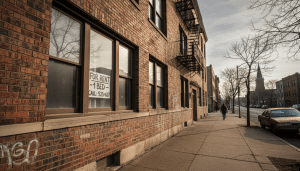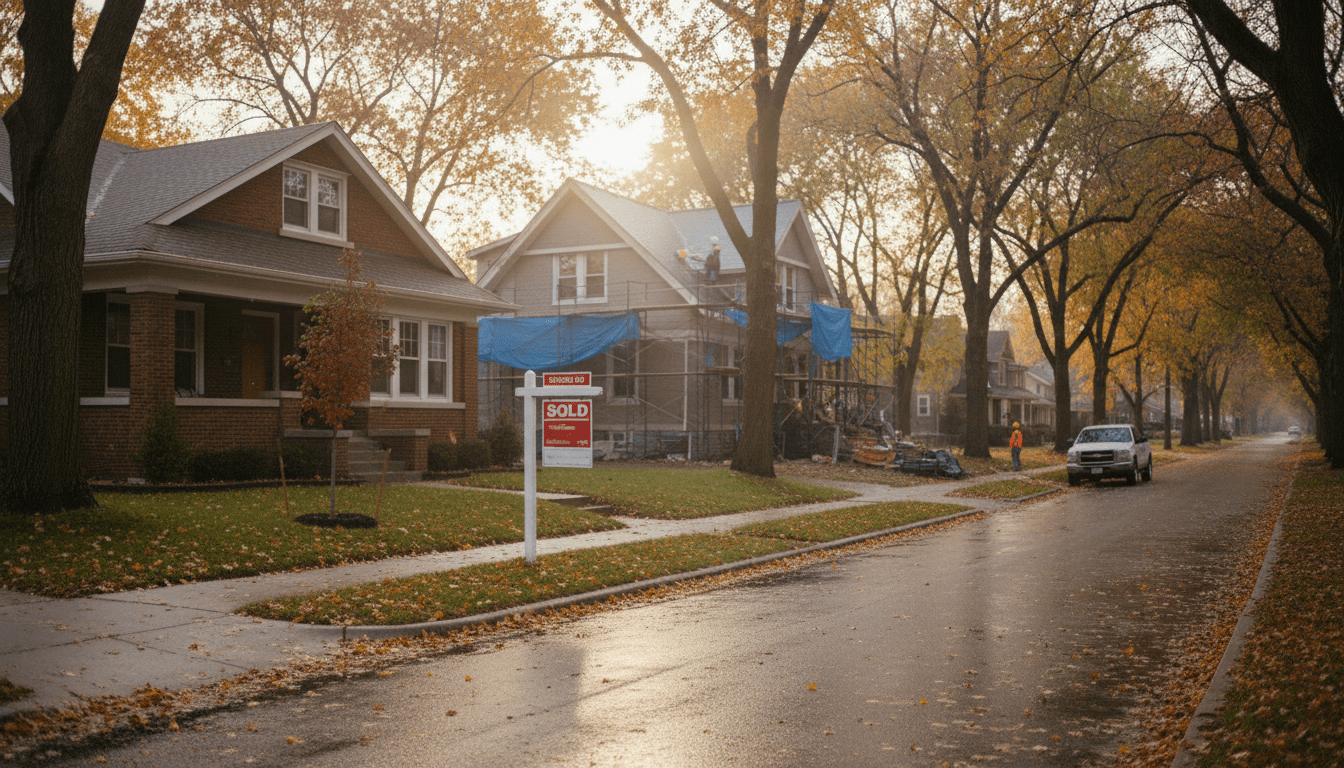
For over a decade, the autumn season in Detroit was synonymous with a massive influx of properties hitting the county auction block. Thousands of Detroit foreclosure homes would appear online, representing families displaced and neighborhoods at risk of further blight. However, the narrative concerning housing stability in the city is undergoing a significant shift. According to recent data from the Wayne County Treasurer’s Office, the volume of occupied homes entering the tax foreclosure auction has plummeted, driven by aggressive diversion programs and a renewed focus on keeping residents in their homes.
The annual tax foreclosure auction, once the largest of its kind in the United States, is seeing record-low numbers of occupied structures. This change marks a departure from the crisis years of 2015, when roughly 25,000 properties were foreclosed upon in a single year. Today, city officials and housing advocates are utilizing new tools to ensure that tax delinquency results in payment plans rather than eviction notices.
The Changing Landscape of Detroit Foreclosure Homes
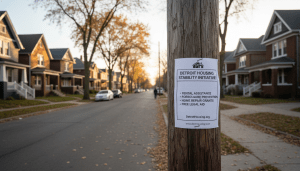
The reduction in foreclosures is not an accident of the market, but the result of deliberate policy interventions. The Wayne County Treasurer’s Office, led by Treasurer Eric Sabree, has implemented various strategies to reduce the pipeline of Detroit foreclosure homes. Key among these is the implementation of the Pay As You Stay (PAYS) program, which reduces the tax burden for lower-income homeowners.
Furthermore, the nonprofit sector has stepped in with substantial resources. The Gilbert Family Foundation, in partnership with local organizations, pledged $500 million over ten years to Detroit neighborhoods, with a significant portion dedicated to paying off back taxes for low-income residents. This philanthropic intervention has successfully removed thousands of properties from the foreclosure risk list before they ever reached the auction stage.
“The goal is no longer just to collect taxes, but to stabilize neighborhoods,” said a spokesperson for the United Community Housing Coalition (UCHC), a non-profit heavily involved in tax foreclosure prevention. “Every time we prevent a home from becoming one of the many Detroit foreclosure homes sold to an out-of-state speculator, we preserve a piece of the community fabric.”
Impact on Detroit Residents
For local families, the shift in policy has immediate, tangible benefits. In previous years, tenants living in foreclosed homes often found out their residence was sold only when a new owner appeared on their doorstep. Today, the “Make It Home” program allows tenants living in foreclosure-bound properties the “right of first refusal” to purchase the home for the cost of back taxes.
This program has converted hundreds of Detroit renters into homeowners, allowing them to build equity rather than facing displacement. By keeping families in place, the city avoids the cascading effects of vacancy, which often leads to stripping, scrapping, and eventual demolition. Stabilized housing connects directly to broader neighborhood revitalization efforts that are finally taking root in areas outside of the downtown core.
Residents in neighborhoods like Cody Rouge and Osborn are seeing fewer boards on windows and more families utilizing payment plans. This stability is crucial for the local school system as well, as housing instability is a primary driver of chronic absenteeism among Detroit students.
Background & Data: From Crisis to Stabilization
To understand the significance of current trends, one must look at the historical data provided by the Wayne County Treasurer’s Office. Between 2011 and 2015, one in three Detroit properties experienced tax foreclosure. This era was exacerbated by what the City of Detroit later admitted were over-assessed property values, leading to tax bills that exceeded the actual market value of the homes.
Since the correction of these assessments and the introduction of poverty tax exemptions (HPTAP), the pipeline of Detroit foreclosure homes has shrunk. In 2023, the number of owner-occupied homes foreclosed upon dropped to historic lows, a stark contrast to the thousands recorded just seven years prior. However, challenges remain regarding “zombie properties”—homes that are vacant, hold significant tax debt, and have unclear title ownership.
The Detroit Land Bank Authority (DLBA) continues to manage a significant inventory of vacant structures. While the DLBA’s “Own It Now” auctions differ from the County’s tax foreclosure auction, the two systems are intrinsically linked. Properties that fail to sell at the county level often revert to the Land Bank, which then attempts to market them to residents committed to rehabilitation.
The Role of Speculators
One of the lingering issues with Detroit foreclosure homes involves bulk buyers. In the past, international and out-of-state investors would purchase bundles of homes for as little as $500 each, often doing little to maintain them. The city has since tightened regulations on rental properties and cracked down on slumlords, making the “buy and hold” strategy less profitable for negligent investors.
While the volume of auction sales has decreased, the prices for the remaining properties have risen, reflecting a generally heating Detroit real estate market. This price increase acts as a double-edged sword: it signals increased value in Detroit neighborhoods, but it also makes it harder for lower-income residents to win bids against cash-heavy investors if a home does slip through the safety net.
What Happens Next
Looking ahead, the focus for city leaders is sustainability. The expiring federal COVID-19 relief funds, which helped many homeowners catch up on bills, poses a new challenge. The city is currently debating permanent funding mechanisms for home repair grants and tax relief assistance to ensure the numbers don’t spike again.
Additionally, property tax reforms currently being discussed in the state legislature could permanently alter how Detroit foreclosure homes are handled, potentially creating a system where long-term residents are protected from tax spikes caused by gentrification.
For now, the era of the massive annual foreclosure auction appears to be fading, replaced by a more nuanced, albeit complex, system of diversion, exemption, and non-profit intervention designed to keep Detroiters in Detroit.