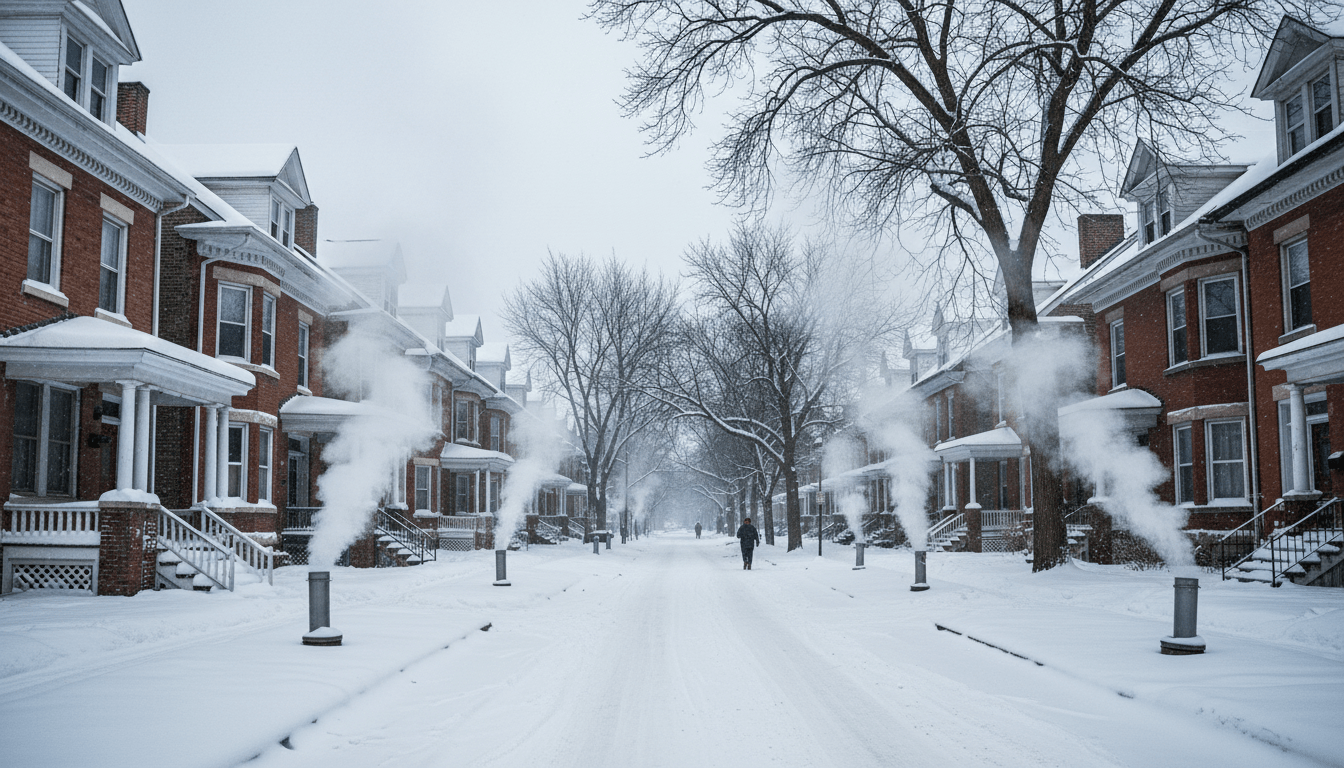
As temperatures begin to drop across Southeast Michigan, concerns regarding home heating costs are rising in tandem with energy rates. For thousands of households in the city, the winter season brings the daunting challenge of balancing essential expenses with the cost of staying warm. In response, state agencies and local non-profits are actively encouraging Detroit residents to apply for available Detroit heating assistance programs before the coldest months arrive.
With utility debt accumulating for many families during the inflationary period of the last year, understanding the landscape of available aid—from the State Emergency Relief (SER) program to non-profit intervention—is critical for vulnerable residents. Officials emphasize that early application is key to avoiding service interruptions.
State Emergency Relief and Federal Aid
The primary line of defense for low-income households remains the State Emergency Relief (SER) program, administered by the Michigan Department of Health and Human Services (MDHHS). This program is designed to assist households that are facing an immediate crisis, such as a past-due notice, a shut-off notice, or a depleted fuel tank for those relying on propane or oil.
According to the MDHHS, the program is supported significantly by the federal Low Income Home Energy Assistance Program (LIHEAP). Eligibility is determined based on household income, the number of household members, and the amount of liquid assets available. For Detroit residents, applying for SER is often the requisite first step before qualifying for additional assistance from non-profit organizations.
In addition to crisis relief, the Home Heating Credit offers a way to offset costs for the 2024-2025 season. This tax credit is available to eligible residents regardless of whether they owe income tax. The credit is calculated based on household income and the number of exemptions claimed, providing a financial buffer that is applied directly to utility bills or issued as a check.
Impact on Detroit Residents
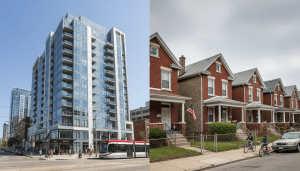
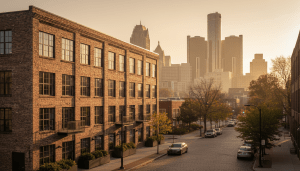
The need for reliable Detroit heating assistance is particularly acute within the city limits due to the intersection of economic factors and infrastructure. Detroit’s housing stock, while historic and architecturally significant, often lacks modern insulation and energy-efficient windows. This results in what experts call a high "energy burden"—the percentage of household income spent on utility bills.
Data from the U.S. Census Bureau indicates that the poverty rate in Detroit remains significantly higher than the national average. When combined with older housing infrastructure that leaks heat, many families pay disproportionately high amounts to maintain a safe temperature in their homes.
Local advocacy groups point out that utility shut-offs have a cascading effect on public health and safety. Without heat, families may resort to unsafe heating methods, such as space heaters or stove burners, which significantly increase the risk of residential fires. Furthermore, unstable housing conditions caused by utility debt can lead to displacement, further stressing the city’s social services.
For more on how housing conditions affect local stability, read our coverage on Detroit housing infrastructure updates.
Non-Profit and Utility Provider Programs
Beyond state aid, several organizations fill the gaps for those who may not qualify for full state relief or who have exhausted their benefits. The Heat and Warmth Fund (THAW) remains a cornerstone of utility philanthropy in the region. THAW distributes utility assistance to low-income residents across Michigan, with a heavy concentration of aid going to Detroit households.
Wayne Metropolitan Community Action Agency (Wayne Metro) also plays a pivotal role. They administer the Michigan Energy Assistance Program (MEAP), which not only provides financial assistance but also includes self-sufficiency services. These services are designed to help residents improve financial management and reduce future energy usage through weatherization education.
DTE Energy, the primary utility provider for the region, offers the Low Income Self-Sufficiency Plan (LSP). This program allows eligible customers to make affordable monthly payments based on their income rather than their usage. If participants keep up with these adjusted payments, their past-due portions are gradually forgiven.
Residents concerned about immediate shut-offs should also be aware of the Winter Protection Plan (WPP). This program protects seniors and low-income customers from service shut-offs and high utility bill payments from November 1 through March 31. While it does not erase debt, it prevents the loss of heat during the most dangerous months of the year.
Application Steps and Documentation
Applying for Detroit heating assistance requires preparation. Residents are generally required to provide:
- Proof of income (pay stubs, Social Security statements, etc.)
- Recent bank statements
- Copy of the most recent utility bill or shut-off notice
- Identification for all household members
Residents are encouraged to apply online via the MI Bridges portal for state assistance or contact Wayne Metro directly for local support services.
Looking Ahead: Long-Term Solutions
While emergency funds provide a necessary stopgap, city officials and energy advocates are increasingly focused on long-term sustainability. New initiatives aimed at "weatherization"—retrofitting homes to be more energy-efficient—are gaining traction. Federal funding allocated to the City of Detroit is slowly being deployed to upgrade roofs, windows, and furnaces in low-income neighborhoods.
These efforts aim to permanently lower the energy burden for Detroiters, ensuring that future winters are less financially perilous. Until those upgrades reach critical mass, however, the reliance on financial assistance programs remains a yearly reality for thousands.
Stay updated on local development projects that may include community resources by visiting our Detroit community development section.