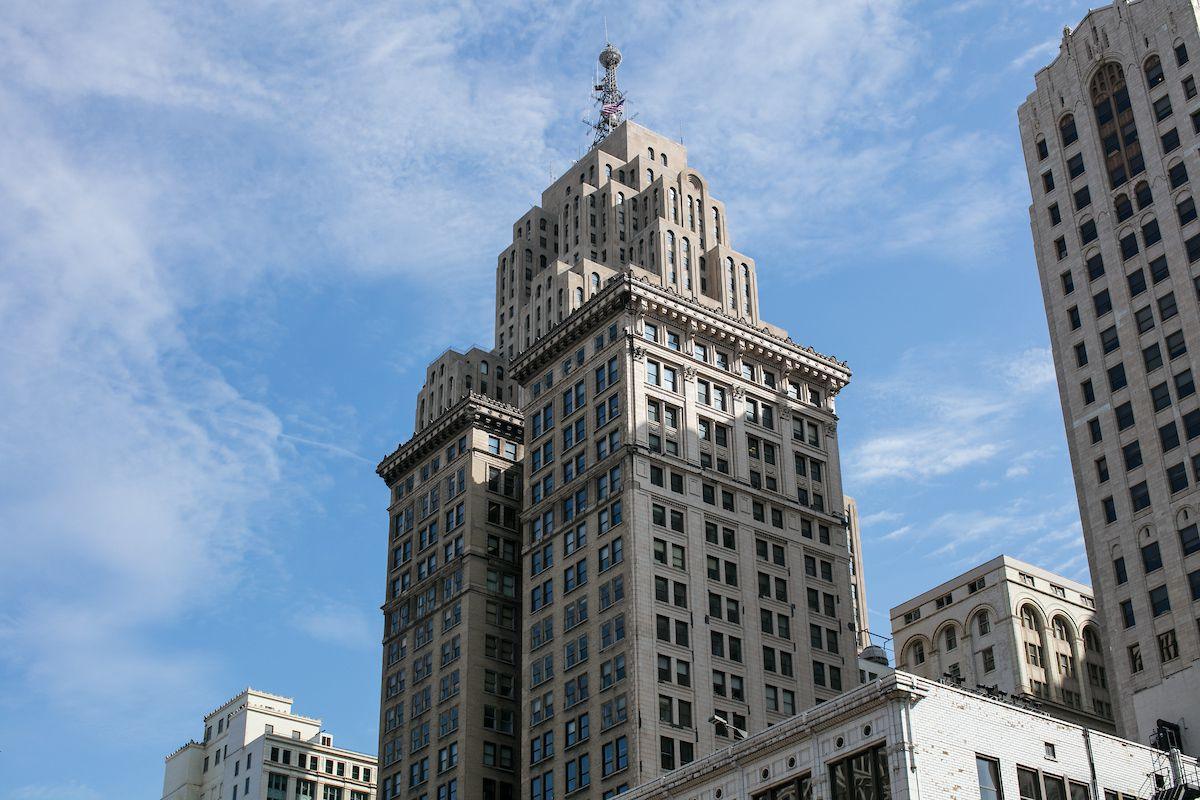
Detroit historic landmarks are some of the most recognizable symbols of the city’s industrial power, cultural contributions, and architectural legacy. As Detroit continues its resurgence, these landmarks play a central role in preserving the city’s history while shaping its modern identity.
From grand Art Deco skyscrapers to restored train stations and beloved public spaces, Detroit’s historic structures highlight both its resilience and reinvention.
This guide explores the city’s most iconic landmarks, their history, and their growing significance as Detroit evolves.
Detroit’s Architectural Identity
The story of Detroit historic landmarks begins with the city’s golden age of architecture.
Details
In the early 20th century, Detroit became a showcase for world-class architects, resulting in a skyline filled with Art Deco masterpieces, Beaux-Arts buildings, and modernist innovations.
These structures remain among the most impressive examples of early American skyscraper design, earning Detroit a place among the most architecturally rich cities in the Midwest.
Michigan Central Station
One of the most famous Detroit historic landmarks is Michigan Central Station.
Details
Once abandoned for decades, the station became an international symbol of Detroit’s decline — and now its comeback. Ford Motor Company’s multibillion-dollar restoration has transformed the building into the centerpiece of the new Michigan Central innovation campus in Corktown.
The project has sparked new development, tech investment, and community programming in the neighborhood.
More coverage:
How Michigan Central Station Is Driving Detroit’s Tech Future
The Guardian Building
The Guardian Building remains one of the most striking Detroit historic landmarks.
Details
Completed in 1929, the building is considered a crown jewel of Art Deco design. Known as the “Cathedral of Finance,” its interior features Native American motifs, marble, tilework, and brilliant colors.
The building continues to serve as a functional office space while welcoming visitors for tours, events, and architectural photography.
The Fisher Building
The Fisher Building is another architectural icon frequently highlighted in Detroit historic landmarks.
Details
Designed by Albert Kahn, the Fisher Building is renowned for its marble lobby, ornate ceilings, and gold-tinted façade.
The building has become a center for arts and business, hosting the Fisher Theatre — a major venue for touring Broadway shows.
It stands as one of Detroit’s grandest architectural statements.
Detroit Institute of Arts (DIA)
The DIA is not just an art museum — it is one of the most important Detroit historic landmarks.
Details
The museum’s iconic Rivera Court, featuring Diego Rivera’s Detroit Industry murals, is recognized as a national treasure. The DIA’s role during Detroit’s bankruptcy, when residents voted to protect the museum’s collection, further underscored its cultural importance.
The museum continues to anchor Midtown’s arts district and attract visitors from around the world.
Historic Neighborhoods and Districts
Detroit historic landmarks extend beyond individual buildings to entire neighborhoods.
Details
- Brush Park – Restored Victorian mansions and new developments
- Boston-Edison – Early 1900s estates once home to Detroit’s influential residents
- Indian Village – Historic homes showcasing craftsmanship and architectural diversity
- Corktown – Detroit’s oldest neighborhood with Irish-American roots
These areas reflect Detroit’s cultural evolution and community resilience.
Belle Isle Park
Belle Isle is one of the most significant Detroit historic landmarks for both recreation and architecture.
Details
The island park includes the Anna Scripps Whitcomb Conservatory, the Belle Isle Aquarium, the James Scott Memorial Fountain, and architectural structures designed by Frederick Law Olmsted.
Belle Isle remains a beloved public space that blends natural beauty with Detroit’s historic charm.
Hart Plaza & Spirit of Detroit
Downtown’s civic center also contributes to Detroit historic landmarks.
Details
Hart Plaza hosts major festivals and public gatherings, while the Spirit of Detroit statue remains one of the city’s most recognized symbols. Both reflect Detroit’s civic pride and community identity.
The Spirit of Detroit frequently dons team jerseys during major sports moments, reinforcing its connection to local culture.
Preservation and Future Challenges
Detroit historic landmarks face continued preservation challenges.
Details
Years of disinvestment left many structures vulnerable to decay. Restoration costs, private ownership disputes, and development pressures continue to complicate conservation efforts.
However, increasing investment, public interest, and city programs have helped stabilize many at-risk properties.
For preservation resources and ongoing efforts, visit:
City of Detroit Historic Preservation
Conclusion
Detroit historic landmarks are far more than architectural artifacts — they are living symbols of the city’s story.
As Detroit continues its comeback, these landmarks serve as reminders of its cultural legacy, architectural brilliance, and ability to rise, rebuild, and reinvent.