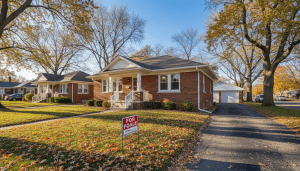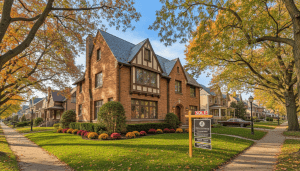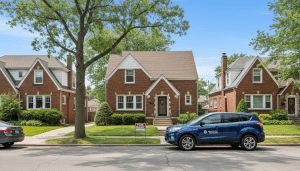
In a housing market characterized by a unique blend of historic charm and significant rehabilitation challenges, the role of a thorough Detroit home inspection has never been more critical. As the city continues its push for neighborhood revitalization and stricter enforcement of rental ordinances, both prospective homebuyers and real estate investors are finding that skipping professional evaluation is a risk that the current economic climate no longer supports.
For decades, Detroit’s housing inventory—much of it built prior to 1950—has presented a complex landscape for ownership. While low entry prices have attracted investors from across the globe, the deferred maintenance associated with many properties often hides costly structural and systemic issues. Now, with the City of Detroit Buildings, Safety Engineering, and Environmental Department (BSEED) ramping up compliance checks, the inspection process has shifted from a mere precaution to a regulatory necessity.
The Role of BSEED and Code Compliance
The landscape of property ownership in the city is heavily influenced by municipal oversight. According to the City of Detroit, maintaining safe housing standards is a primary objective of BSEED. The department has been increasingly active in enforcing the rental registration ordinance, which mandates that all rental properties obtain a Certificate of Compliance.
This certificate is not merely a formality; it requires a passing inspection that verifies the property meets health and safety codes. This includes checks for lead-based paint, a pervasive issue in Detroit’s older housing stock. Local real estate analysts note that the confusion between a municipal code inspection and a private Detroit home inspection often leads to complications for new buyers.
“There is a distinct difference between what the city requires for code compliance and what a buyer needs to know about the longevity of the roof or the furnace,” reported a spokesperson for a local housing advocacy group. “Buyers often assume that if a house is registered, it is perfect. That is rarely the case. A private inspection is the only way to uncover the true condition of the mechanical systems.”
Aging Infrastructure: A Century of Wear
Data from the U.S. Census Bureau’s American Community Survey highlights the structural reality of the region: a vast majority of Detroit’s housing units were constructed before 1960, with a significant portion dating back to the 1920s and 1930s. While these homes offer architectural character rarely found in modern subdivisions, they also harbor materials and systems that have long surpassed their life expectancy.
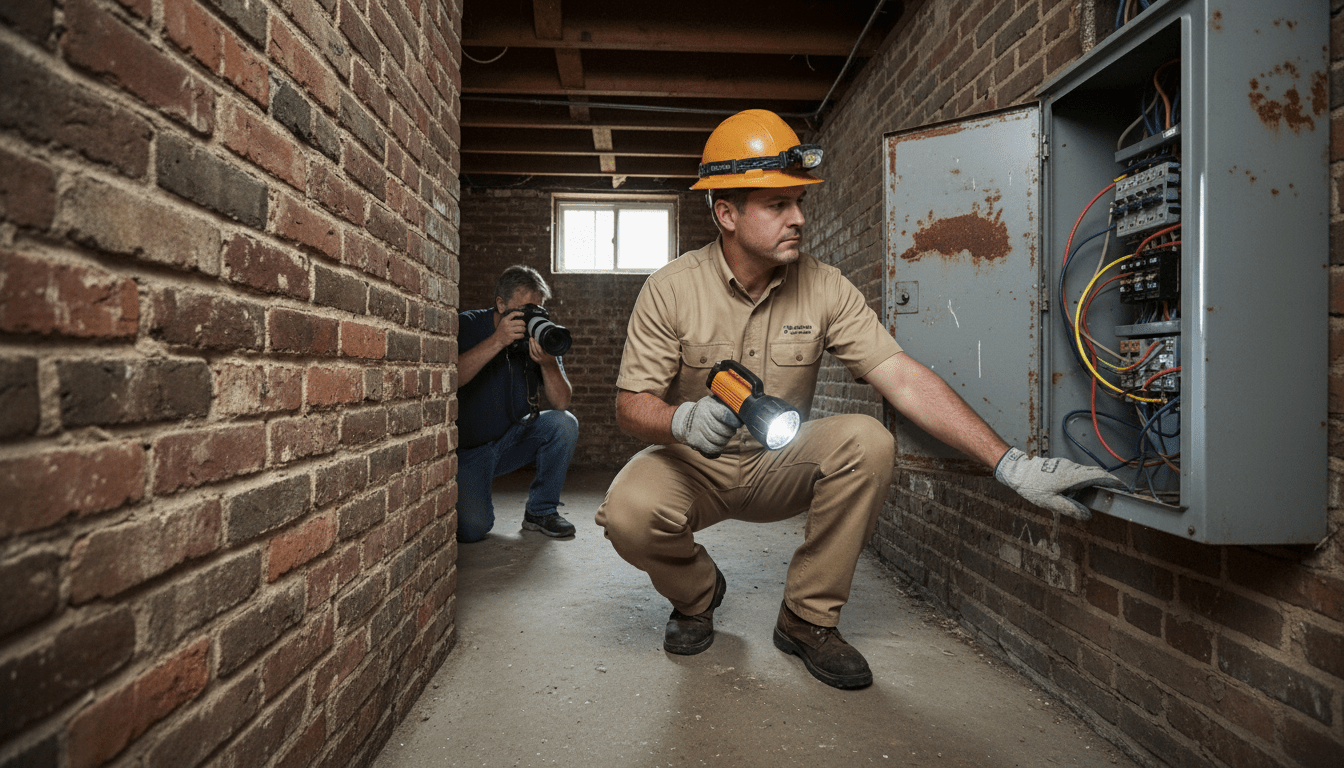
Inspectors working in the metro area frequently encounter specific issues endemic to this era of construction:
- Knob-and-Tube Wiring: An early standardized method of electrical wiring that is now considered a safety hazard and is often uninsurable.
- Galvanized Plumbing: Steel pipes used in older homes that corrode over time, leading to low water pressure and potential lead accumulation.
- Asbestos: Commonly found in pipe insulation, flooring, and siding in homes built mid-century.
For those looking to participate in neighborhood revitalization efforts, understanding these risks is paramount. The cost to remediate these issues can easily exceed the purchase price of a distressed asset. A detailed report allows buyers to negotiate repairs or adjust their offer price to reflect the true cost of ownership.
Impact on Detroit Residents and Tenants
The push for rigorous inspections has a direct impact on the daily lives of Detroit residents, particularly the significant population of renters. In neighborhoods where absentee landlords have historically neglected maintenance, the city’s enforcement of rental inspections is intended to improve quality of life.
Tenants rights groups have long argued that without third-party verification, renters are often subjected to substandard living conditions, including lack of heat, mold, and pest infestations. The current administrative push aims to ensure that every occupied rental unit undergoes a lead clearance and safety check.
Local investors, however, argue that the strict adherence to modern codes in century-old buildings creates a financial bottleneck. “The cost of bringing a 1925 bungalow up to 2024 compliance standards is substantial,” said one Detroit-based property manager. “While we agree safety is the priority, the speed of enforcement is putting pressure on the availability of affordable units.”
Despite the friction, the consensus among housing experts is that the normalization of the Detroit home inspection process protects the most vulnerable residents from health hazards, specifically lead poisoning in children, which remains a public health focus for the city administration.
Navigating the Market: Expert Advice
Real estate professionals advise that regardless of whether a transaction is a cash sale, a Land Bank auction purchase, or a traditional mortgage, due diligence is non-negotiable. For those tracking Detroit real estate trends, the data shows that renovated homes with clean inspection reports are commanding significantly higher market values than they did five years ago.
Experts suggest the following steps for Detroit homebuyers:
- Verify Rental Compliance: If buying an investment property, check the BSEED database to ensure the property is registered and compliant.
- Test for Environmental Hazards: Given the age of the city’s housing, separate tests for radon, lead paint, and sewer line integrity are highly recommended.
- Attend the Inspection: Buyers are encouraged to walk through the property with the inspector to gain a visual understanding of the maintenance required.
What Happens Next?
As Detroit continues its trajectory of economic recovery, the standards for housing quality are expected to rise. The days of buying sight-unseen without consequence are fading. The integration of city-mandated safety checks with private market diligence is creating a more transparent, albeit more expensive, housing ecosystem.
For the average Detroit resident, this shift signals a move toward safer neighborhoods and more stable property values. While the upfront costs of a comprehensive Detroit home inspection may seem like an added burden, the long-term protection it affords against the city’s aging infrastructure makes it an essential component of modern homeownership in the Motor City.