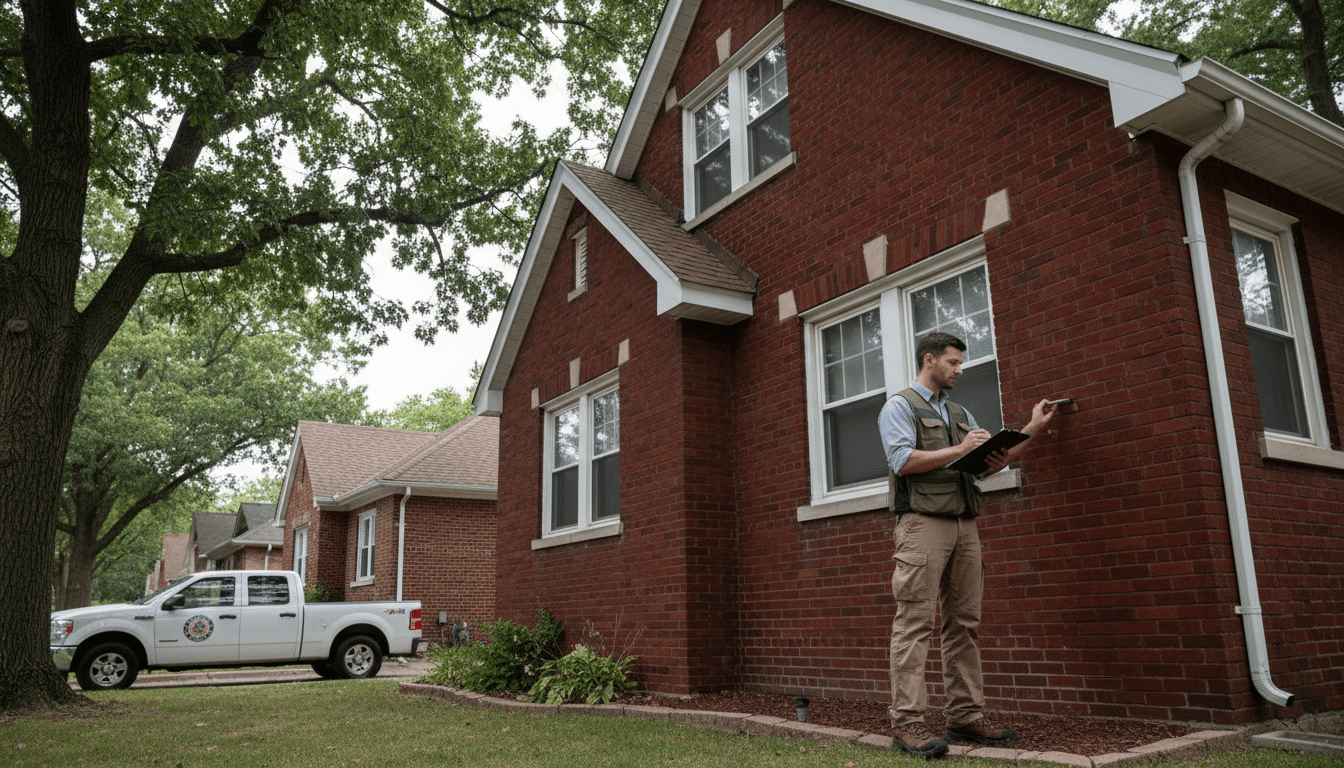
DETROIT — As the City of Detroit continues its aggressive push to stabilize neighborhoods and improve housing quality, the focus has shifted sharply toward the enforcement of rental ordinances and the critical role of the Detroit home inspection process. With data indicating that nearly half of the city’s residents are renters, the Buildings, Safety Engineering, and Environmental Department (BSEED) is intensifying efforts to ensure landlords comply with safety standards, placing inspections at the forefront of the housing conversation.
For years, Detroit struggled with a vast inventory of blighted properties and a rental market that largely operated in the shadows of regulatory oversight. However, recent moves by the administration suggest a turning point. From strict lead paint clearance requirements to mandatory Certificates of Compliance, the definition of a successful Detroit home inspection has evolved from a simple buyer’s checklist to a rigorous regulatory hurdle that shapes the availability of safe housing in the city.
BSEED and the Push for Compliance
The core of the recent enforcement wave lies in the city’s rental ordinance. According to the City of Detroit, landlords are required to register their properties and obtain a Certificate of Compliance (CoC). This certificate is only issued after a property passes a specific type of municipal inspection and, crucially, receives lead clearance.
“The goal isn’t to punish property owners, but to ensure that Detroit families are living in environments that won’t make them sick,” said a spokesperson for BSEED during a recent community housing meeting. The department has noted that while compliance rates have improved over the last two years, thousands of rental units remain unregistered or non-compliant.
A standard Detroit home inspection for rental compliance differs significantly from a private inspection a homebuyer might commission. While a private inspector focuses on the longevity of the roof or the efficiency of the furnace for the buyer’s financial planning, city inspectors are laser-focused on immediate health and safety code violations. This includes working smoke detectors, safe electrical panels, proper egress windows, and the absence of peeling paint that could contain lead.
Impact on Detroit Residents and Landlords
The tightening of inspection protocols is having a ripple effect throughout the city’s neighborhoods. For tenants, the benefits are clear: safer living conditions. Detroit has historically suffered from high rates of childhood lead poisoning, a tragedy often linked to the city’s aging housing stock, much of which was built before the 1978 ban on lead-based paint.
However, the transition involves friction. Local housing advocates have pointed out that as landlords face the costs associated with bringing properties up to code—often involving expensive lead remediation—some are choosing to exit the market or raise rents to offset expenses.
“It is a double-edged sword,” said a representative from a local neighborhood association in Northwest Detroit. “We need the inspections. We need the safety. But we also see small-time landlords selling their properties because they cannot afford the repairs required to pass the Detroit home inspection mandates. This sometimes leaves tenants looking for new housing in a market where rents are rising.”
For more on how these changes affect local pricing, read our analysis on Detroit Housing Market Trends.
The Role of Inspections in Real Estate Transactions
Beyond rentals, the home inspection sector is bustling due to the volume of sales involving the Detroit Land Bank Authority and private rehabbers. Buying a home in Detroit, particularly one that has been vacant, presents unique challenges that make a thorough professional inspection non-negotiable.
Real estate experts in the region emphasize that the scope of work for a Detroit home typically exceeds that of suburban builds. Issues such as stolen plumbing (scrapping), water damage from years of vacancy, and foundation issues in shifting soil are common.
According to data from local real estate groups, contingency rates—where a deal falls through or is renegotiated based on inspection results—remain high in the city. This underscores the necessity of the inspection contingency in purchase agreements. Buyers are increasingly relying on specialized inspectors who understand the nuances of Detroit’s historic architecture, from brickwork tuckpointing to knob-and-tube wiring.
Furthermore, buyers of Land Bank properties are often bound by compliance agreements, requiring them to bring the property up to code within six months. This essentially mandates a comprehensive Detroit home inspection post-purchase to create a roadmap for renovation that satisfies city officials.
For residents interested in the renovation process, check out our coverage on Rehabbing Historic Detroit Homes.
Background & Data: The Aging Housing Stock
To understand the urgency of these inspections, one must look at the data. According to the U.S. Census Bureau, the median age of housing structures in Detroit is significantly higher than the national average. A vast majority of the city’s single-family homes were constructed prior to 1960.
- Lead Paint Risks: Homes built before 1978 are presumed to have lead paint. The rigorous inspection standards enforced by the city aim to mitigate this specific risk.
- Electrical Standards: Many homes still utilize fuses rather than circuit breakers, or ungrounded outlets, which inspectors flag as fire hazards.
- Rental Density: With rental rates hovering near 50%, the sheer volume of inspections required to regulate the market is massive, straining current administrative resources but creating a booming industry for certified third-party inspectors.
Local business owners in the inspection industry report a sharp increase in demand. “Five years ago, we did mostly buyer inspections for suburban folks moving in,” said one local inspector. “Now, half our work is helping landlords identify what they need to fix to get their CoC from the city.”
What Happens Next?
Looking ahead to late 2024 and 2025, the City of Detroit is expected to leverage technology to streamline the inspection process. There are discussions regarding digital portals that allow for faster processing of inspection reports and compliance certificates, aimed at reducing the administrative bottleneck that frustrates landlords.
Additionally, tenant advocacy groups are pushing for more transparency, demanding that inspection results be easily accessible to prospective renters before they sign a lease. If implemented, this would make the Detroit home inspection report a pivotal document in the rental decision process, further incentivizing landlords to maintain high standards.
As the city continues its revitalization, the humble home inspection has graduated from a routine formality to a cornerstone of public health policy and economic stability in Detroit.