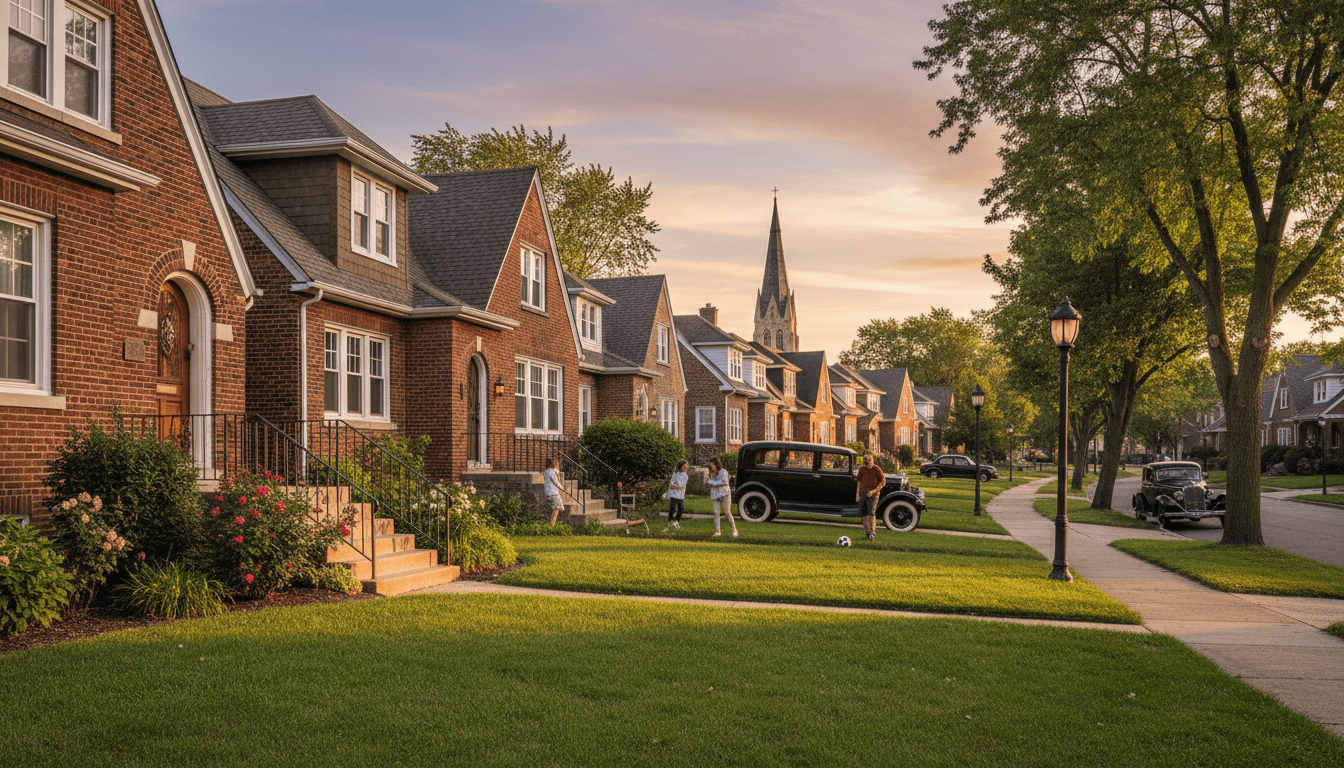
For homeowners across Detroit, the monthly mortgage payment is often just the beginning of the financial commitment required to maintain a property. While much of the legislative focus in Lansing over the past few years has centered on auto insurance reform, Detroit home insurance premiums have been quietly climbing, presenting a new hurdle for housing affordability in the city.
Recent data indicates that property owners in Detroit continue to pay significantly higher rates than their counterparts in the suburbs, a discrepancy driven by a complex mix of inflation, risk modeling, and the unique valuation challenges inherent to the city’s housing market. As inflation drives up the cost of construction materials and labor, insurance carriers are adjusting their rates to match the rising cost of claims, leaving many Detroiters to absorb the shock.
The Disconnect Between Market Value and Replacement Cost
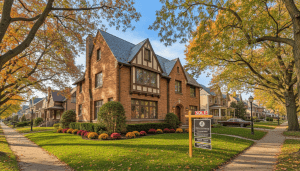
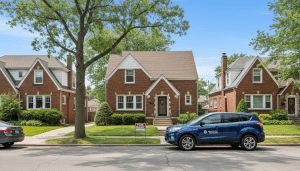
One of the primary drivers of high Detroit home insurance costs is the gap between the market value of a home and its replacement cost. In many Detroit neighborhoods, a historic brick home might sell for $80,000 to $120,000, but the cost to rebuild that same structure in the event of a total loss could exceed $300,000.
According to the Michigan Department of Insurance and Financial Services (DIFS), insurers base their premiums on the amount it would cost to repair or replace the home with similar materials, not what the home would fetch on the real estate market. This distinction is critical in Detroit, where the housing stock often features high-quality masonry, hardwood, and plaster work that is expensive to replicate with modern labor rates.
Local real estate analysts point out that this “valuation gap” forces homeowners to insure properties for two to three times their purchase price. Consequently, a resident buying a modest home may find themselves paying premiums suited for a luxury property, simply because the reconstruction costs are so high.
Impact on Detroit Residents
The rising cost of premiums has a tangible impact on the daily lives of Detroiters, particularly those on fixed incomes or first-time homebuyers trying to enter the market. When insurance premiums rise, they often increase the monthly escrow payments attached to mortgages, pushing the total monthly housing cost out of reach for some families.
“It’s becoming a deciding factor for buyers,” said a local housing counselor familiar with the city’s market. “We see clients who qualify for the mortgage principal and interest, but when the insurance estimate comes in, the debt-to-income ratio gets thrown off. It is a silent barrier to homeownership that doesn’t get as much headlines as interest rates, but is just as impactful.”
Furthermore, the issue affects existing homeowners. Those who have paid off their mortgages are no longer required by a lender to carry insurance. As rates rise, there is a growing concern among housing advocates that some residents may choose to forgo coverage entirely to save money, leaving them vulnerable to catastrophic financial loss in the event of a fire or severe weather event.
This situation also complicates neighborhood revitalization efforts. When long-time residents cannot afford to repair homes after damage because they were underinsured or uninsured, it can lead to blight, impacting property values for the entire block.
Climate Risks and Infrastructure
Beyond economic factors, environmental risks are playing an increasing role in the pricing of Detroit home insurance. The severe flooding events of recent years, particularly the storms in the summer of 2021, have prompted insurers to re-evaluate the risk profiles of various Detroit zip codes.
While standard home insurance policies generally do not cover flood damage—requiring a separate rider or policy through the National Flood Insurance Program (NFIP)—the increasing frequency of severe storms leads to other types of claims, such as wind damage, roof leaks, and sewer backups. Insurers rely on predictive modeling, and as the data shows more volatile weather patterns, premiums are adjusted upward to create a buffer for future payouts.
The city has been working on significant infrastructure updates to manage stormwater and reduce flooding risks, but these are long-term projects. Until the frequency of weather-related claims stabilizes, residents can expect risk modeling to remain conservative.
Navigating the Market: Advice for Homeowners
Despite the rising costs, industry experts suggest there are strategies Detroit homeowners can use to manage their insurance expenses. The Michigan Department of Insurance and Financial Services recommends shopping around, as rates can vary dramatically between carriers for the same property.
Additionally, bundling home and auto insurance often yields significant discounts. However, given the historically high auto insurance rates in Detroit, this is not always the silver bullet it is in other regions. Some homeowners have found success by raising their deductibles—agreeing to pay more out-of-pocket in the event of a claim in exchange for a lower monthly premium.
Some carriers also offer discounts for home improvements that mitigate risk, such as installing security systems, upgrading electrical wiring, or replacing an old roof. Documenting these improvements and presenting them to an insurance agent can sometimes result in a re-rating of the policy.
Legislative and Community Outlook
The conversation around insurance in Detroit is evolving. While the state’s 2019 auto insurance reform laws garnered significant attention, housing advocates are increasingly calling for scrutiny on property insurance mechanisms, specifically the use of credit scoring in setting premiums. Critics argue that using credit scores disproportionately impacts low-to-moderate-income residents in Detroit, resulting in higher rates regardless of their claims history.
Currently, legislation regarding the use of non-driving factors in insurance pricing is a perennial topic in Lansing, but major structural changes to property insurance regulations have yet to materialize. For now, the market remains dictated by the hard costs of construction and the statistical probability of claims.
As Detroit continues its trajectory of development and stabilization, the availability and affordability of Detroit home insurance will remain a critical barometer for the health of the housing market. Without competitive options, the goal of increasing black homeownership and building generational wealth in the city faces a stiff headwind.
Residents struggling with insurance issues are encouraged to utilize resources provided by the City of Detroit and local non-profits, which offer counseling on financial literacy and homeownership sustainability.