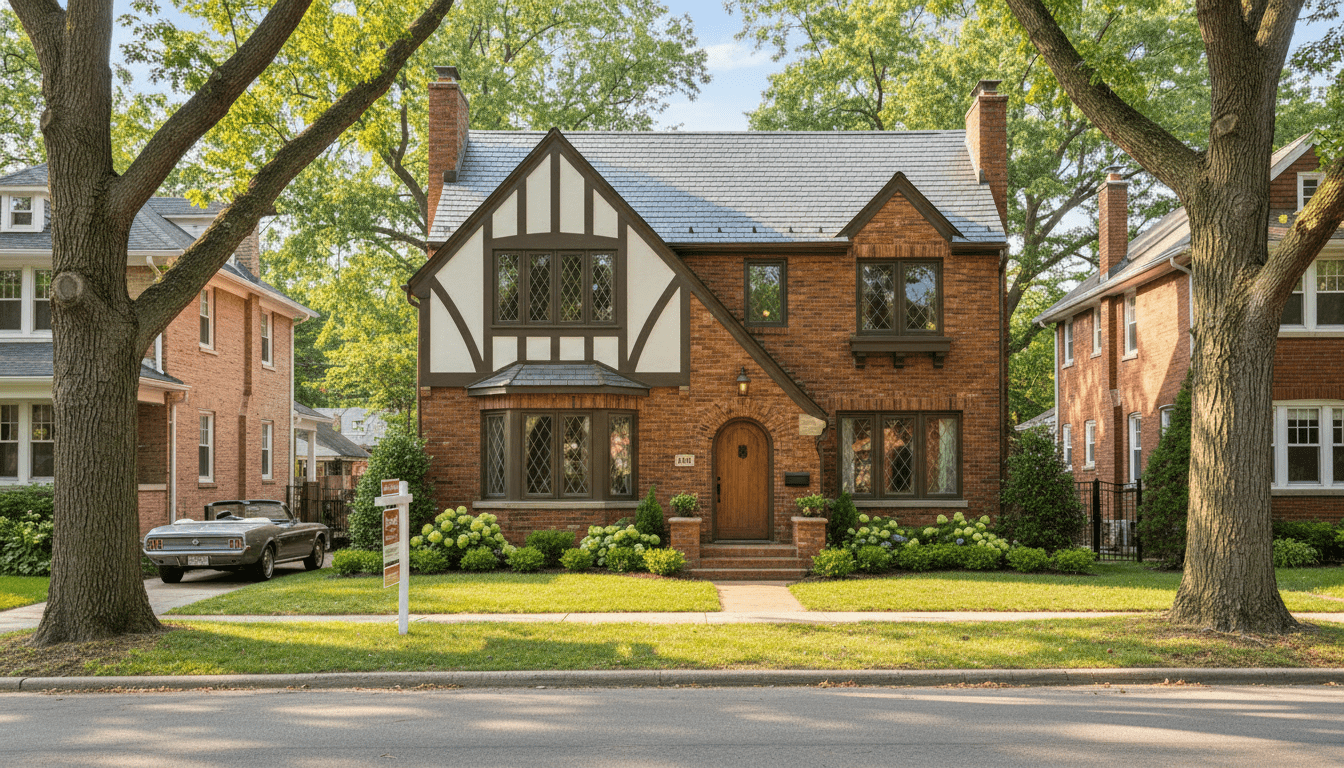
Detroit’s housing market is demonstrating remarkable resilience in 2024, with median home prices continuing their upward trajectory despite fluctuating interest rates that have cooled other metropolitan markets across the United States. Recent data suggests that while the pace of appreciation has normalized compared to the post-pandemic boom, the Motor City is steadily shifting away from its historical reputation as a distress market toward one of sustainable growth.
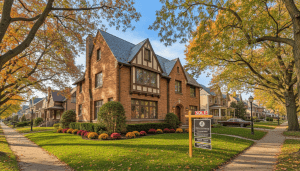
According to the latest figures released by Realcomp, a Farmington Hills-based multiple listing service (MLS), the median sales price for homes within the city limits has seen year-over-year gains. This increase is driven largely by a persistent shortage of move-in ready inventory and a growing demand for rehabilitated historic properties in neighborhoods outside of the greater downtown core.
Market Analysis: Supply and Demand Dynamics
The primary driver of current Detroit home prices is a classic imbalance of supply and demand. While buyer interest remains high—fueled by both local first-time homebuyers and out-of-state investors looking for value—the number of quality listings has not kept pace. Real estate analysts note that many current homeowners are locked into low mortgage rates from previous years, making them reluctant to sell, which constricts the available supply.
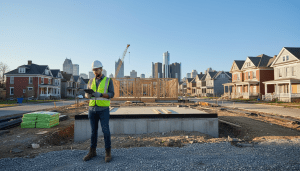
Data from the Realcomp monthly market reports indicates that days-on-market for turnkey properties have remained low. “The competition is specifically focused on renovated homes,” reports indicate. “Buyers are willing to pay a premium to avoid the high costs and logistical challenges of construction work in the current economic climate.”
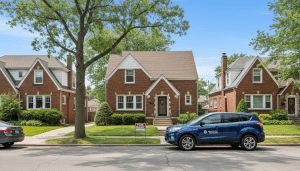
This dynamic has pushed values up not just in well-known areas like Corktown and Indian Village, but also in middle-market neighborhoods such as Bagley, Fitzgerald, and East English Village. For a deeper look at neighborhood-specific developments, readers can review our coverage on neighborhood revitalization projects.
Impact on Detroit Residents
The rising valuations present a complex double-edged sword for Detroiters. For longtime residents who weathered the municipal bankruptcy and the foreclosure crisis, increasing home values represents a long-awaited return of equity. This allows families to build generational wealth, access home equity lines of credit for repairs, and see a tangible return on their investment in the city.
However, the shift raises concerns regarding affordability for renters and prospective first-time buyers. As Detroit home prices climb, so too do the barriers to entry. Community organizations have expressed concern that lifelong residents could be priced out of the market as values rise.
“We are seeing a stabilization that is healthy for the tax base, but we must ensure that the growth is inclusive,” stated representatives from local housing advocacy groups during recent city council discussions. The concern is that while prices are rising, local wages must keep pace to prevent displacement.
Assessments and Property Taxes
Linked directly to market values are property tax assessments. The City of Detroit’s Assessment Division has reported varying increases across residential zones based on actual market sales data. While the city has caps on how much taxable value can increase annually for existing residents, the uncapping of values upon sale means new buyers are facing higher tax bills, which factors into the total cost of ownership.
The city has made efforts to mitigate tax foreclosure risks through programs like the HOPE (Homeowners Property Exemption) application, aiming to keep vulnerable residents in their homes even as neighborhood values appreciate. For more on local governance and policy, see our report on City Council policy updates.
The Role of the Land Bank
Another significant factor influencing pricing is the evolving role of the Detroit Land Bank Authority (DLBA). As the DLBA continues to sell off its inventory, the sheer volume of extremely low-priced distressed properties entering the market has decreased. This reduction in “outlier” low-end sales naturally brings the median sales price up statistically, providing a clearer picture of the traditional market’s health.
According to city officials, the transition from a market dominated by cash sales and auctions to one increasingly financed by traditional mortgages is a key indicator of economic health. It signals to appraisers and lenders that Detroit is a viable market for lending, which in turn helps resolve the appraisal gaps that have historically plagued the city.
Future Outlook
Looking ahead to the remainder of the year, experts predict a continued slow but steady rise in prices. Unless there is a significant shift in interest rates or a massive influx of new inventory, the seller’s market conditions for renovated homes are likely to persist.
Prospective buyers are advised to have financing pre-approved and to be prepared for competition in desirable zip codes. Meanwhile, sellers of turnkey properties can expect strong interest, provided their pricing reflects the reality of comparable sales in the immediate area.