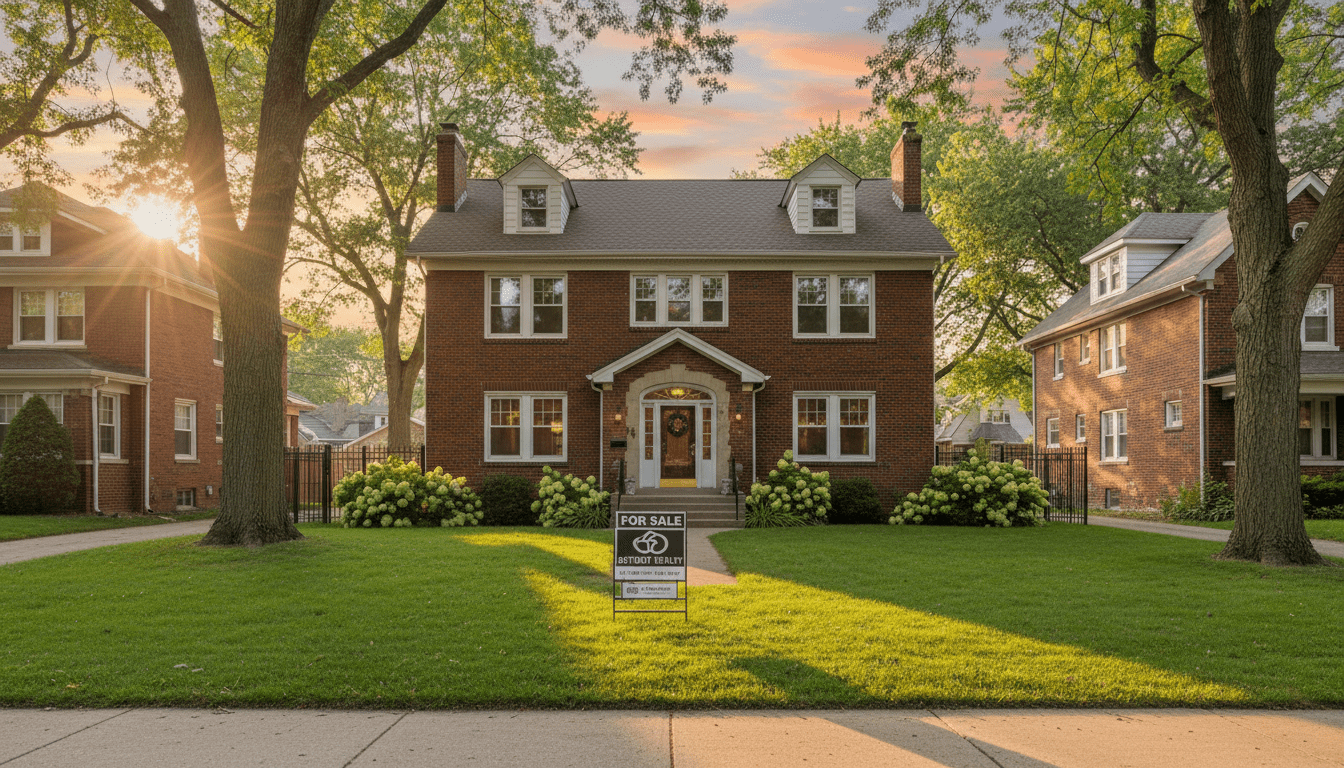
The landscape regarding Detroit homes for sale is undergoing a significant transformation in the second half of 2024, characterized by a tightening inventory and a continued stabilization of property values across the city’s diverse neighborhoods. As the city continues its decades-long revitalization efforts, prospective buyers and long-time residents alike are navigating a real estate market that looks vastly different than it did just five years ago.
According to recent data from regional real estate boards, while the frantic bidding wars of the post-pandemic era have cooled, competition for turnkey properties in historic districts remains fierce. Meanwhile, the City of Detroit and the Detroit Land Bank Authority continue to adjust their strategies to move vacant properties back onto the tax rolls, creating a unique dual-market dynamic.
Inventory Constraints and Rising Valuations
For decades, the narrative surrounding Detroit real estate focused on an overabundance of supply. However, in 2024, the supply of move-in-ready homes has notably decreased. Real estate analysts point to a combination of higher interest rates locking current owners into their low-rate mortgages and a slowdown in speculative flipping.
“The days of finding habitable homes for four figures are effectively over in the stabilized neighborhoods,” reported a spokesperson for a local housing advocacy group during a recent town hall. “What we are seeing now is a return to traditional equity growth. Homeowners who bought in 2018 or 2019 are finally seeing their investments mature, but this also raises the barrier to entry for new buyers looking for Detroit homes for sale.”
Data reflects that the median sale price in the city has seen a steady year-over-year increase. While Detroit remains one of the most affordable major cities in the United States, the gap is closing in highly desirable areas such as Corktown, Midtown, and the University District.
The Role of the Detroit Land Bank Authority
A critical component of the local housing ecosystem remains the Detroit Land Bank Authority (DLBA). The DLBA continues to act as the city’s largest landowner, though its inventory of salvageable structures is slowly dwindling as thousands of properties are auctioned or sold through compliance programs.
The Land Bank has shifted focus recently toward bundling properties for development and streamlining the “Own It Now” program to favor occupants over speculators. This shift aims to combat the issue of investors purchasing Detroit homes for sale only to sit on them without making necessary repairs, a practice that has historically plagued up-and-coming neighborhoods.
Impact on Detroit Residents
The shifting market dynamics have a direct impact on local residents, particularly renters looking to transition into homeownership. As valuations rise, property taxes — historically a point of contention in Detroit due to over-assessment issues — become a sharper focus.
For lifelong Detroiters, the rising costs present a double-edged sword. On one hand, long-term homeowners are regaining generational wealth that was lost during the foreclosure crisis. On the other, the increasing price of starter homes is making it difficult for younger generations to buy in the neighborhoods where they grew up.
Down Payment Assistance Programs
To mitigate displacement and encourage local ownership, city officials have doubled down on support programs. The Detroit Down Payment Assistance Program has been a vital lifeline. According to the City of Detroit Housing and Revitalization Department, millions of dollars have been disbursed to help residents bridge the gap between their savings and the closing costs required to secure a mortgage.
Readers interested in the broader economic implications of these programs can read our coverage on Detroit economic development initiatives, which details how housing stability correlates with small business growth.
Neighborhood Specifics: Where to Look
The search for Detroit homes for sale varies wildly depending on the zip code.
- Bagley and Fitzgerald: These neighborhoods are seeing robust activity due to targeted city investment and streetscape improvements.
- East English Village: Continues to attract families looking for historic brick Tudors at a fraction of the cost of the suburbs.
- Southwest Detroit: Remains a stronghold of community-driven development, with low inventory turnover.
“Buyers need to be strategic,” said a local broker specializing in Wayne County transactions. “You can’t just look at the listing price. You have to look at the property tax status, the condition of the roof, and the proximity to commercial corridors.”
Background Data and Market Trends
Recent reports from the U.S. Census Bureau indicate a stabilization in Detroit’s population decline, a factor that directly correlates with housing demand. For the first time in decades, certain census tracts are showing population gains, driving the demand for housing stock.
Furthermore, rental rates in the city have climbed, pushing more residents to consider purchasing. With the average rental price for a 3-bedroom unit in the city increasing, the monthly mortgage payment on a competitively priced home often remains lower than rent, provided the buyer can navigate the initial repair costs and down payment.
Future Outlook for Home Buyers
Looking ahead to 2025, the market for Detroit homes for sale is expected to favor sellers in renovated condition, while “fixer-uppers” may sit on the market longer as construction costs remain high. The city’s push to improve infrastructure and transportation, which you can read more about in our article on Detroit infrastructure updates, is likely to further boost property values in transit-connected neighborhoods.
Prospective buyers are advised to secure financing early and work with agents who understand the nuances of Detroit’s specific compliance requirements, particularly regarding rental certifications and Lead-Safe verifications.