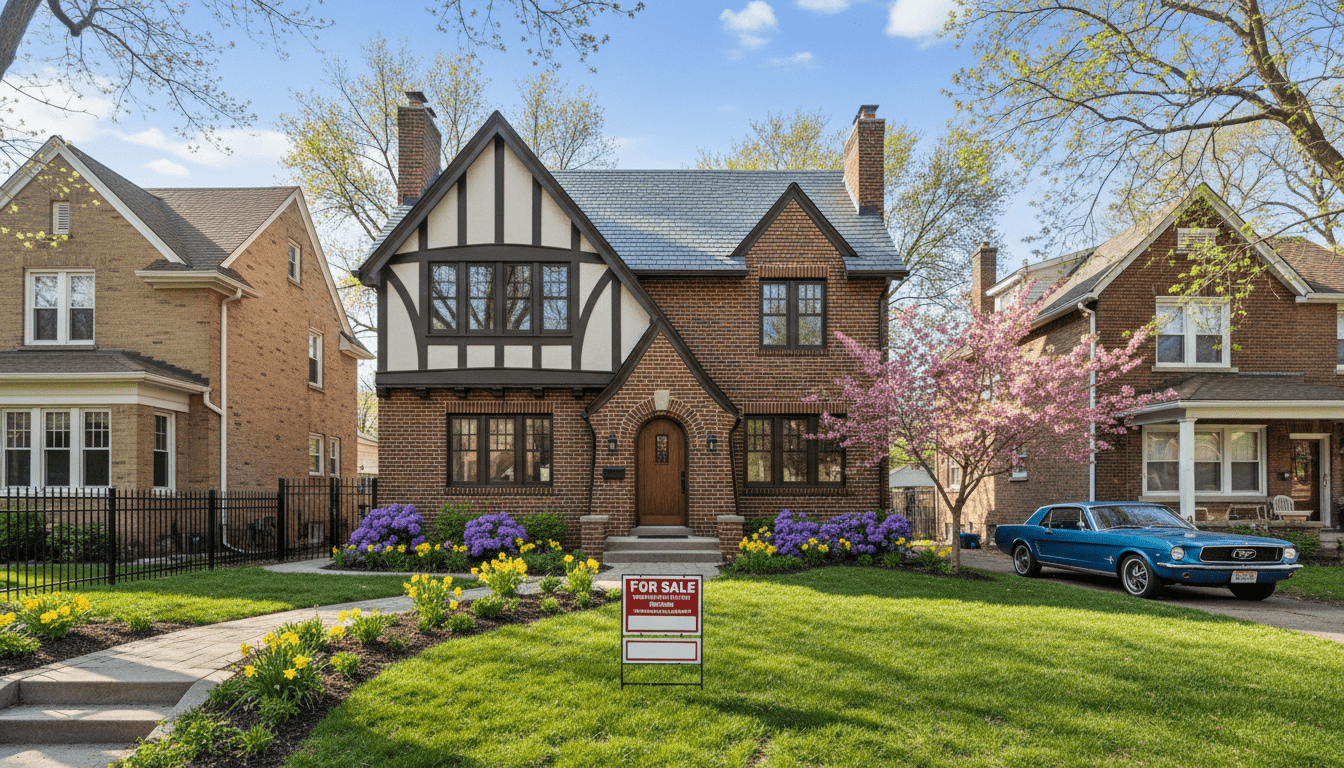
As Detroit moves through the final weeks of winter, real estate analysts and local economists are adjusting their outlooks for what promises to be a pivotal season for the city’s residential sector. The Detroit housing market is positioning itself for a highly competitive Spring 2026, driven by a persistent shortage of move-in ready inventory and a renewed surge in buyer demand across both historic districts and stabilizing middle-market neighborhoods.
While the national conversation often centers on broad interest rate fluctuations, Detroit’s unique market dynamics—characterized by the ongoing balance between rehabilitation costs and appraisal values—are setting the stage for a distinct localized trend. Early data suggests that while transaction volume may remain steady compared to 2025, median sale prices are projected to tick upward as competition heats up for quality homes.
Inventory Constraints Driving Early Competition
The primary driver for the Spring 2026 forecast remains supply. According to preliminary Q1 data available from local listing services, the number of active listings in the city remains below the five-year average. This scarcity is creating a seller’s market in desirable pockets of the city before the spring buying season traditionally begins.
“We are seeing a continuation of the trends established late last year, where well-priced, renovated homes in neighborhoods like Bagley, Green Acres, and East English Village are receiving multiple offers within days,” said a representative from a local brokerage firm operating in Northwest Detroit. “The days of inventory sitting stagnant for months are largely over for properties that are priced correctly and do not require massive immediate repairs.”
Data from the Greater Metropolitan Association of Realtors (GMAR) has historically highlighted the correlation between inventory levels and price appreciation in the region. Analysts indicate that unless a significant wave of new listings hits the market by April, buyers should expect to pay a premium. This tightening is not just limited to the suburbs; it is increasingly evident within the city limits as more buyers seek value outside of the downtown core.
Neighborhoods to Watch in Spring 2026
While the Detroit housing market has long been defined by its “downtown vs. neighborhood” narrative, 2026 is seeing a maturation of the middle market. The focus is shifting toward areas that offer amenities and community density but were previously undervalued.
Real estate watchers are pointing to the Livernois-McNichols corridor and areas adjacent to the Joe Louis Greenway as hotspots for the upcoming season. The infrastructure investments made over the last three years are finally yielding tangible residential value, with home prices in these zones outpacing the citywide average.
Additionally, the steady stabilization of neighborhoods like Fitzgerald and Morningside suggests that first-time homebuyers are expanding their search radii. However, this increased interest brings challenges regarding appraisal gaps, where the cost to purchase and renovate a home exceeds the mortgage value a bank is willing to approve—a structural issue that continues to complicate transactions in emerging neighborhoods.
Impact on Detroit Residents
For long-time Detroiters, the 2026 forecast presents a mixed bag. On one hand, rising property values are a boon for existing homeowners, helping to build generational wealth and close the equity gap that has plagued the city for decades. On the other hand, the competitive nature of the Spring 2026 market raises valid concerns regarding affordability and displacement.
Tenants looking to transition into homeownership may face steeper hurdles this spring. With prices inching up, the down payment requirements also increase. While the Detroit Down Payment Assistance Program has provided a lifeline for many, the speed of the market means that buyers relying on complex assistance packages may lose out to cash offers or conventional borrowers who can close more quickly.
Local housing advocates emphasize the need for continued vigilance. “As the Detroit housing market heats up, we must ensure that legacy residents aren’t priced out of the very communities they helped sustain,” noted a community organizer during a recent town hall on housing stability. The pressure is also mounting on the rental market, as higher home prices often correlate with increased rental rates in the same zip codes.
Background & Data Trends
To understand the Spring 2026 outlook, it is necessary to look at the economic fundamentals supporting the region. The automotive sector’s transition to EV production, while turbulent, has stabilized employment figures in Southeast Michigan, providing a steady base of qualified buyers. Furthermore, the University of Michigan’s economic forecasts have generally pointed toward a resilient regional economy, despite broader national headwinds.
Interest rates, which have leveled off after the volatility of previous years, are no longer the prohibitive barrier they were in 2023 and 2024. This stability has encouraged buyers who were previously on the sidelines to re-enter the market. However, the lack of new construction at entry-level price points means that the existing housing stock bears the brunt of this demand.
According to recent reports, the median days on market for turnkey homes in Detroit has dropped significantly compared to the same time two years ago. This velocity is a key indicator that the spring market will be active and fast-paced.
What Happens Next
Looking ahead to the rest of 2026, experts predict that the Detroit housing market will likely see a peak in activity between April and June. If inventory levels remain suppressed, price appreciation could accelerate, potentially cooling off only when the summer heat slows buyer activity.
For potential sellers, the advice is clear: early listing may yield the best results before buyer fatigue sets in later in the year. For buyers, preparation is paramount. Getting pre-approved and having a deep understanding of neighborhood-specific values will be essential to navigating the competitive landscape of Detroit’s economy this spring.
Ultimately, Spring 2026 serves as a barometer for Detroit’s continued recovery. If the market can sustain price growth while maintaining relative affordability compared to coastal cities, Detroit will continue to attract new residents and retain locals. However, the delicate balance between revitalization and gentrification remains the central storyline of the city’s real estate evolution.