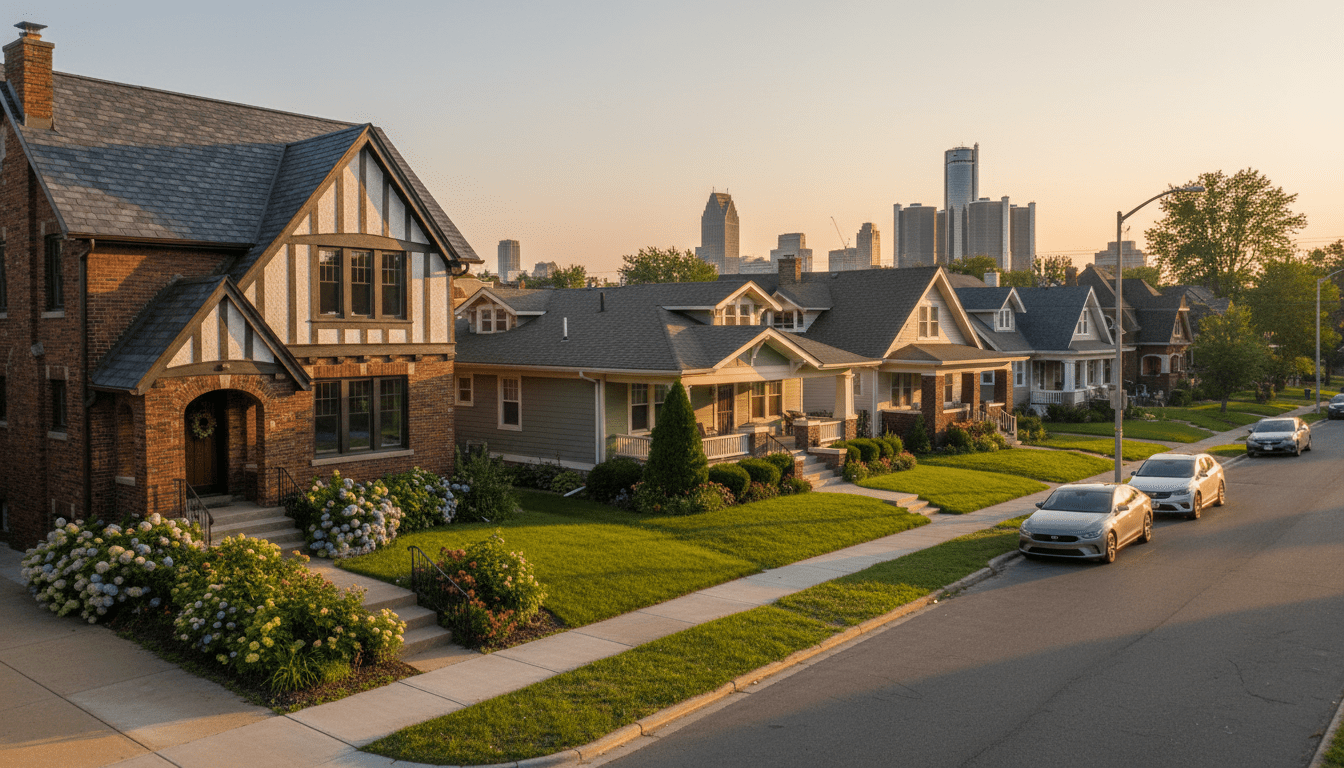
As the economic landscape of southeast Michigan continues to evolve, the Detroit housing market outlook for 2025 presents a complex picture of resilience, gradual appreciation, and shifting inventory dynamics. Unlike the volatile swings seen in coastal metropolitan areas, Detroit’s real estate sector is moving toward a period of normalization, driven by local policy initiatives and broader economic factors.
For potential buyers, sellers, and long-time residents, understanding these trends is crucial. The days of speculative cash grabs are increasingly being replaced by traditional mortgage-based activity and owner-occupancy strategies, signaling a maturing market.
Market Trends: Appreciation and Affordability
The primary narrative defining the Detroit housing market outlook this year is one of steady, sustainable growth rather than explosive spikes. According to data from the Detroit Association of Realtors and regional economic forecasts, median home prices in the city have continued their upward trajectory, though at a more moderate pace compared to the post-pandemic boom.
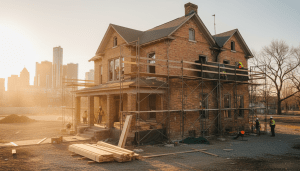
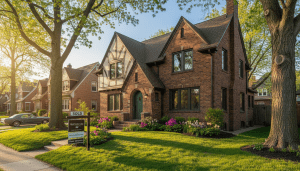
Real estate analysts point to a significant decoupling of Detroit’s market from national trends. While high interest rates dampened activity nationwide, Detroit’s relatively low entry price point has kept the market active. Homes that are move-in ready are seeing competitive offers, often selling at or above the asking price, while distressed properties are sitting on the market longer as renovation costs remain high.
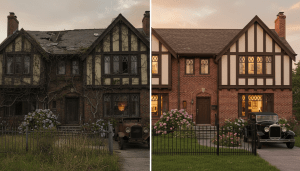
"What we are seeing is a flight to quality," said a local broker familiar with the Boston-Edison and University District neighborhoods. "Buyers are less willing to take on massive rehabilitation projects due to labor and material costs. Instead, they are competing for the inventory that has already been stabilized."
Impact on Detroit Residents
The evolving housing landscape has direct implications for local families and long-term tenants. As property values rise, the concern regarding displacement and tax foreclosure remains a central topic of conversation in City Hall and community meetings.
One of the most significant factors influencing the Detroit housing market outlook is the ongoing discussion surrounding the Land Value Tax plan proposed by Mayor Mike Duggan’s administration. The proposal aims to cut property taxes on homeowners while increasing taxes on vacant land and blighted scrap yards. If fully implemented, this policy could drastically alter the financial equation for residents, potentially lowering monthly payments for owner-occupants and discouraging land speculation.
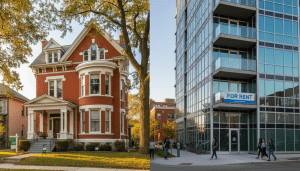
For renters, the outlook is mixed. While new developments in Corktown and Downtown bring more units online, affordability in neighborhoods outside the city center remains a critical issue. Community development organizations are working to bridge the appraisal gap—where the cost to renovate a home exceeds its post-renovation value—to bring more habitable supply to the market for working-class families.
Residents interested in local economic shifts should read more about Detroit business developments impacting local employment and housing demand.
Background & Data: The Shift in Inventory
To understand where the market is going, it is essential to look at the data. Recent reports indicate that inventory levels remain tight, a trend consistent with the broader national housing shortage. However, the composition of Detroit’s inventory is changing.
According to forecasts from the University of Michigan’s Research Seminar in Quantitative Economics (RSQE), the regional economy is expected to sustain moderate growth, which supports housing stability. The number of cash sales, which dominated the Detroit market for a decade following the bankruptcy, has decreased relative to mortgage-backed purchases. This shift indicates a strengthening of the appraisal floor in many neighborhoods.
Key statistics to consider for the year include:
- Days on Market: Move-in ready homes are averaging under 40 days on the market in high-demand zip codes.
- Inventory Types: A slight increase in new construction listings, particularly in the "middle housing" sector (duplexes and townhomes).
- Appraisal Values: More neighborhoods are seeing appraisals match sales prices, reducing the need for appraisal gap financing.
What Happens Next?
Looking ahead, the Detroit housing market outlook suggests a year of stabilization. The frenetic energy of previous years is settling into a more predictable rhythm. Factors to watch include Federal Reserve interest rate decisions, which will impact mortgage rates, and the continued expansion of the Detroit Land Bank Authority’s programs to transfer properties to responsible owners.
Experts anticipate that neighborhoods adjacent to established hotspots—such as areas bordering the Avenue of Fashion or West Village—will see the most significant appreciation as buyers seek value near amenities.
For those following civic changes, the interplay between Detroit political initiatives and real estate development will be a defining feature of the year. The city’s focus on neighborhood revitalization funds is expected to open up new pockets of opportunity for first-time homebuyers looking to plant roots in the city.
Ultimately, 2025 is shaping up to be a year where the market favors the prepared. Buyers who have secured pre-approval and are realistic about renovation budgets will find opportunities, while sellers with well-maintained properties can expect solid returns.