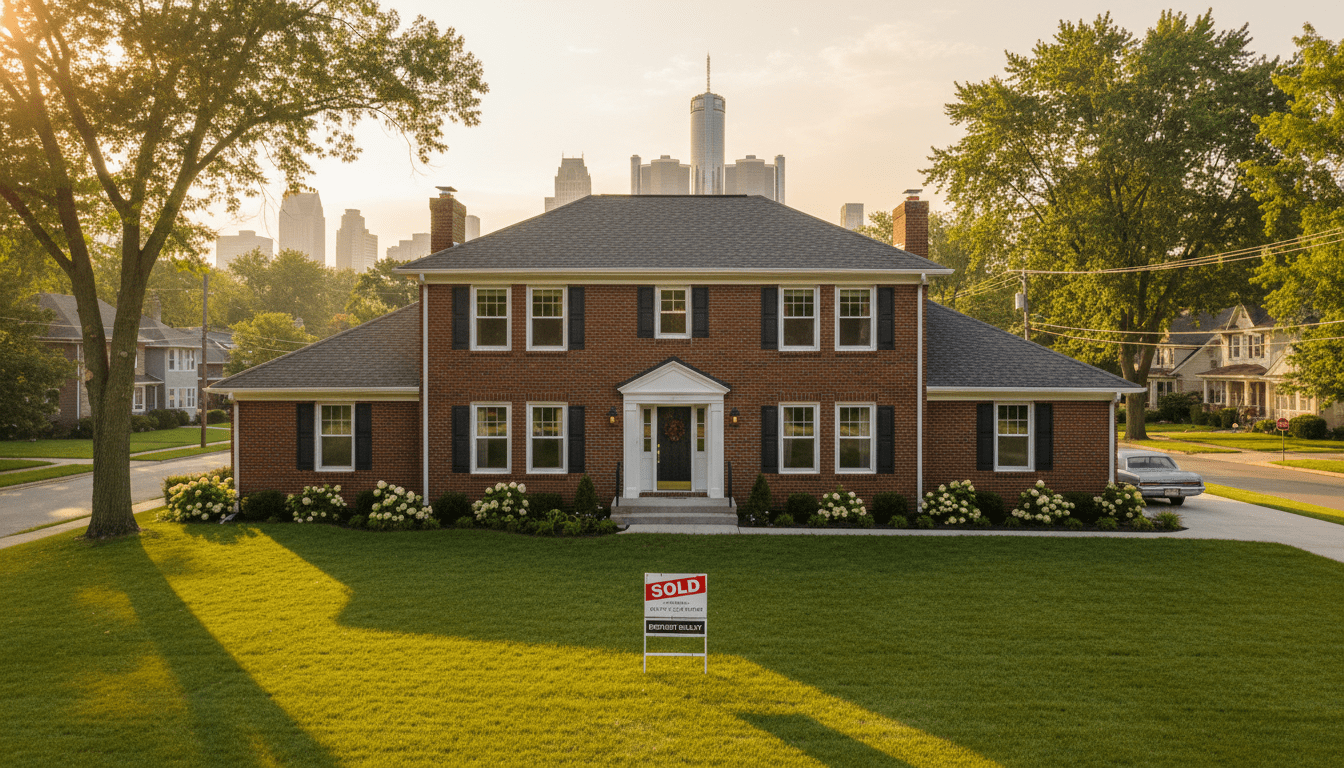
The Detroit housing market is currently navigating a complex period defined by sustained appreciation in home values and a persistent shortage of available inventory. As the city continues its trajectory of economic recovery, real estate trends in 2024 are reflecting a shift from a cash-heavy investor landscape to one increasingly driven by traditional mortgages and owner-occupants.
Recent data indicates that while Detroit remains one of the more affordable metropolitan areas in the United States, the window of entry for first-time homebuyers is narrowing as prices rise. The stabilization of neighborhoods, coupled with strategic blight removal, has bolstered property values, yet high interest rates on a national level continue to impact local buying power.
Rising Values and Market Stabilization
According to reports from the Detroit Metro Association of Realtors, the city has seen a steady year-over-year increase in median home sales prices. This appreciation is not limited to the downtown corridor or Midtown but is spreading into surrounding neighborhoods such as Bagley, University District, and East English Village.
A significant marker of the health of the Detroit housing market is the ratio of cash sales to mortgage sales. For years, Detroit was predominantly a cash market, often signaling high foreclosure rates and investor speculation. However, recent figures from the City of Detroit show a tipping point where mortgage-backed purchases are becoming the majority in many zip codes. This shift suggests that banks are gaining confidence in Detroit appraisals, closing the “appraisal gap” that previously stalled development in underserved areas.
“We are seeing a market that is maturing,” said local housing analysts. “The days of purchasing a livable home for four figures are largely behind us, which brings challenges for affordability but stability for the tax base.”
The Inventory Challenge
Despite rising values, the volume of homes for sale remains a hurdle. Prospective buyers are facing a tight market where move-in-ready homes attract multiple offers. This inventory shortage is driven by two main factors: the “lock-in” effect of current homeowners holding onto low-interest mortgages obtained in previous years, and the high cost of renovating the city’s aging housing stock.
While the City of Detroit’s Housing and Revitalization Department has launched several initiatives to rehabilitate vacant structures, the pace of renovation often lags behind demand. Supply chain costs and labor shortages in the construction sector further complicate efforts to bring older homes back to market quickly.
Impact on Detroit Residents
For long-time Detroit residents, the evolving market presents a mixed picture. Homeowners who stayed through the city’s bankruptcy and leaner years are finally seeing equity build in their properties. This increase in wealth generation is a vital component of the city’s broader economic goals.
However, for renters looking to transition to homeownership, the barrier to entry is higher. As outlined in previous reports on Detroit neighborhood development, rising rents are making it difficult for families to save for down payments, even as mortgage products specifically designed for Detroiters—such as the Detroit Down Payment Assistance Program—attempt to bridge the gap.
Community advocates have expressed concern that rapid appreciation in specific pockets could lead to displacement pressures. In response, local officials have emphasized the importance of preserving affordable housing units alongside market-rate developments to ensure the recovery benefits existing residents.
Background & Data
Data from the U.S. Census Bureau and local real estate aggregators highlights the disparity between neighborhood conditions. While areas like Corktown and Indian Village see prices comparable to suburbs, other neighborhoods still face valuation challenges. The Detroit Land Bank Authority continues to be a major player, auctioning thousands of properties to buyers committed to rehabilitation.
Furthermore, the shift in the Detroit housing market is supported by employment trends. As detailed in our coverage of Detroit’s job growth sectors, new employment hubs in the city are driving demand for housing near workplaces, reducing commute times and fostering denser, more walkable communities.
What Happens Next
Looking ahead, experts predict that price growth will likely moderate but remain positive throughout the year. The direction of the Federal Reserve regarding interest rates will play a pivotal role in determining whether inventory loosens up. If rates decrease, more homeowners may list their properties, alleviating some of the pressure on buyers.
For now, the narrative of the Detroit real estate sector is one of resilience. The market has moved past the volatility of the foreclosure crisis into a phase of steady, albeit uneven, growth. Stakeholders across the city—from city hall to block clubs—are watching closely to ensure that this growth translates into sustainable neighborhoods for all Detroiters.