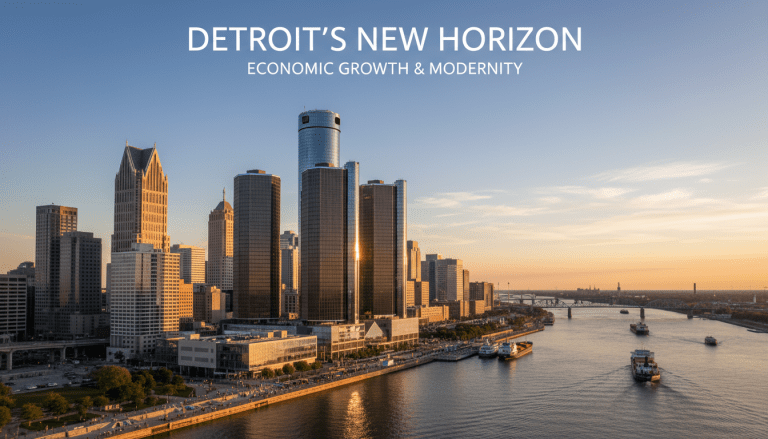

Detroit’s economic identity is undergoing a significant transformation as major corporations and burgeoning startups collaborate to redefine the city’s industrial landscape. Once defined almost exclusively by the assembly line, the region is rapidly emerging as a global center for mobility technology, fintech, and green energy solutions. This shift represents a broader trend of Detroit innovation that is reshaping how business is conducted in Southeast Michigan.
The Shift to Mobility and Tech
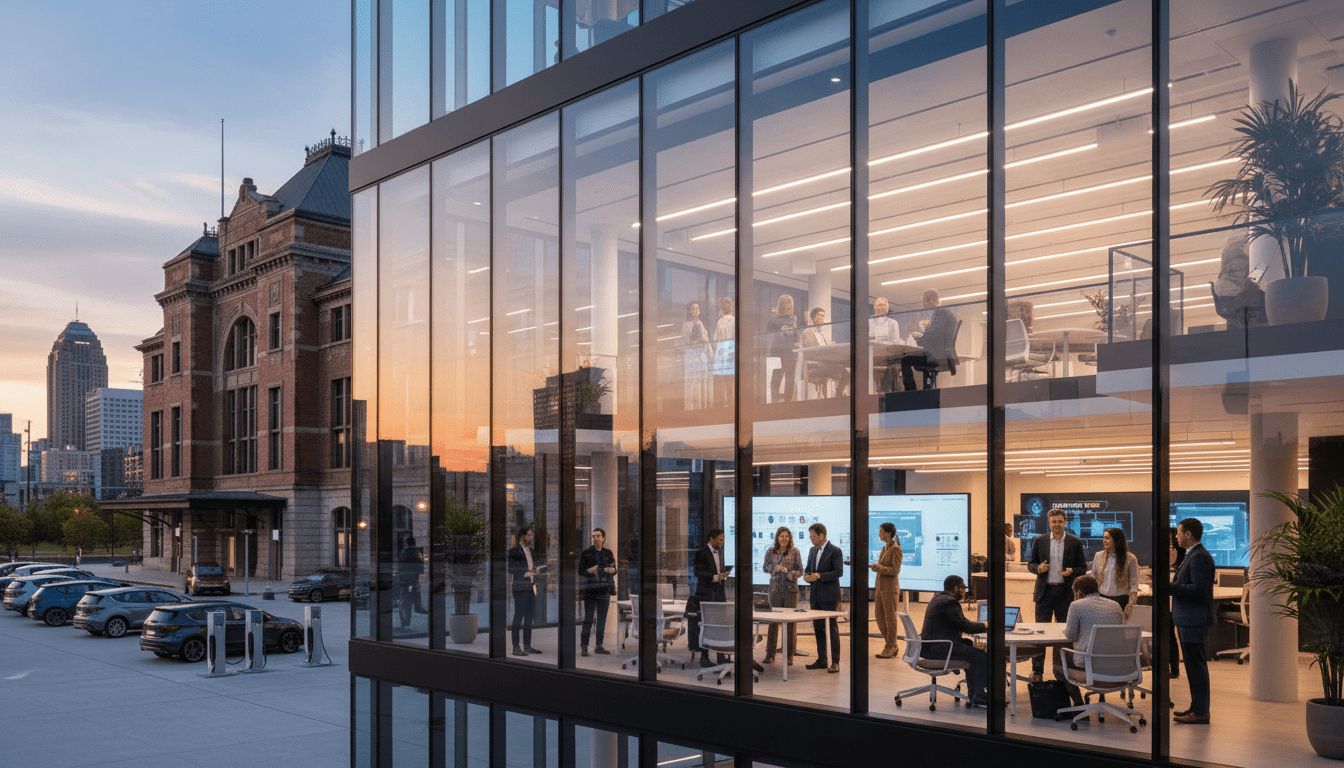
The reopening of Michigan Central Station by Ford Motor Company stands as the most visible symbol of this corporate pivot. No longer just a historic landmark, the campus has been reimagined as a mobility innovation district intended to bring together thousands of engineers, designers, and entrepreneurs. According to the Detroit Regional Chamber, the convergence of automotive heritage with software development is creating a unique ecosystem that rivals coastal tech hubs in specific niches like autonomous driving and electrification.
“The narrative is changing from purely manufacturing to comprehensive mobility solutions,” reports indicate. General Motors has similarly ramped up its focus on software-defined vehicles, investing heavily in tech talent within the city limits. This corporate innovation is not happening in silos; large firms are increasingly acquiring or partnering with local startups to accelerate development cycles.
Impact on Detroit Residents
For local residents, this surge in Detroit innovation brings both opportunities and challenges. The immediate impact is a shift in the job market. While traditional manufacturing jobs remain vital, there is a growing demand for skills in coding, data analysis, and electrical engineering. Local organizations are responding with upskilling initiatives designed to ensure Detroiters are not left behind by this digital transition.
Furthermore, the physical footprint of these corporate strategies is revitalizing neighborhoods. Developments in Corktown and New Center are driving demand for housing and retail, contributing to a broader economic uplift. However, community leaders emphasize the need for inclusive growth to prevent displacement and ensure that long-time residents benefit from the influx of investment.
For more on how these changes affect housing, read our coverage on Detroit real estate trends and neighborhood developments.
Data and Corporate Strategy
Data from the Michigan Economic Development Corporation (MEDC) highlights a steady increase in venture capital flowing into the region. In recent years, Detroit has seen a spike in startup exits and high-growth firms establishing headquarters in the city. The density of innovation hubs—such as Newlab at Michigan Central—provides the collaborative environment necessary for rapid prototyping and commercialization.
Industry analysts note that Detroit’s competitive advantage lies in its hardware capabilities. Unlike Silicon Valley, where software often reigns supreme, Detroit offers the ability to build and test physical products. This “hard tech” focus is attracting companies from outside the state looking to leverage the region’s supply chain and engineering talent pool.
Future Outlook for Local Business
Looking ahead to late 2025, the trajectory suggests a deepening of ties between civic institutions and private enterprise. The City of Detroit’s administration continues to streamline processes for business permits and development, aiming to make the city a friction-free environment for innovators. As the lines between traditional automotive manufacturing and high-tech innovation continue to blur, Detroit is positioning itself not just as the Motor City, but as a premier hub for industrial innovation.
For ongoing updates on new openings and economic shifts, stay tuned to our Jobs, Business, & Startups section.