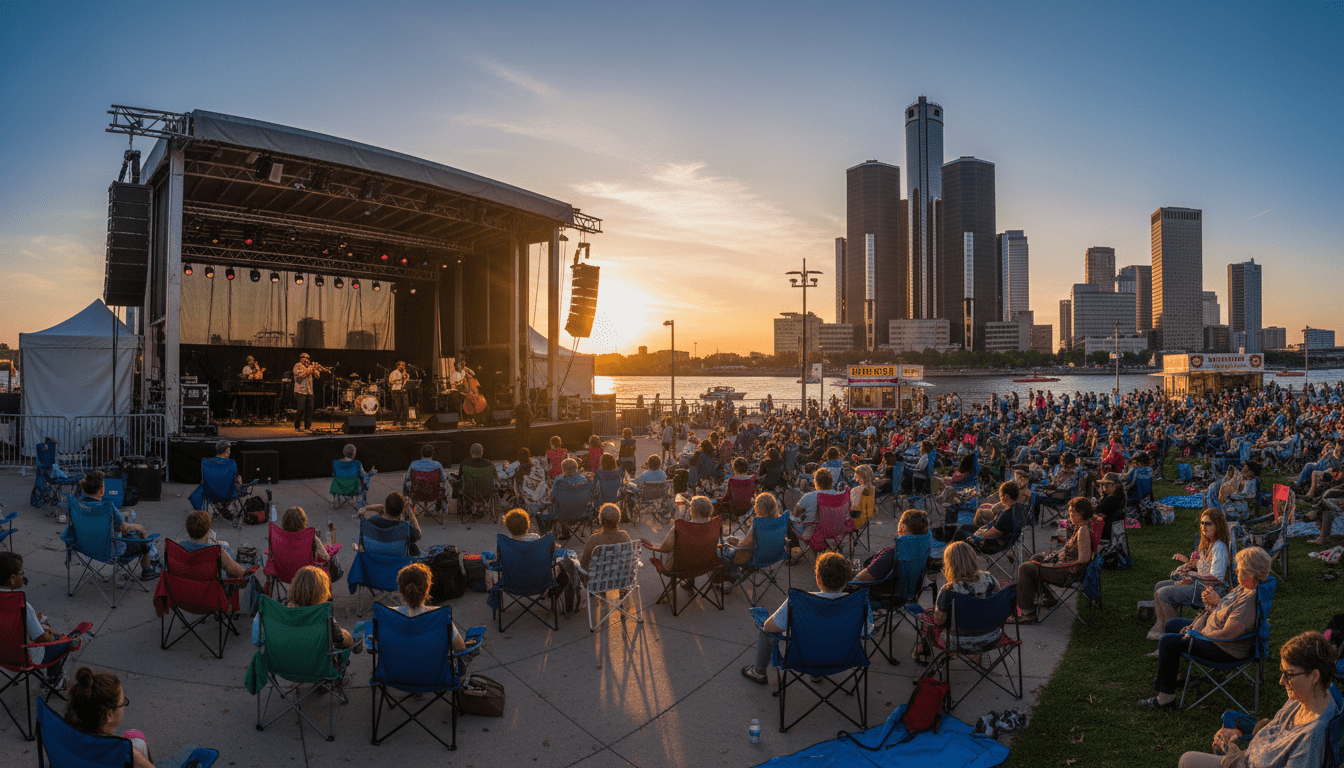
The Detroit Jazz Festival Foundation has officially unveiled the schedule and lineup for the 2024 Detroit Jazz Festival, reaffirming the city’s status as a global epicenter for musical culture. Set to take over Hart Plaza and the downtown corridor from August 30 through September 2, the 45th annual iteration of the event promises to uphold its legacy as the world’s largest free jazz festival.
This year’s festival comes at a pivotal moment for downtown Detroit, which has seen a surge in foot traffic and development over the past 24 months. Organizers anticipate hundreds of thousands of attendees over the Labor Day weekend, a figure that city officials say is vital for the local hospitality and tourism sectors.
According to Chris Collins, president and artistic director of the Detroit Jazz Festival Foundation, the 2024 programming is designed to bridge the gap between jazz legends and the next generation of innovative artists. The festival will feature the 2024 Artist-in-Residence, Brian Blade, a multi-Grammy-winning drummer and composer known for his dynamic versatility.
A Lineup Rooted in Legacy and Innovation
The 2024 Detroit Jazz Festival lineup is characterized by a mix of traditional jazz standards, fusion, and avant-garde performances. The festival traditionally spans multiple stages, including the JP Morgan Chase Main Stage in Hart Plaza and the Carhartt Amphitheater Stage.
Brian Blade & The Fellowship Band will anchor the festival’s programming. Blade, who has worked with artists ranging from Wayne Shorter to Joni Mitchell, is expected to perform multiple sets throughout the weekend, showcasing different facets of his musical identity. In a statement released to the press, Collins emphasized that the selection of Blade highlights the festival’s commitment to “artistic excellence and the evolution of the jazz language.”
Other notable acts scheduled to perform include the Billy Childs Quartet, Cameron Graves, and the “Translinear Light” tribute to Alice Coltrane featuring Ravi Coltrane. The festival also continues its tradition of highlighting Detroit-based talent, ensuring that the local jazz ecosystem remains central to the narrative.
For a broader look at how the city supports local arts, readers can view our report on Detroit’s 2024 arts funding initiatives.
Economic Impact on Downtown Detroit
While the music takes center stage, the economic implications of the festival are significant. The Detroit Jazz Festival is a major economic driver for the Central Business District. Data from previous years provided by the Downtown Detroit Partnership (DDP) suggests that major summer events contribute tens of millions of dollars in direct spending to the local economy.
Local business owners are preparing for the influx. Restaurants along Woodward Avenue and the blocks surrounding Campus Martius typically report some of their highest revenue days of the year during Labor Day weekend. Hotel occupancy rates in the downtown core are also projected to reach near capacity.
“The Jazz Festival is essentially the grand finale of our summer season,” said a representative from the Detroit Restaurant & Lodging Association in a recent briefing. “It brings in a diverse demographic—international tourists, suburbanites, and city residents—all spending money on dining, transportation, and retail.”
Impact on Detroit Residents
For Detroit residents, the festival represents both a cultural jewel and a logistical hurdle. The accessibility of the event—remaining completely free of charge—is a rare benefit in an era of rising ticket prices for live entertainment. This ensures that Detroiters from all neighborhoods have access to world-class art without financial barriers.
However, residents living in the immediate downtown vicinity should prepare for road closures and detours. The City of Detroit Department of Public Works has indicated that closures around Jefferson Avenue and Hart Plaza will begin several days prior to the event for stage construction.
Key information for locals:
- Transit: The QLINE and People Mover are expected to operate with extended hours to accommodate the crowds. City officials strongly encourage the use of public transit to alleviate parking congestion.
- Noise: Residents in high-rises facing Hart Plaza should anticipate sound checks beginning early in the morning and performances lasting until late evening.
- Access: Unlike ticketed festivals that fence off public space, much of the riverfront remains accessible, though security checkpoints will be in place.
Residents looking for alternative transportation options during the weekend can consult our comprehensive guide to Detroit public transit.
Educational Outreach and Community Engagement
Beyond the main stage performances, the Detroit Jazz Festival 2024 maintains a strong focus on education. The Foundation runs year-round educational programs, culminating in student showcases during the festival. The “Hometown Heroes” series and various collegiate jazz band competitions provide a platform for up-and-coming musicians from Wayne State University and Detroit public high schools.
According to the U.S. Census Bureau, Detroit has seen shifting demographics, but its identity as a music city remains a constant unifying factor. The festival’s educational arm ensures that this identity is passed down to younger generations, providing mentorship opportunities with touring professionals.
Future Outlook for Major Events
The sustainability of the free-festival model relies heavily on corporate sponsorship and philanthropic support. With Gretchen Valade, the festival’s longtime benefactor and “Angel of Jazz,” having passed away in late 2022, the Jazz Festival Foundation has successfully navigated the transition, securing an endowment that aims to keep the festival free for years to come.
As the city prepares for the 2024 Detroit Jazz Festival, the mood is one of celebration and resilience. It serves as a benchmark for how Detroit manages large-scale public events, balancing security, commerce, and culture.