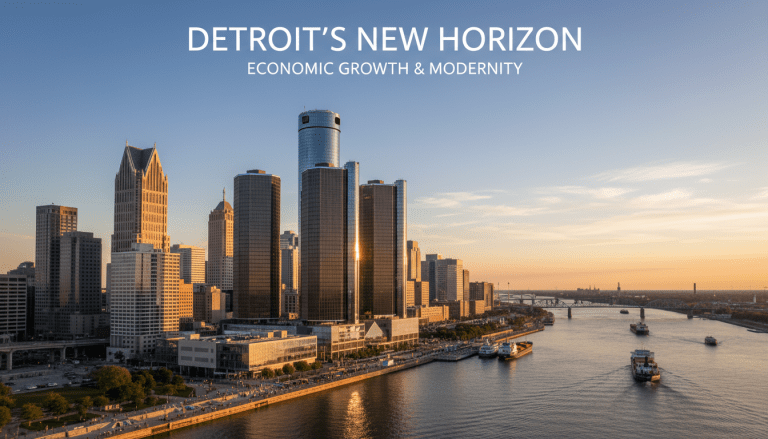

The landscape of the Detroit job market is undergoing a significant transformation, moving beyond its historic reliance on traditional automotive assembly to embrace a more diversified economy rooted in electric vehicle (EV) technology, healthcare, and skilled trades. As the city continues its revitalization efforts into 2025, economic indicators suggest a resilient yet shifting environment for job seekers and employers alike.
While the broader national economy has faced headwinds, Detroit has maintained a focus on localized growth strategies. According to recent forecasts from the University of Michigan’s Research Seminar in Quantitative Economics, the city is positioned for steady employment gains, driven largely by major infrastructure projects and the tech-forward pivot of the region’s legacy automakers.
However, the narrative is not just about the number of jobs available, but the nature of the work itself. With billions of dollars flowing into development projects like the Hudson’s site and the Michigan Central innovation district, the demand for specialized skills has never been higher, prompting a citywide urgency to close the skills gap for long-time residents.
The Shift from Assembly to Innovation
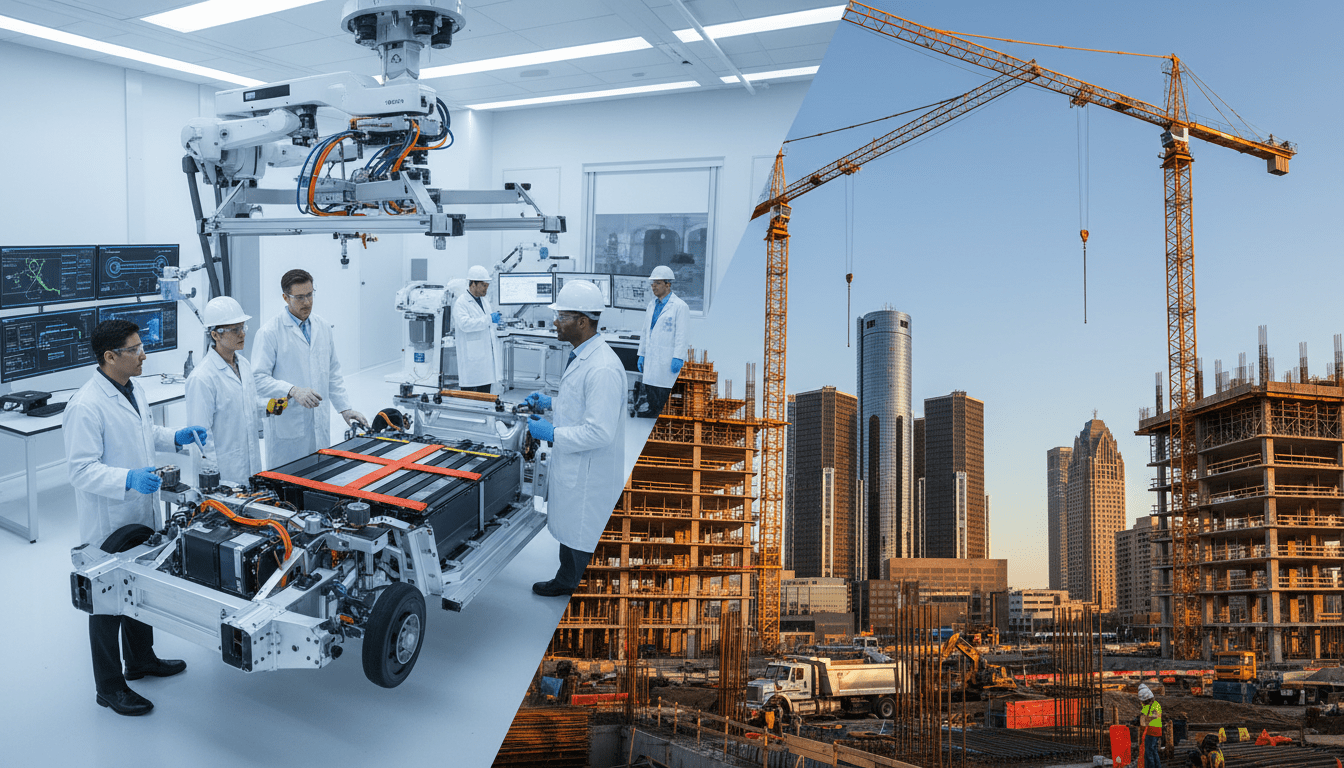
For decades, the automotive sector was the singular barometer for the Detroit job market. Today, while still the backbone of the region, the industry is driving a new kind of employment. The transition to electrification by Ford, General Motors, and Stellantis has created a surge in demand for software engineers, battery technicians, and systems integrators.
“The definition of an auto job in Detroit has fundamentally changed,” noted an economic analyst from the Detroit Regional Chamber. “We are seeing a migration of talent that rivals traditional tech hubs, specifically within mobility and clean energy sectors.”
This evolution is epitomized by the reopening of Michigan Central Station in Corktown. Ford’s restoration of the historic depot is not merely a real estate triumph; it serves as an anchor for a mobility innovation district expected to house thousands of workers. This hub is attracting startups and venture capital, diversifying the local economy and insulating it somewhat from the cyclical nature of manufacturing.
Construction and Skilled Trades Boom
Perhaps the most visible sign of job creation in Detroit is the skyline itself. A robust pipeline of commercial and residential real estate developments has triggered an acute demand for skilled tradespeople. From electricians and plumbers to heavy equipment operators, construction firms are actively recruiting to meet project deadlines.
Data from the U.S. Bureau of Labor Statistics indicates that the construction and mining sector in the Detroit-Warren-Dearborn area has seen consistent year-over-year growth. The scramble for talent has led to increased wages in these sectors, often outpacing inflation, which serves as a boon for local workers possessing the necessary certifications.
Major projects contributing to this hiring spree include the continued development of the District Detroit, the University of Michigan Center for Innovation, and ongoing residential infill across various neighborhoods. These projects ensure a steady stream of employment for the foreseeable future, well beyond the initial construction phases.
Impact on Detroit Residents: Bridging the Gap
Despite the influx of high-tech roles and construction contracts, a critical question remains: Are Detroit residents getting these jobs? The city government has made this a central policy focus, acknowledging that revitalization must benefit those who stayed during the city’s hardest times.
The “Detroit at Work” program, a workforce development initiative by the city, reports placing thousands of Detroiters into employment and training programs annually. The initiative focuses on removing barriers to entry—such as transportation issues or lack of specific credentials—that have historically kept the labor participation rate lower than the national average.
“Our priority is ensuring that when a company comes to Detroit, they hire Detroiters,” Mayor Mike Duggan has emphasized in recent addresses regarding workforce development. “We are providing the training infrastructure so that our residents are the first in line for these new opportunities.”
Local residents are feeling the impact of these programs, particularly in the healthcare and manufacturing sectors. Training partnerships with major health systems like Henry Ford Health and Corewell Health have created pathways for entry-level workers to advance into higher-paying clinical and administrative roles.
Challenges Remaining in the Labor Market
While the trajectory is positive, the Detroit job market is not without its hurdles. The labor participation rate in the city, while improving, still trails behind suburban counterparts. Economists point to a “skills mismatch” as a primary friction point. The jobs being created often require specific technical literacy or certifications that a portion of the available workforce lacks.
Furthermore, small business owners across the city report difficulties in retention. As large corporations raise wages to attract talent, local restaurants, retailers, and boutique service providers struggle to compete for staff. This dynamic forces smaller enterprises to innovate their benefits packages or operate with leaner teams.
According to federal data, the unemployment rate in Detroit has hovered near historic lows over the past 18 months, a stark contrast to the double-digit figures seen a decade ago. However, maintaining this momentum requires continuous investment in education and transportation infrastructure to connect workers from neighborhoods to job centers.
Future Outlook: Diversification and Resilience
Looking ahead, the forecast for Detroit’s economy is cautiously optimistic. The diversification into fintech, fueled by companies like Rocket Companies, and the expanding footprint of the healthcare sector provide a buffer against automotive downturns. Additionally, the city’s growing reputation as a cultural and culinary destination is bolstering the hospitality industry, creating service-level jobs that are vital for a vibrant downtown.
For job seekers, the message is clear: upskilling is the key to stability. The opportunities in Detroit are increasingly technical and specialized. Whether it is learning to service electric vehicle infrastructure or mastering modern construction techniques, the path to economic security in the city runs through education and vocational training.
As the city continues to court international investment and nurture local startups, the Detroit job market stands as a testament to resilience, offering a blueprint for how post-industrial cities can reinvent their workforce for the 21st century.