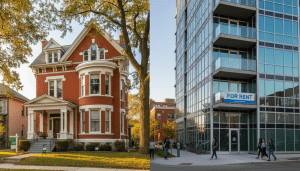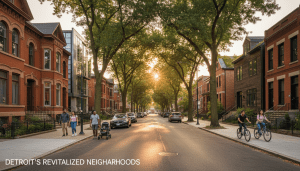
For over a decade, the inventory of Detroit Land Bank properties has served as both a symbol of the city’s economic challenges and its greatest opportunity for revitalization. As 2024 progresses, the narrative surrounding these structures is shifting decisively from blight removal to strategic redevelopment, creating new pathways for homeownership in neighborhoods that had long seen stagnation.
The Detroit Land Bank Authority (DLBA), which manages the city’s inventory of vacant residential and commercial structures, has reported a steady increase in compliance rates among buyers, suggesting that the speculative buying of the past is being replaced by genuine owner-occupancy and dedicated renovation efforts. This shift is reshaping the housing market in Detroit, offering an entry point for buyers priced out of the suburbs while simultaneously addressing the density issues that have plagued the city for years.
The Evolution of the Land Bank Strategy
Established to return blighted and vacant properties to productive use, the DLBA controls a significant portion of Detroit’s real estate. According to recent data released by the Detroit Land Bank Authority, the agency has successfully sold thousands of structures since its inception. However, the strategy has evolved significantly in the last two years.
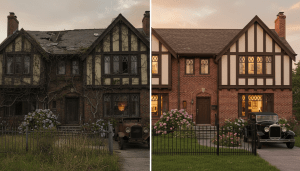
Initially, the focus was heavily weighted toward demolition—removing the worst eyesores to stabilize property values for neighbors. While demolition remains a tool for structures beyond repair, heavily supported by the voter-approved Proposal N, the current emphasis is on “preservation.”
“The goal is no longer just to clear the land, but to rebuild the neighborhood fabric,” said a spokesperson for the City of Detroit housing department during a recent community briefing. “Every home we can save is a home that stabilizes a block.”
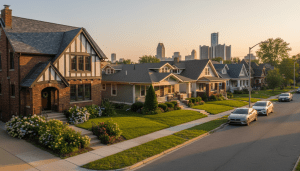
This pivot is evident in the types of properties hitting the auction block. Many Detroit Land Bank properties listed today are in “stabilized” zones—neighborhoods like Bagley, Fitzgerald, and East English Village—where the market can support the high cost of renovation.
Understanding the Renovation Reality
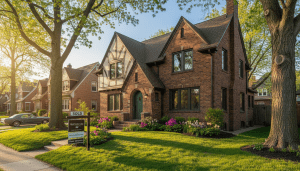
For potential investors and homebuyers, the allure of a $1,000 house remains the headline, but the reality is far more complex. Purchasing a property from the Land Bank comes with strict compliance agreements. Buyers are generally required to bring the property up to code and have it occupied within six to nine months.
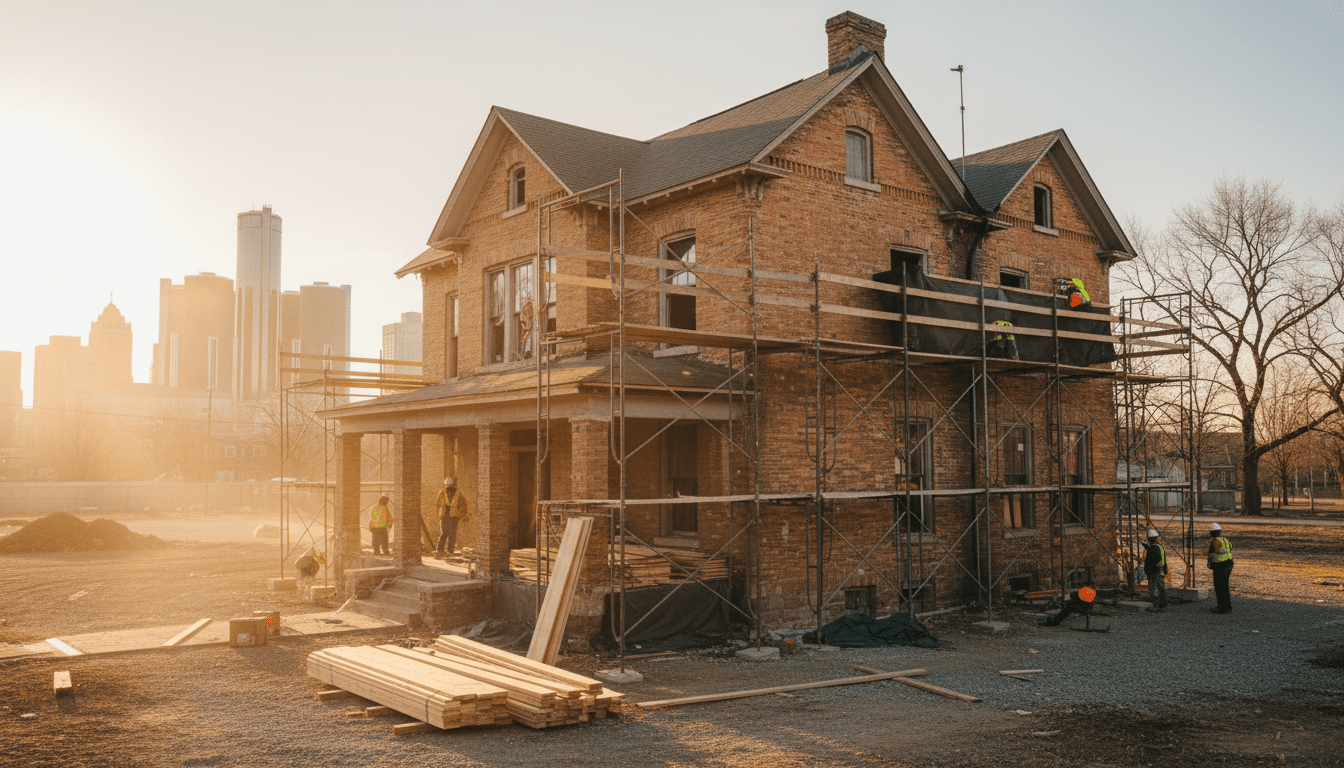
Local contractors estimate that the cost to rehabilitate a standard 1,500-square-foot brick Tudor in Detroit can range from $50,000 to well over $150,000, depending on the state of the mechanical systems and the roof. This economic reality has fostered a new ecosystem of financing specifically designed for these projects, such as the Detroit Home Mortgage program and rehabilitation loans offered by local community development financial institutions (CDFIs).
Despite the costs, the math is beginning to work in more neighborhoods. As property values in Detroit continue to rise, the appraisal gap—the difference between the cost to renovate and the final value of the home—is closing. This makes financing Detroit Land Bank properties easier for traditional lenders who were previously hesitant to write mortgages in the city.
Impact on Detroit Residents
The redevelopment of land bank inventory has a direct and tangible impact on long-time Detroit residents. For decades, those who stayed in the city dealt with the negative externalities of vacancy: illegal dumping, squatters, and fire hazards. The activation of these properties solves immediate safety concerns.
However, the influx of development also brings concerns regarding tax assessments and gentrification. As Detroit neighborhoods see renewed interest, existing residents often fear that rising property values will lead to unsustainable property tax increases. The City of Detroit has attempted to mitigate this through the Homeowners Property Exemption (HOPE) and other tax relief programs, but anxiety remains in rapidly appreciating areas like Corktown and North End.
Local community groups have emphasized that the Land Bank’s “neighbors first” policies are crucial. These programs give people living adjacent to a vacant lot or structure the first right of refusal to purchase the property, often for as little as $100 for a side lot. This allows residents to expand their yards, build garages, or simply control the land next to them, effectively building wealth for those who weathered the city’s hardest times.
Data Trends and Market Shifts
Data from the U.S. Census Bureau and local real estate trackers indicate that Detroit’s vacancy rate is dropping, albeit slowly. The conversion of DLBA inventory is a major contributor to this trend. In 2024, the volume of “Own It Now” bundles—packages of properties often sold to investors—has decreased in favor of individual home sales aimed at owner-occupants.
This shift is vital for neighborhood stability. Owner-occupants are statistically more likely to maintain their properties and participate in local civic life compared to absentee landlords. The DLBA has strengthened its vetting process to ensure that buyers have the financial capacity to complete renovations, reducing the number of properties that cycle back into the Land Bank’s possession after a failed rehab attempt.
The Commercial Corridor Connection
It is not just residential homes being targeted. The Land Bank also holds commercial inventory that is critical for the city’s “20-minute neighborhood” strategy. By bundling commercial properties with residential strategies, the city hopes to revive local main streets.
For more on the business side of this equation, readers can look at how small business grants are fueling commercial redevelopment in these same zones. When a Land Bank commercial property is renovated, it often serves as an anchor, increasing the desirability of the surrounding residential streets.
What Happens Next
Looking ahead, the inventory of salvageable structures will eventually deplete. The DLBA is already planning for a future where its primary role shifts from sales to land management and green space creation. With thousands of vacant lots created by demolition, the next frontier for Detroit Land Bank properties will likely involve urban farming, green stormwater infrastructure, and new infill construction.
For now, however, the window of opportunity for renovation remains open. For residents and newcomers alike, the Land Bank represents a unique, albeit labor-intensive, path to homeownership that continues to define the city’s recovery narrative.