The sidewalks of Woodward Avenue have been crowded this year, and for once, the congestion isn’t solely driven by sporting events. According to recent data released by local tourism bureaus and venue operators, Detroit is experiencing a significant renaissance in its live entertainment sector. From sold-out stadium tours at Little Caesars Arena to the internationally acclaimed electronic beats of Movement Festival, the 2024 cultural calendar has become a primary engine for the city’s downtown economic revitalization.
While Detroit has long held the moniker of Motown, the current surge in live performance attendance suggests the city is solidifying its reputation as a premier Midwest destination for major touring acts. Industry analysts point to a combination of historic venue restoration and aggressive booking strategies that have placed Detroit back on the map for global artists who might have previously skipped the market in favor of Chicago or Toronto.
A Record-Breaking Year for Venues
Data from Pollstar and local venue reports indicate that ticket sales in the metro area are trending upward compared to pre-pandemic levels. The district managed by Ilitch Sports + Entertainment, which includes the Fox Theatre, Little Caesars Arena, and the fillmore, has reported robust attendance figures throughout the first three quarters of the year.
The variety of programming has been key to this success. It is not just about legacy rock bands; the city has seen a diverse influx of comedy giants, hip-hop tours, and pop superstars. Visit Detroit, the city’s convention and visitors bureau, has noted that major concert nights correlate directly with spikes in hotel occupancy rates, often exceeding 90% capacity in the central business district.
“The energy downtown is palpable on show nights,” reported a representative from the Downtown Detroit Partnership in a recent press briefing. “When you have a comedy show at the Masonic Temple, a concert at the Fox, and an event at Ford Field happening simultaneously, the economic ripple effect is massive.”
Impact on Detroit Residents and Small Businesses
For Detroit residents, the boom in live entertainment offers more than just a night out; it translates into tangible economic opportunities. Service industry jobs are in high demand to meet the influx of visitors. Restaurants in the Columbia Street entertainment district and surrounding neighborhoods like Corktown and Midtown report that dining reservations are often impossible to secure on evenings when major acts are in town.
Local business owners have observed a shift in consumer behavior. Patrons are arriving earlier and staying later, turning a two-hour concert into a six-hour experience that involves dining, parking, and post-show drinks. This extended dwell time is crucial for the sustainability of small businesses that rely on foot traffic.
However, the surge is not without its complications for locals. Residents in the Cass Corridor and Brush Park have raised concerns regarding traffic congestion and the rising cost of parking. City officials have acknowledged these friction points and are reportedly working on improved transit coordination, including optimizing the QLINE schedule and People Mover operations during peak event windows.
The Festival Economy: Beyond the Ticket
Detroit’s festival season has evolved into a global draw. The Movement Electronic Music Festival, held annually at Hart Plaza, continues to bring tens of thousands of international tourists to the riverfront. Similarly, the Detroit Jazz Festival remains the world’s largest free jazz festival, a logistical feat that underscores the city’s commitment to accessible culture.
According to economic impact studies from previous years, these multi-day festivals generate millions in direct spending. This year, the integration of local food vendors and artists into these festival footprints has helped circulate that revenue back into the immediate community rather than funneling it solely to outside promoters.
Furthermore, the comedy scene has seen a specific resurgence. With venues like the Detroit House of Comedy finding a permanent home in the city, the circuit for stand-up comedians has strengthened. What was once a sporadic stop for touring comedians has become a regular residency hub, further diversifying the nightlife options available to residents.
Restoring History for Modern Audiences
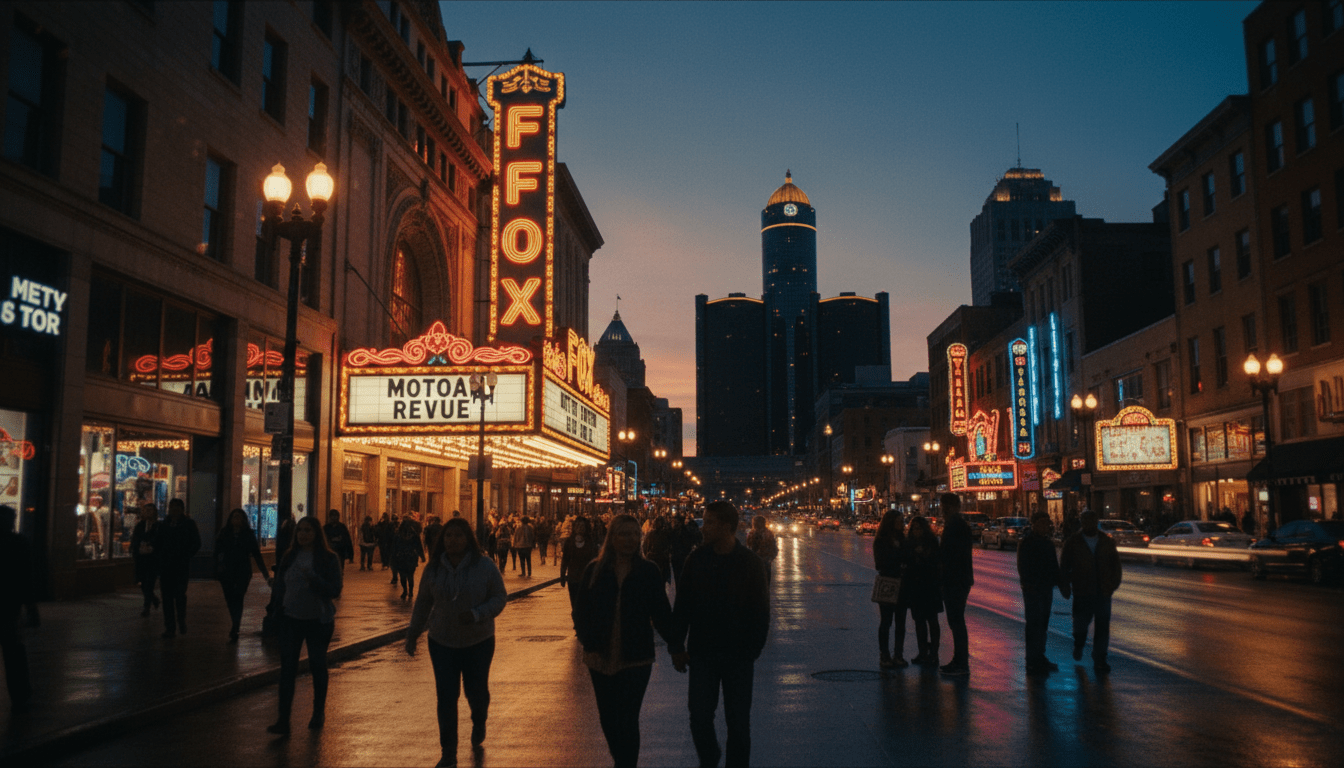
A significant factor in Detroit’s appeal is the venues themselves. Unlike cities relying solely on modern, sterile arenas, Detroit leverages its architectural heritage. The Fox Theatre, often cited as one of the most beautiful venues in North America, provides a backdrop that enhances the audience experience.
More recently, the reopening of Michigan Central Station has added a new dimension to the city’s cultural landscape. The massive concert event celebrating its restoration demonstrated the city’s capability to host high-profile, broadcast-quality events. You can read more about the impact of infrastructure projects in our coverage of Detroit downtown development projects.
The preservation of these spaces ensures that the Detroit live entertainment ecosystem remains unique. “Artists want to play rooms with soul,” a local promoter noted during a panel on Midwest touring. “Detroit has that in spades, from Saint Andrew’s Hall to the Masonic.”
What Happens Next: The 2025 Outlook
Looking ahead, the momentum shows few signs of slowing. Early tour announcements for 2025 suggest another aggressive year of bookings. The focus is now shifting toward sustainability and infrastructure. City planners are looking at ways to better connect the various entertainment districts—The District Detroit, Greektown, and the Riverfront—to create a seamless experience for pedestrians.
For a deeper look at how local commerce is adapting to these trends, check out our local business spotlight on restaurant adaptation strategies. As the city prepares for the next wave of visitors, the consensus among stakeholders is clear: Detroit is not just a stopover; it is a destination.