
By Sarah Jenkins, Automotive Correspondent
Published: October 24, 2023
Location: Detroit, Michigan
Michigan Central Rebirth Anchors New Detroit Mobility Hub Strategy
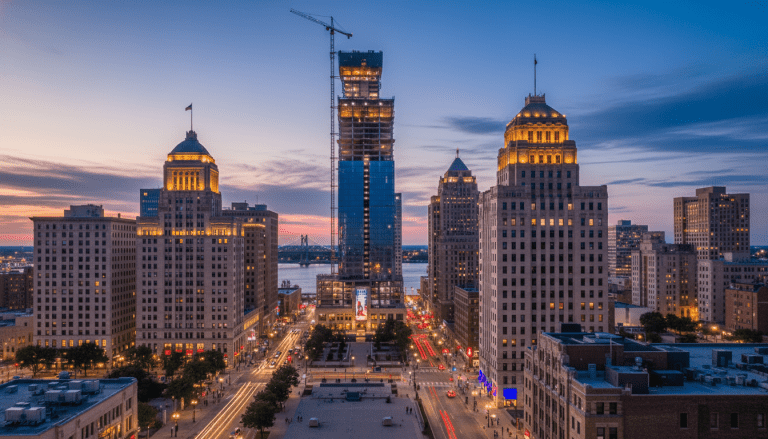
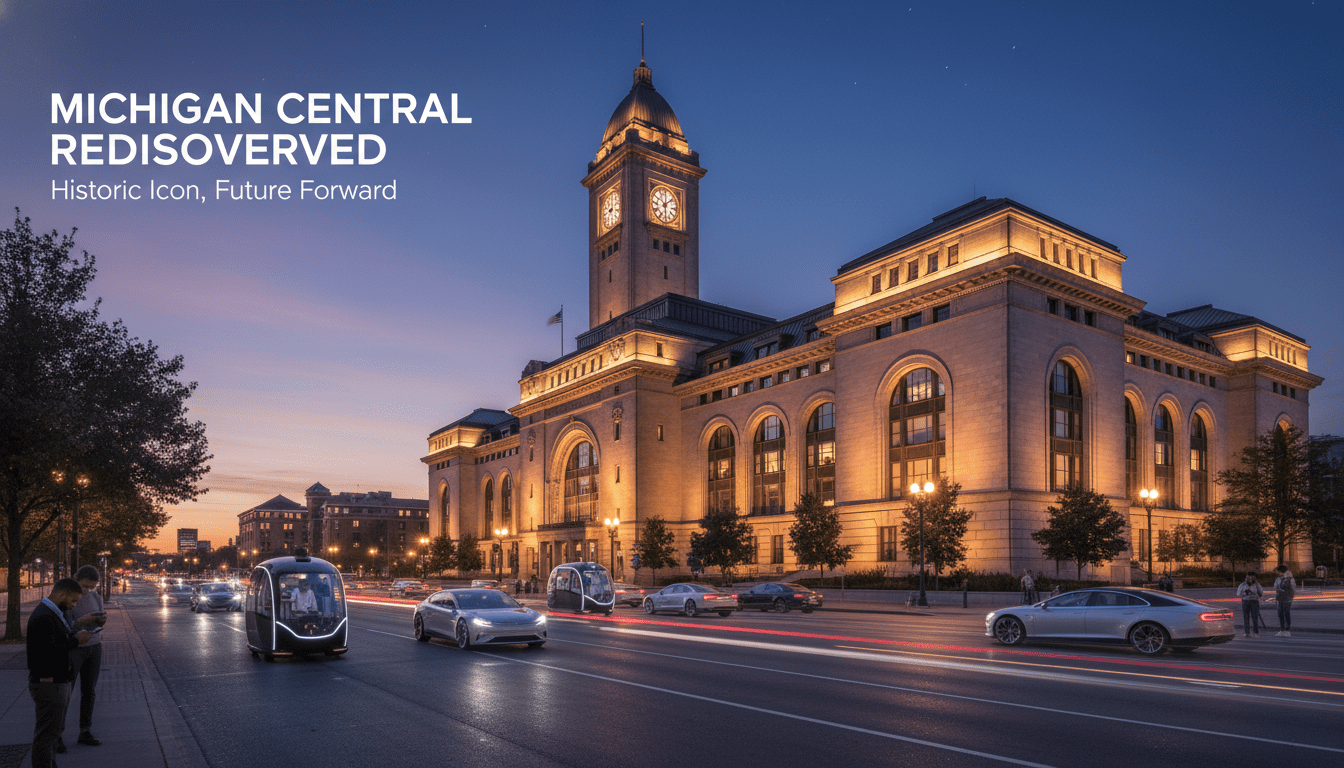
The transformation of Detroit from the traditional Motor City into a global center for advanced transportation technology has reached a pivotal milestone. With the extensive restoration of Michigan Central Station now serving as a physical anchor, the surrounding district is rapidly evolving into a dedicated Detroit mobility hub designed to attract startups, venture capital, and tech talent.
While the automotive industry faces headwinds regarding the pace of electric vehicle (EV) adoption, Detroit’s strategy has pivoted toward a broader definition of mobility. This approach includes autonomous driving systems, drone technology, and connected infrastructure, all centered around the Corktown campus spearheaded by Ford Motor Company.
The Shift to a Tech-First Automotive Sector
The reopening of the station is more than a preservation success story; it represents a functional shift in how the region approaches the automotive business. According to data from the Michigan Economic Development Corporation (MEDC), the state has secured more than $16 billion in electric vehicle and battery manufacturing investments since 2019. However, the focus at Michigan Central is less on assembly lines and more on code and sensors.
“The goal is to create a density of innovation,” said a spokesperson for Newlab, the innovation center located adjacent to the station. “Startups here aren’t just building cars; they are solving complex logistics and electrification challenges that impact cities globally.”
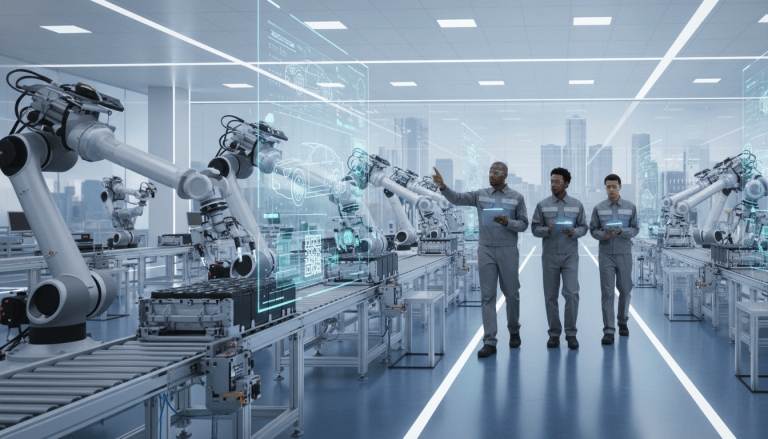
This concentration of resources is crucial as legacy automakers compete with Silicon Valley giants. By physically clustering software engineers with hardware manufacturers, the Detroit mobility hub aims to reduce the development time for new technologies.
Impact on Detroit Residents
For decades, major automotive developments often felt disconnected from the daily lives of Detroiters. City officials and corporate partners are attempting to change that narrative with the Michigan Central district. The development includes requirements for local hiring and job training programs specifically designed for Detroit residents.
Locals in Corktown and Southwest Detroit are seeing immediate changes in infrastructure. As part of the mobility district’s testing phase, smart traffic signals and connected street lights are being deployed. While these technologies assist autonomous vehicle testing, they also aim to improve pedestrian safety and traffic flow for residents.
However, the rapid development brings concerns regarding housing affordability. Rising real estate prices in Corktown have prompted the city to enforce strict affordable housing mandates within the district to ensure long-time residents are not displaced by the influx of tech workers.
Background & Market Data
The push for a tech-centric automotive sector comes at a volatile time. Recent reports from the U.S. Bureau of Labor Statistics indicate that while traditional assembly jobs are stabilizing, demand for mechatronics and software engineering roles in Southeast Michigan has surged by 15% year-over-year. This aligns with the industry’s pivot toward software-defined vehicles.
Ford Motor Company executive chairman Bill Ford has previously stated that the future of the company—and the industry—relies on the ability to attract talent that might otherwise go to the West Coast. The campus is the physical manifestation of that recruitment strategy.
What Happens Next
Looking ahead to 2025, the Detroit mobility hub is expected to host over 5,000 workers. The next phase of development involves the “inductive charging” pilot, where a stretch of 14th Street will be equipped with technology to charge EVs wirelessly as they drive over it.
For the local economy, the success of this district is a litmus test. If Detroit can successfully transition from building engines to building mobility ecosystems, it will secure its economic relevance for the next century. For more on local business impacts, visit our Detroit business section.