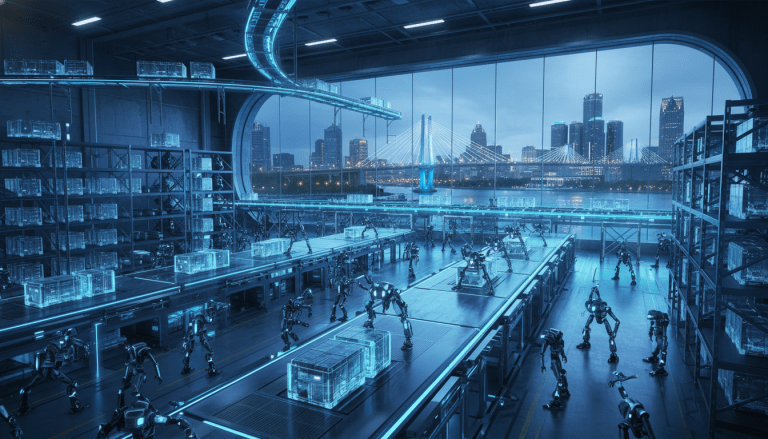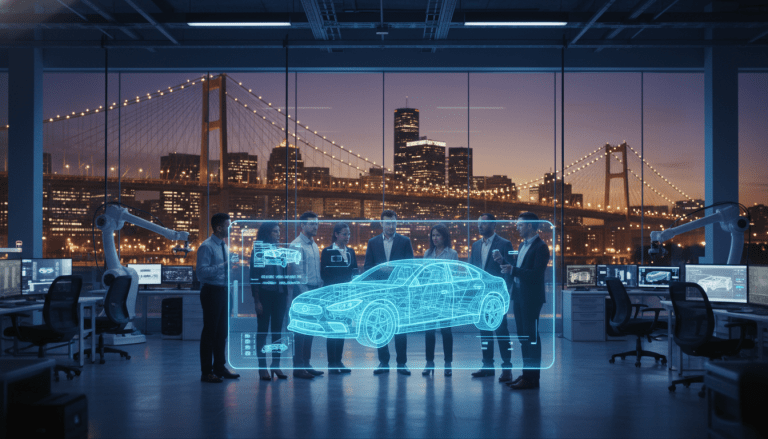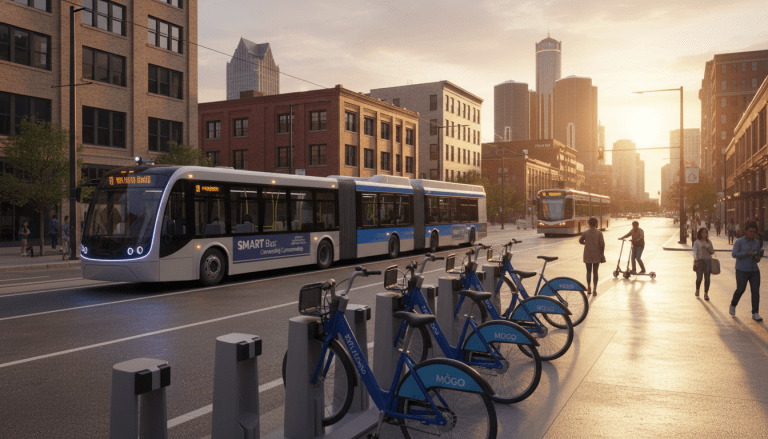

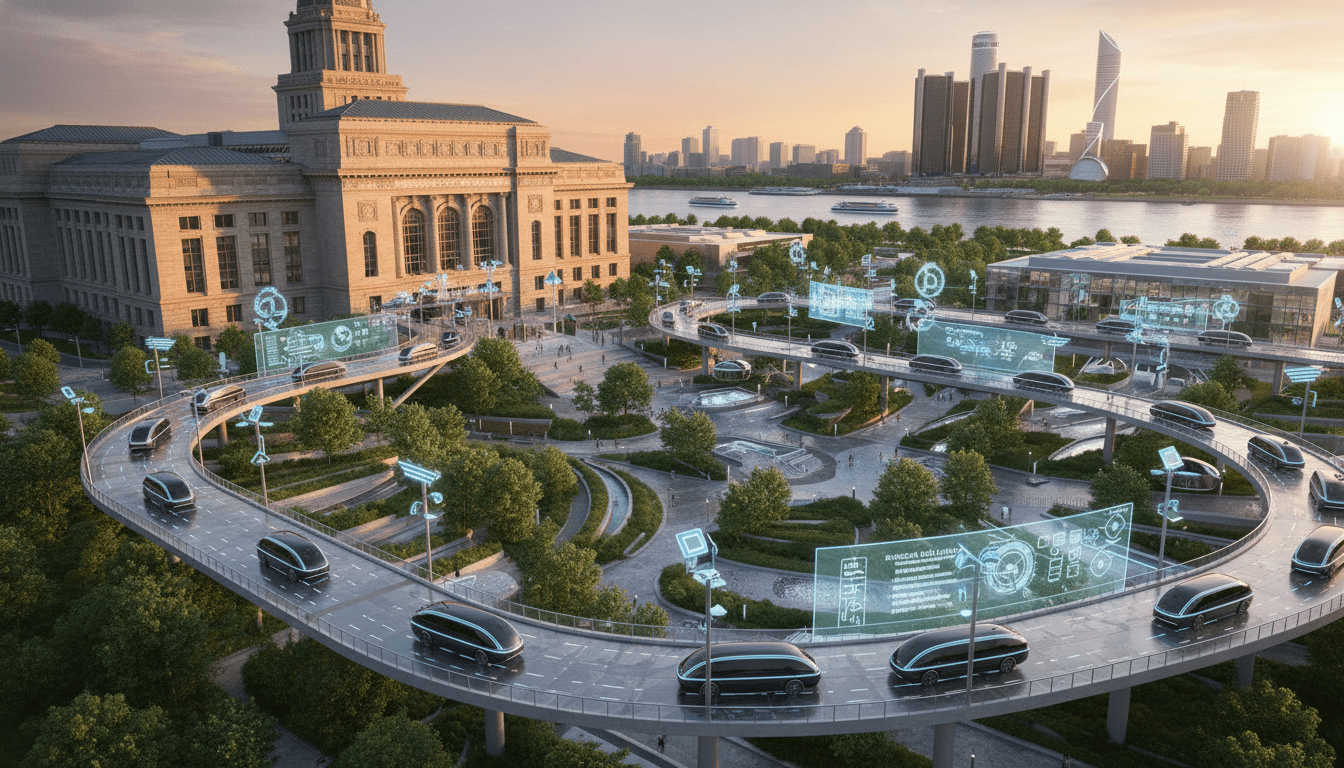
Detroit is rapidly evolving from the traditional automotive capital of the world into a premier destination for Detroit mobility innovation. With the recent activation of the Michigan Central district and the continued expansion of autonomous vehicle testing corridors, the city is witnessing the formation of distinct innovation clusters designed to secure its economic future.
For decades, the narrative surrounding Detroit focused on manufacturing might. Today, that narrative is shifting toward software, sensors, and electrification. State and local leaders, in partnership with major private stakeholders like Ford Motor Company and Bedrock, are betting that these concentrated zones of technology—known as innovation clusters—will attract global talent and venture capital while revitalizing historic neighborhoods.
The Rise of the Michigan Central District
The centerpiece of this strategy is undoubtedly the Michigan Central district in Corktown. Anchored by the restored train station, this 30-acre campus has been designated as a testing ground for real-world mobility solutions. According to Michigan Central, the district has already attracted over 100 startups, many of which are housed within Newlab, a collaborative workspace dedicated to deep tech and engineering.
Officials emphasize that this is not merely an office park but an open platform for collaboration. By clustering startups, established automakers, and academic institutions in a walkable district, the city hopes to accelerate the pace of Detroit mobility innovation. The concept relies on distinct synergies; a battery startup might prototype a product in the morning and test it on a drone or an electric delivery van in the afternoon, all within the same few blocks.
“The density of talent and infrastructure we are building here is unique in North America,” said a spokesperson for the project during a recent media tour. “We aren’t just simulating environments; we are integrating technology into the living fabric of the city.”
Beyond Corktown: A Network of Innovation
While Corktown grabs headlines, other clusters are emerging. The Detroit Smart Parking Lab, located in the Garage at 5050, represents a collaboration between Bedrock, Ford, and Bosch. This facility allows companies to test automated valet parking and EV charging solutions in a controlled, realistic environment.
Furthermore, the University of Michigan remains a key player with its developing Detroit Center for Innovation. This upcoming academic and research center aims to provide the pipeline of computer science and engineering talent necessary to sustain these clusters. Data from the Detroit Regional Chamber suggests that demand for tech-focused roles in Southeast Michigan has outpaced the national average over the last two years, driving the need for such localized training hubs.
The connectivity between these clusters is also being addressed. The deployment of the nation’s first wireless charging public roadway on 14th Street stands as a testament to the city’s willingness to experiment with infrastructure. This pilot program allows electric vehicles equipped with compatible receivers to charge while driving, a technology that could revolutionize public transit and logistics.
Impact on Detroit Residents
A critical question for many locals is how these high-tech developments impact the average Detroiter. Critics often point to the risk of gentrification and the widening gap between tech workers and long-time residents. However, city officials and developers argue that the strategy is inclusive by design.
To bridge the gap, several workforce training programs have been launched specifically to prepare Detroiters for the new economy. Initiatives like the Google Code Next lab and various trade apprenticeships are integrated into these innovation districts. The goal is to ensure that the jobs created—ranging from coding to advanced manufacturing and equipment maintenance—are accessible to those living in the surrounding neighborhoods.
Local business owners are also seeing a ripple effect. “The influx of engineers and entrepreneurs has increased foot traffic significantly,” noted a restaurant owner in Corktown. “We are seeing lunch rushes that we haven’t seen in years, and these new workers are looking for local housing, which supports the broader Detroit real estate market.”
State and Federal Support Fuels Growth
The growth of Detroit mobility innovation clusters is heavily supported by the Michigan Economic Development Corporation (MEDC) through its Office of Future Mobility and Electrification. The state has prioritized grants and matching funds for companies that choose to pilot technologies in Detroit.
According to the MEDC, Michigan has attracted over $16 billion in electric vehicle and battery manufacturing investments since 2019. While much of the heavy manufacturing is located in the suburbs or other parts of the state, the intellectual property and R&D centers are increasingly gravitating toward Detroit’s urban core. This centralization allows for faster decision-making and closer proximity to legal, financial, and marketing resources.
Federal infrastructure funding has also played a role. Grants aimed at smart city technologies are being utilized to upgrade traffic signals and install sensors that communicate with connected vehicles, making Detroit one of the most “connected” cities in the United States regarding digital infrastructure.
The Road Ahead
As Detroit looks toward 2030, the vision is clear: to be the indisputable global capital of mobility. The competition is fierce, with cities like San Francisco, Tel Aviv, and Shanghai also vying for dominance. However, Detroit possesses a unique advantage—the ability to manufacture what it invents.
The convergence of legacy automotive expertise with cutting-edge software development creates a value proposition that is difficult to replicate. For the innovation clusters to succeed long-term, however, they must remain integrated with the city’s public transit needs and educational systems. If successful, these mobility districts could provide the economic engine the city has sought for decades, driving prosperity not just for major corporations, but for neighborhoods across the city.