
By Sarah Jenkins
Published: October 24, 2023
Location: Detroit, Michigan
Detroit Mobility Startups Fuel New Era of Innovation in Corktown
Detroit, long known as the historic heart of the global automotive industry, is rapidly transforming into a modern hub for next-generation transportation technology. A surging wave of Detroit mobility startups is taking root in the city’s oldest neighborhood, Corktown, signaling a shift from traditional manufacturing to high-tech innovation.
Anchored by the newly restored Michigan Central Station and the adjacent Newlab facility, the district has become a magnet for entrepreneurs focused on electrification, autonomy, and logistics. According to recent data from the Detroit Regional Partnership, the region is now home to over 400 mobility-focused companies, with a significant concentration forming within the city limits.
The Rise of the Innovation District
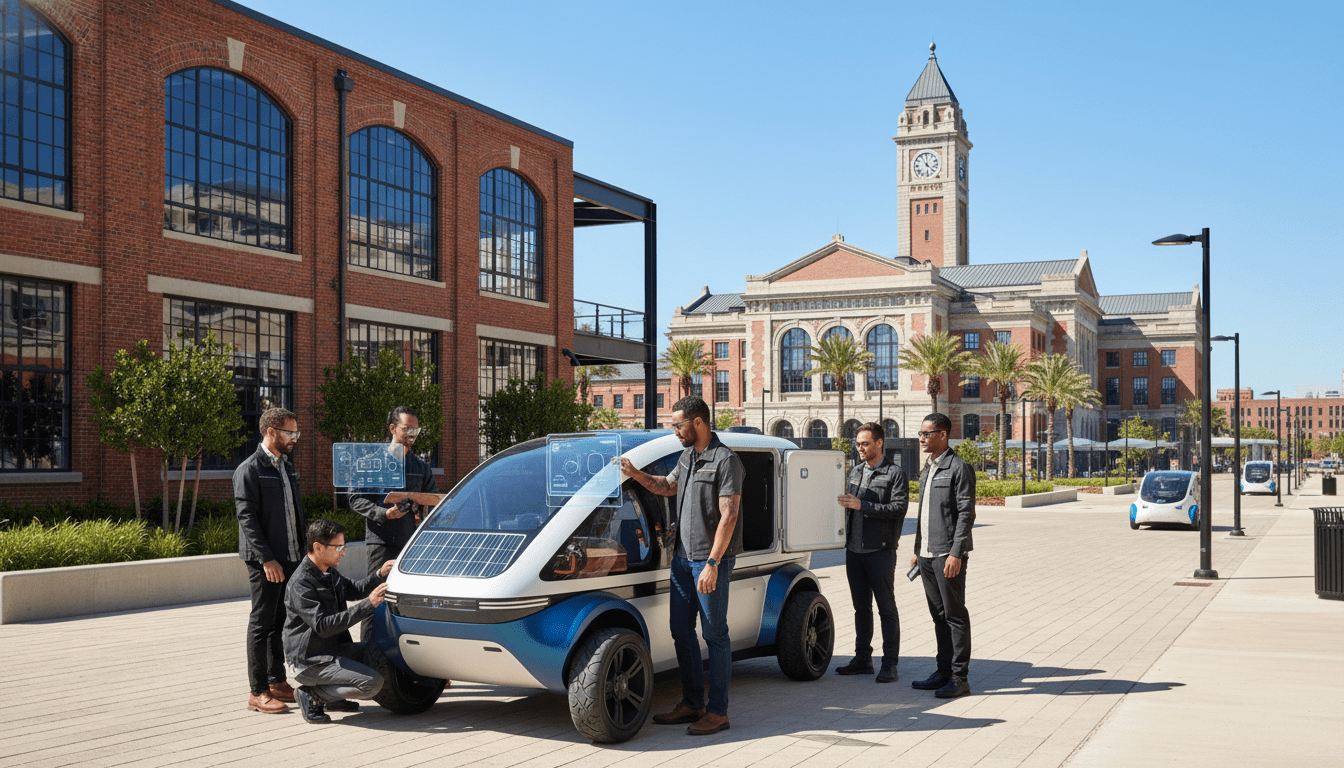
The transformation of the Michigan Central district represents more than just real estate development; it serves as a testing ground for real-world solutions. Newlab Detroit, located in the former Book Depository building, currently hosts over 100 startups. These companies are not merely writing code but are prototyping hardware that ranges from autonomous delivery droids to advanced electric vehicle (EV) charging infrastructure.
"What we are seeing is a convergence of legacy automotive expertise and agile startup culture," said a spokesperson for the Michigan Central innovation hub. "Companies come here because Detroit offers a unique supply chain and manufacturing know-how that Silicon Valley cannot replicate."
This ecosystem allows Detroit mobility startups to fast-track development. For example, local startups are utilizing the "transportation innovation zone" around the station to test automated technologies on public roads under controlled safety protocols.
Impact on Detroit Residents
For many Detroiters, the influx of tech companies raises questions about local benefits and accessibility. However, the focus of this new mobility wave extends beyond luxury vehicles. Several startups are specifically addressing gaps in public transit and last-mile connectivity, aiming to make transportation more accessible for residents in underserved neighborhoods.
Workforce development is a critical component of this growth. Programs linked to the innovation district are offering training in robotics, coding, and advanced manufacturing to local high school students and adult job seekers. By connecting the local workforce with emerging tech roles, the initiative seeks to prevent the talent displacement often seen in other tech hubs.
Additionally, the economic spillover is visible in Corktown’s hospitality sector, with local restaurants and small businesses reporting increased foot traffic from the growing workforce occupying the district.
Background & Data: The Capital Flow
The rise of Detroit mobility startups is supported by a robust influx of venture capital. While the Bay Area remains the leader in total tech investment, Detroit has seen a steady increase in seed and Series A funding for mobility-specific ventures.
According to a report by EntryPoint, a nonprofit research institution, Michigan’s venture capital ecosystem has grown significantly, with mobility-related tech comprising a large portion of the portfolio. This financial backing is crucial as startups move from the concept phase to mass production.
Major corporate partners, including Ford Motor Company and Google, have established a presence in the district to collaborate with these smaller entities. This symbiosis allows startups to scale their innovations while helping legacy automakers stay competitive in a rapidly changing market.
What Happens Next
Looking ahead to 2025, the density of startups in Detroit is expected to grow. The completion of the Michigan Central Station restoration has opened more office and collaborative spaces, inviting international companies to establish their North American headquarters in the city.
The challenge moving forward will be infrastructure scaling. As more electric commercial fleets and autonomous pilots launch, the city’s grid and road infrastructure will need to keep pace. However, with continued collaboration between city officials and the private sector, Detroit is well-positioned to redefine what it means to be the Motor City in the 21st century.
For more updates on the region’s economic shifts, follow our coverage on Detroit auto and business trends.