

By Sarah Jenkins
Published: October 24, 2025
Location: Detroit, Michigan
Detroit Mobility Startups Are fueling a High-Tech Renaissance in the Motor City
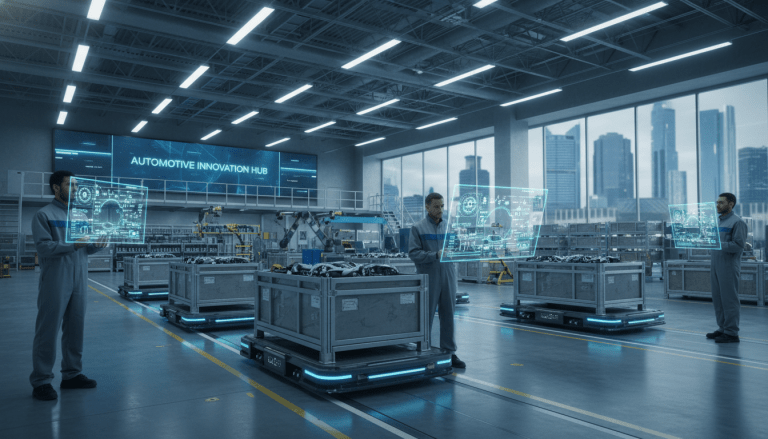
For decades, Detroit’s economic narrative was dominated almost exclusively by the "Big Three" automakers. However, a significant shift is underway in the heart of the Motor City. A surging wave of Detroit mobility startups is redefining the region, moving the focus from pure manufacturing to software, electrification, and autonomous technology.
As traditional assembly lines evolve, small, agile companies are setting up shop in revitalized hubs like Corktown, aiming to secure Detroit’s status not just as a manufacturing giant, but as a global leader in transportation innovation.
From Manufacturing to Mobility Innovation
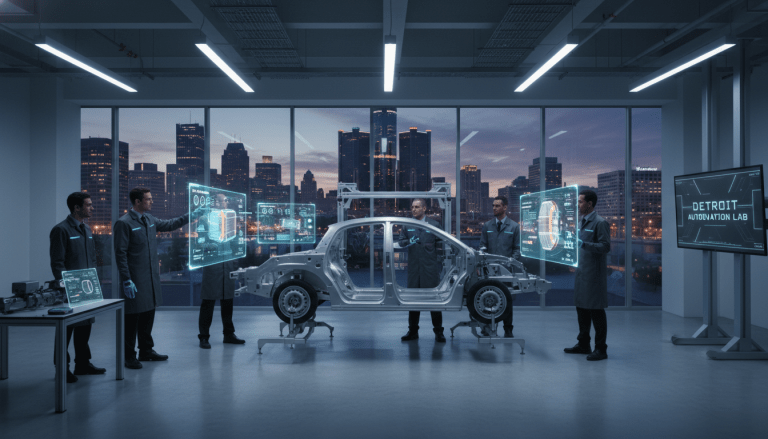
The transformation is most visible at the Michigan Central innovation district. Anchored by the restored train station, this area has become a magnet for early-stage companies. According to data from Newlab, which manages the innovation hub at Michigan Central, the facility is now home to over 100 startups, many of which moved to Detroit specifically to be near the automotive supply chain.
"The density of engineering talent in Southeast Michigan is unmatched," said a representative from the Detroit Regional Partnership during a recent industry roundtable. "What we are seeing now is that talent spinning out into entrepreneurship. These aren’t just car companies; they are energy, software, and infrastructure companies."
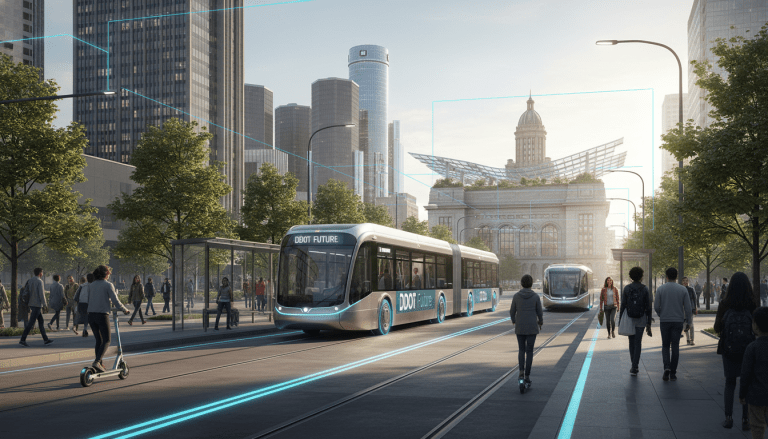
These Detroit mobility startups are tackling complex challenges ranging from EV battery efficiency to curb management software that helps cities handle delivery traffic. Unlike Silicon Valley, where software often reigns supreme, Detroit’s ecosystem offers the unique ability to prototype hardware, a critical advantage for the automotive sector.
Impact on Detroit Residents
For local residents, the rise of the startup ecosystem presents both opportunities and challenges. On one hand, the influx of venture-backed companies is diversifying the job market. Positions in data analysis, software engineering, and specialized manufacturing are becoming more available, offering alternatives to traditional factory roles.
Furthermore, this growth helps retain talent graduating from the University of Michigan and Michigan State University, who might otherwise leave for the coasts. Local economic reports suggest that for every high-tech job created, approximately four service-sector jobs are generated in the surrounding community, boosting local restaurants and service businesses.
However, workforce development remains a priority. City officials have emphasized the need to ensure that long-time Detroiters are not left behind. Programs like the Detroit at Work initiative are increasingly partnering with tech firms to offer upskilling opportunities, ensuring the benefits of this "mobility valley" reach neighborhood residents.
Background & Data: The Capital Flow
Investment capital, once scarce in the Midwest compared to coastal hubs, is flowing into Michigan at an accelerated rate. According to the Renaissance Venture Capital Fund, Michigan venture capital growth has outpaced many national averages over the last five years.
Key statistics highlight the trend:
- Investment Growth: Venture capital investment in Detroit-based startups has grown significantly since 2018.
- Sector Focus: Over 40% of recent venture funding in the region is directed toward mobility and energy transition technologies.
- Relocation: Approximately 20% of the startups at Michigan Central originated outside of Michigan, signaling an inward migration of business.
This data suggests that investors view Detroit mobility startups as a safe bet for the future of transportation, particularly as federal incentives for electric vehicle production ramp up.
What Happens Next
Looking ahead to 2026, the integration between legacy automakers and new startups is expected to deepen. Ford, General Motors, and Stellantis are increasingly acquiring or partnering with local startups to accelerate their own software capabilities.
For Detroit, the continued success of these ventures could mean a more resilient economy, less susceptible to the cyclical nature of traditional manufacturing. As the lines between tech and automotive blur, Detroit’s development landscape continues to evolve to accommodate this new class of industrial innovators.