
By Sarah Jenkins
Published: October 24, 2023
Location: Detroit, Michigan
Transforming the Motor City: Inside Detroit’s Mobility Testing Corridors
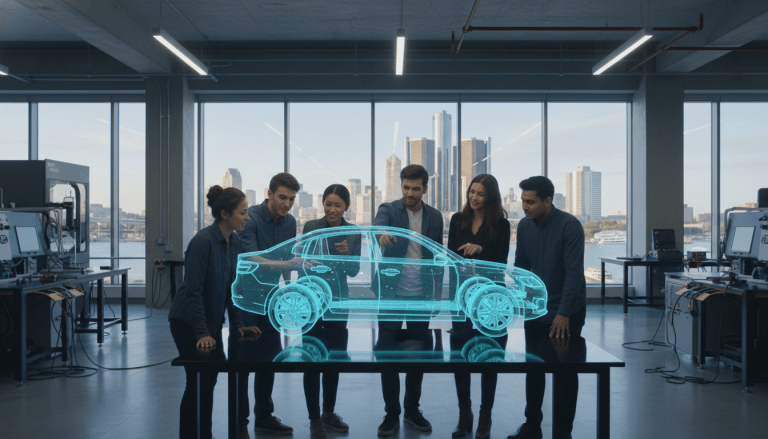
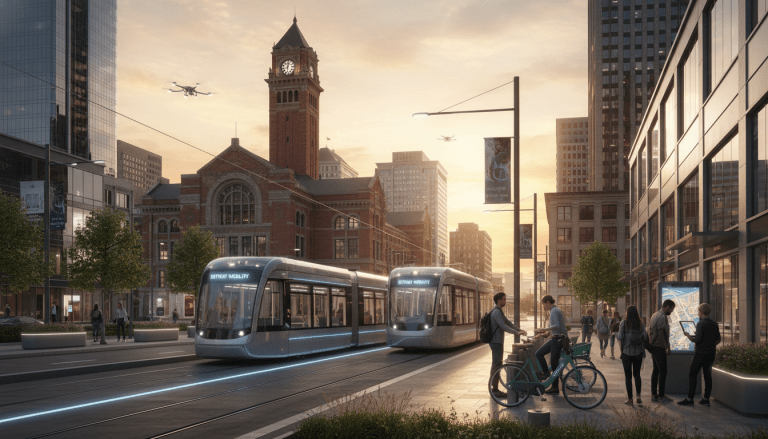
Detroit is rapidly evolving from the historic Motor City into a global capital for mobility innovation, transforming stretches of public roadways into high-tech laboratories. As automakers and tech giants race to perfect autonomous and connected vehicles, Detroit mobility testing corridors are becoming the critical proving grounds where the future of transportation is being written in real-time.
State agencies, in partnership with private developers and major automotive companies, have designated specific zones within the city and surrounding areas to test technologies that allow cars to “talk” to traffic lights, infrastructure, and each other. This shift represents a massive infrastructure investment aimed at securing Michigan’s dominance in the next century of automotive manufacturing.
The Hub of Innovation: Michigan Central and Beyond
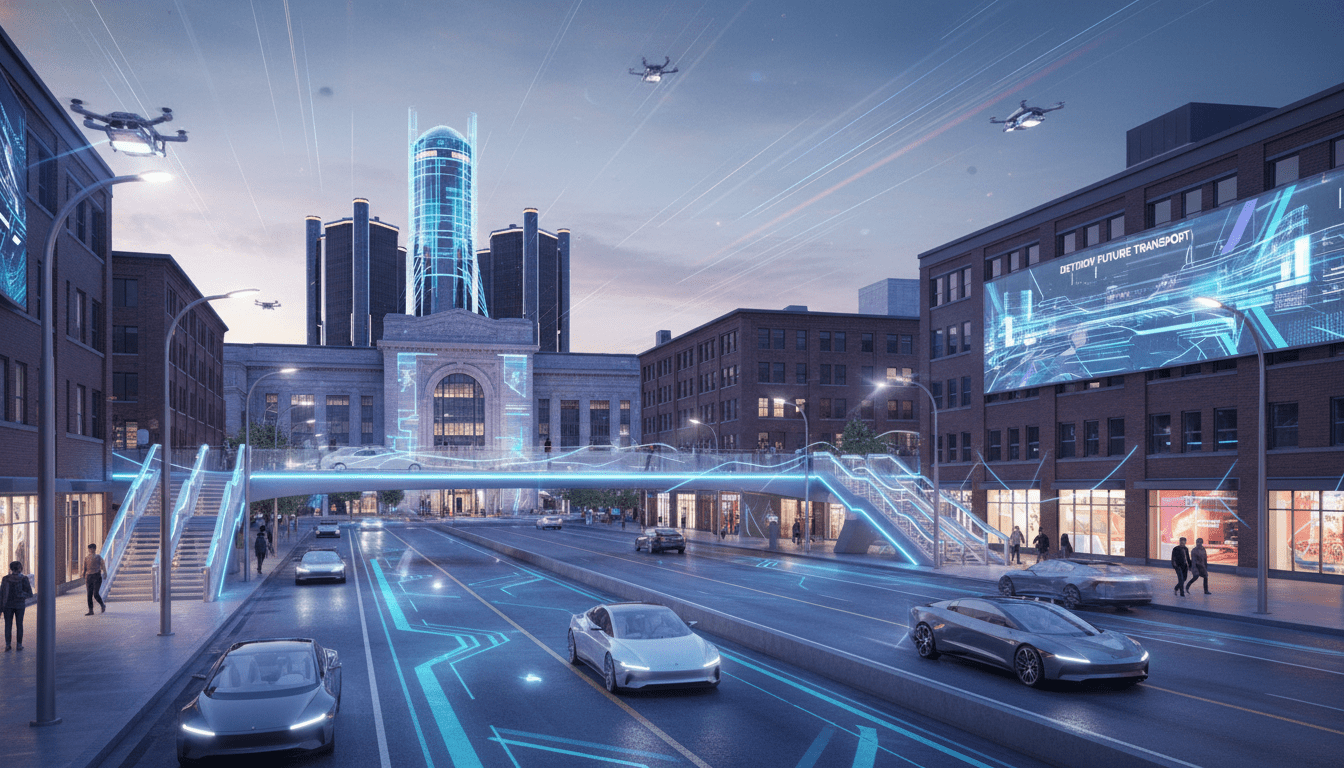
At the heart of this transformation is the Michigan Central innovation district in Corktown. Ford Motor Company’s restoration of the train station serves as the anchor for a broader mobility zone where real-world testing occurs.
One of the most significant developments in these Detroit mobility testing corridors is the implementation of inductive charging technology. Recently, a quarter-mile stretch of 14th Street became the nation’s first wireless charging public roadway. This pilot program allows electric vehicles equipped with receivers to charge while driving, a breakthrough that could eliminate range anxiety for future EV owners.
“The goal isn’t just to test cars, but to test the ecosystem,” said a spokesperson for the Michigan Department of Transportation (MDOT). “We are creating an environment where infrastructure and vehicles work together to improve safety and efficiency.”
Connecting Detroit to the Region
The innovation isn’t limited to city surface streets. The Connected and Automated Vehicle (CAV) corridor project aims to turn the I-94 stretch between Detroit and Ann Arbor into the world’s most sophisticated roadway for autonomous vehicles. This project involves installing sensors and dedicated lanes that facilitate communication between vehicles and the road, providing critical data on weather, traffic patterns, and road hazards instantaneously.
Impact on Detroit Residents
For locals, the rise of Detroit mobility testing corridors brings both promise and scrutiny. Proponents argue that these corridors will attract high-tech jobs, moving the region’s workforce beyond traditional assembly lines into software and engineering roles.
Furthermore, the technology being tested focuses heavily on safety. By enabling vehicles to communicate with traffic signals, the city hopes to reduce accidents at high-risk intersections. Better traffic flow management could also mean shorter commute times for residents navigating the city’s busiest arteries.
However, privacy and equity remain concerns. Community groups have engaged in discussions to ensure that the data collected in these corridors is used strictly for traffic and safety optimization, rather than surveillance. Additionally, ensuring that the benefits of this high-tech infrastructure extend to neighborhoods outside of the downtown and Corktown corridors remains a priority for city planners.
Background & Data
The push for these corridors is supported by significant data regarding the future of the auto industry. According to reports from the Michigan Economic Development Corporation (MEDC), the state has invested millions to maintain its status as the leader in mobility testing. Michigan currently leads the U.S. in mobility-related patents and is home to the highest concentration of engineering talent in the nation.
The wireless charging pilot on 14th Street is a collaboration involving MDOT, the City of Detroit, and Electreon, a provider of wireless charging solutions. Early data from the pilot suggests that the technology functions effectively in various weather conditions, including snow—a crucial factor for Michigan drivers.
What Happens Next
As 2025 approaches, the scope of these testing zones is expected to expand. City officials are reviewing plans to integrate more smart intersections across Detroit, utilizing the learnings from the current pilot zones.
The success of these Detroit business and infrastructure projects could set the standard for smart cities globally. If the technology proves scalable, the sensors and smart pavement currently being tested in Corktown could eventually become standard features on highways across America.
For now, Detroit residents share the road with the future, driving alongside the very technology that will define the next generation of movement.